
New sensations in Hanoi life
One evening by Hoan Kiem Lake, a symphony resonated in a space usually filled with the sounds of strolling through the streets. At the Octagonal House, the outdoor concert "Crescendo – Connecting Symphony," part of the 2026 Crescendo International Music Festival, brought an art form typically associated with concert halls closer to the public in an open space. Everyone was able to be an audience member; this is how art naturally enters life.
Subsequently, the first Hanoi International Jazz Festival further expanded its approach. Beyond the performances, the festival included the exhibition “Jazz & Streets – Borderless Interchange,” telling the story of over a century of jazz through images, sounds, instruments, documents, and interactive experiences. From this, Hanoi created a narrative about cultural exchange, about how an art form traverses spaces and communities to shape new life.
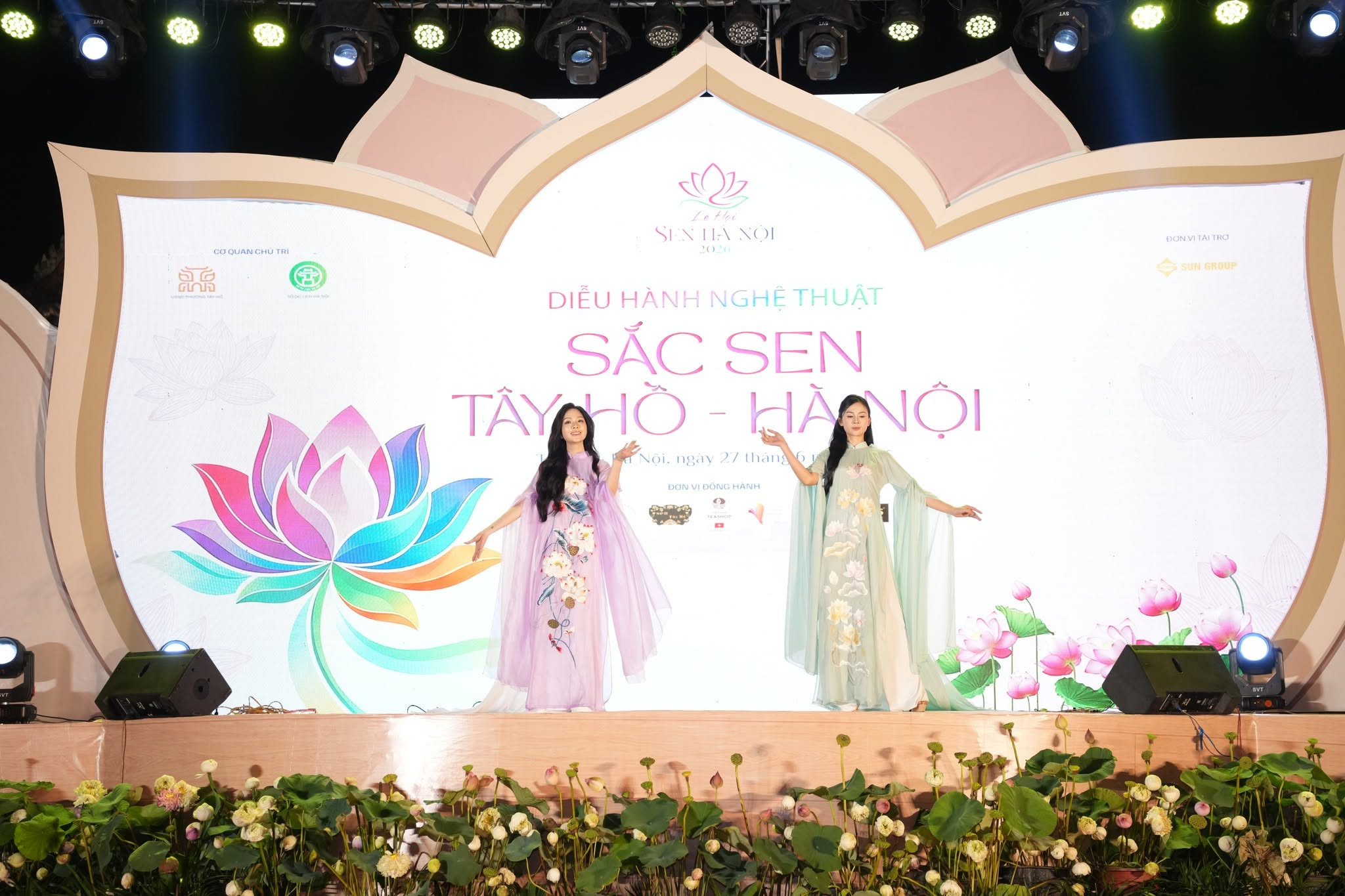
The renewed vitality of Hanoi's cultural life lies not only in music . The Hanoi Lotus Festival 2026 brings lotus flowers, West Lake, the Quang An lotus tea-making craft, art, handicrafts, and tourism into a single experiential space. The festival is also linked to the recognition of the Quang An lotus tea-making craft as a National Intangible Cultural Heritage and the announcement of the West Lake and surrounding areas as a tourist zone. Hanoi tells the story of its landscape, traditional crafts, culture, and its ability to create new tourism products, making this familiar flower a shared story full of responsibility for the city.
Held for the first time in Hanoi, the Hanoi International Martial Arts Festival 2026 demonstrates that sports can also be a language of culture. Approximately 2,000 martial arts masters, students, coaches, athletes, and artists from Vietnam and abroad participated, transforming a sporting event into a cultural exchange, promoting the image of Hanoi and the values of Vietnamese martial arts.
When the 2nd Thang Long - Hanoi Festival takes place in September 2026, heritage will continue to be retold. With the theme "Heritage Flow," the festival will last 10 days across various cultural and heritage spaces in the capital, featuring artists, artisans, and designers creating and connecting with tourism and contemporary life.
By early October, the second World Culture Festival in Hanoi in 2026 will expand its scope to an international level. Taking place at Thang Long Imperial Citadel with the participation of representatives from 50 countries, international organizations, and businesses, the festival contributes to making Hanoi a place where cultures meet, exchange ideas, and create new experiences.
This coming November, Hanoi will also host the 2026 Creative Design Festival. With the theme "Creative Economy ," the city is not only organizing a festival but also building the Hanoi Creative Space Network, connecting businesses, craft villages, artisans, designers, universities, and experts. 82 creative cultural spaces meeting the criteria have been announced to join the network, with spaces organized according to themes such as heritage, the old market, the future, ecology, and community.
The number of programs being organized is increasing, and the ways in which these events create experiences for the public are becoming more diverse. This is also when familiar spaces in Hanoi are filled with material for the city to tell new stories about itself.
To ensure that these new nuances still retain the "Hanoi essence".
Along with the expansion of creative activities comes the requirement to avoid losing identity. Associate Professor Pham Quynh Phuong, Head of the Department of Cultural Industry and Heritage, School of Interdisciplinary Sciences and Arts, Vietnam National University, Hanoi, believes that the core value of a creative space lies in the quality of cultural life, where people and ideas interact to create new creative values.
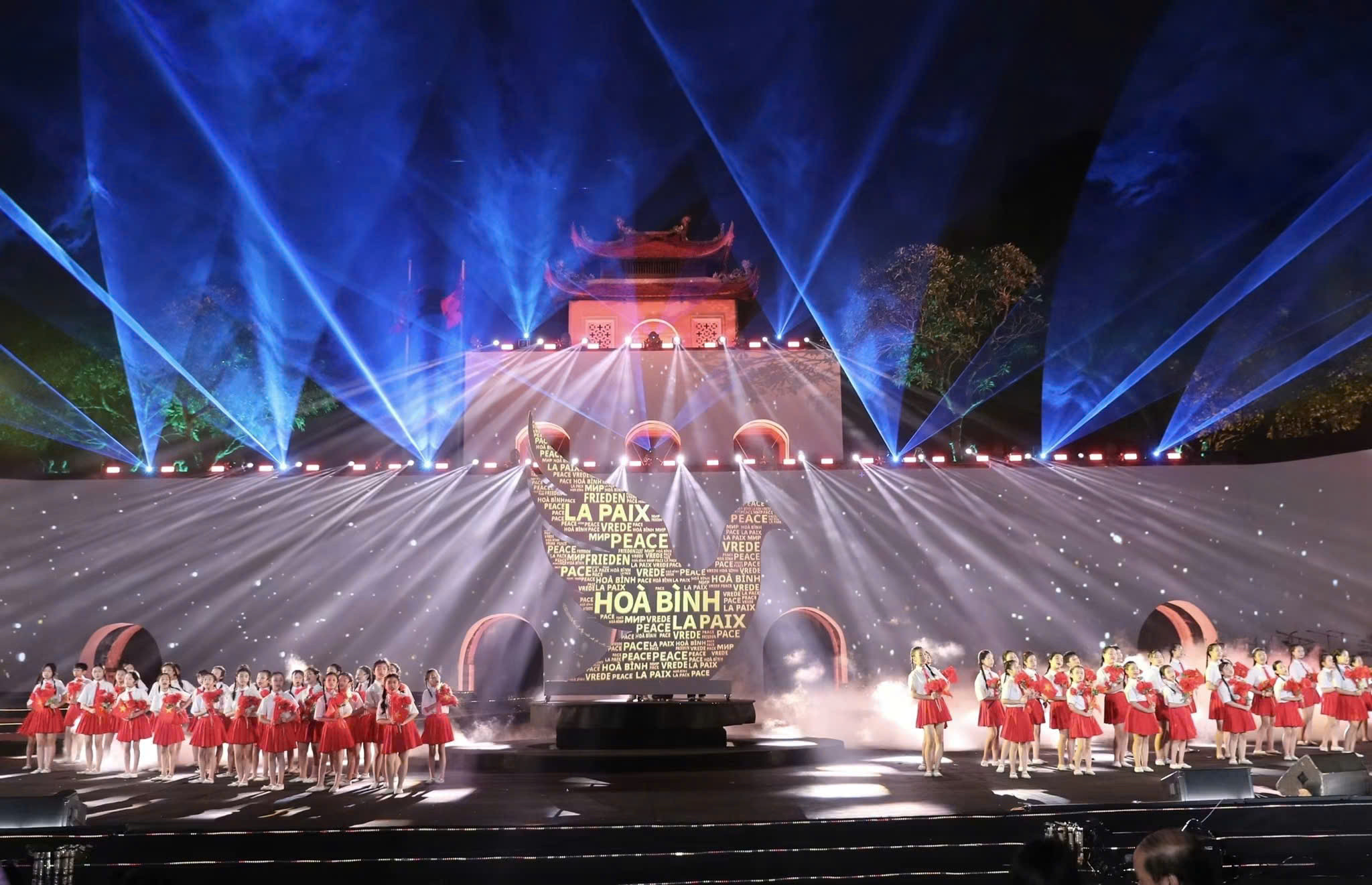
Therefore, creating a creative space means creating an environment where people can meet, exchange ideas, experiment, and collaboratively create new products from the city's own cultural resources. Architects, designers, artists, and artisans contribute their skillful hands and creative ideas to this environment, nurturing, experimenting with, and developing concrete solutions for the city and its community.
According to architect Hoang Thuc Hao, Vice President of the Vietnam Association of Architects, connection with the community, local materials, and the ability to revitalize small spaces are crucial elements in the creative journey. Therefore, a creative city is a chain, from creation, meeting, and enjoying culture within a cultural environment.
This approach is also consistent with the spirit of Resolution No. 80-NQ/TW dated January 7, 2026, of the Politburo on the development of Vietnamese culture.
To concretize Resolution No. 80-NQ/TW, the Standing Committee of the Hanoi City Party Committee issued Action Program No. 08-CTr/TU, identifying specific goals for the capital city. These goals include striving for 95% of cultural and sports facilities to operate effectively; allocating over 4% of the total annual state budget expenditure to culture; and developing at least three international branded events in music, film, and art. The City People's Committee subsequently issued Plan No. 128/KH-UBND dated March 30, 2026, with 78 specific tasks, linked to outputs and implementation timelines.
According to Pham Tuan Long, Director of the Hanoi Department of Culture, Sports and Tourism, implementing Resolution No. 80-NQ/TW is not only a political task but also an opportunity to realize the vision for the development of the capital city. The city is aiming for a rich, modern, and people-centered cultural and creative ecosystem. From perfecting institutions, preserving heritage, developing the cultural industry to building symbolic institutions and events, these tasks are being placed within a single ecosystem, gradually forming branded cultural products, enhancing connectivity, and improving the capital's position on the international cultural and creative map.
These encounters are shaping a Hanoi with many new facets. There, responsible cultural actors are "pulling" heritage out of the past and bringing artistic sensibilities into life, opening up multi-dimensional cultural spaces for the public to explore. These nuances, if connected and nurtured over the long term, will not only create memorable events but also contribute to the identity of a creative, modern Hanoi with profound cultural depth.
Source: https://hanoimoi.vn/nhung-sac-thai-lam-nen-mot-ha-noi-moi-1759758.html