
 |
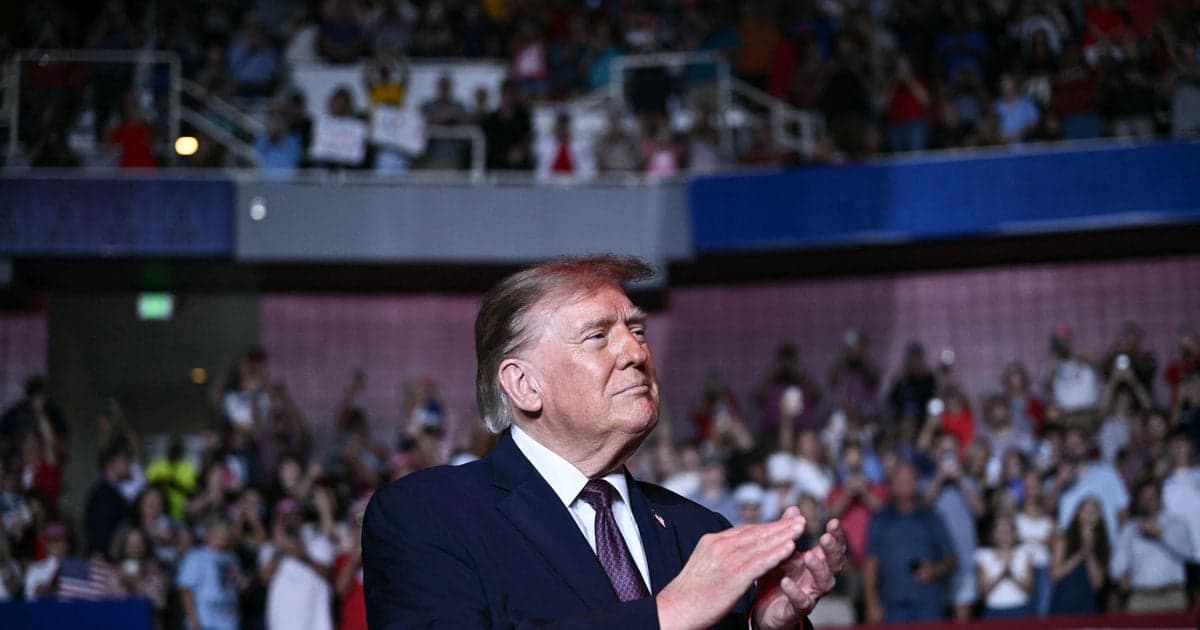
| Latvian Prime Minister Andris Kulbergs and his centrist coalition, the United Alliance, are projected to win the largest number of seats. |
Polling stations across Latvia opened at 8:00 local time and remained open until 20:00 on the same day. A total of 14 political parties and alliances participated in this election. According to the Latvian Central Election Commission, a total of 933 polling stations were set up nationwide and 88 polling stations abroad.
Major political forces participating in the election include the current ruling coalition of the government, comprising the United Alliance party, the New Unity party, the National Union party, and the Green and Peasant Union party. In addition, political parties and alliances such as the Radicals party, the Latvia First party, the Party for Stability, the Center for Harmony party, and the New Conservative party are also contesting the election.
According to Latvia's electoral system, the 100 seats in Parliament are allocated proportionally. In addition, each political party or coalition must win at least 5% of the vote to secure a seat in Parliament.
According to the Latvian constitution, after the new Parliament is formed, the president will consult with the political forces that have won seats in Parliament and propose a candidate for prime minister to form a new government. The new government must be approved in a vote of confidence in Parliament before officially taking office.
Latvian Prime Minister Andris Kulbergs and his centrist coalition, the United Alliance, are projected to win the largest number of seats. However, the coalition is not expected to secure a majority to form a government on its own and will likely need to continue seeking coalition partners.
Source: https://baoquocte.vn/latvia-bau-cu-quoc-hoi-451573.html