

According to the report from the Department of Science and Technology, digital transformation is being implemented synchronously across three pillars: digital government, digital economy, and digital society. The system of documents, programs, and plans has been issued promptly; many key tasks are being implemented on schedule, with no overdue tasks. Digital infrastructure, digital data, and digital platforms are being gradually improved; and digital transformation models in state management, production, and daily life are being widely implemented.
Telecommunications infrastructure has developed, with high 4G and 5G coverage rates; shared digital platforms such as shared data warehouses, intelligent operations centers (IOCs), and electronic document management systems are operating stably. The rate of online application processing has increased significantly, and the satisfaction level of citizens and businesses has improved. Models such as "Digital Literacy for the People," "Market 4.0," and "Cashless Routes" have gained widespread traction.
For the Provincial Police, the digital transformation and implementation of Project 06 have yielded positive results. The Provincial Police proactively advise and implement measures to ensure cybersecurity; regularly inspect and detect security vulnerabilities; and strengthen efforts to combat and prevent harmful and malicious information on the internet. Project 06 has contributed to raising awareness about simplifying administrative procedures and using online public services; and the use of citizen data, identity cards, and electronic identification provides many benefits to the people.
At the Department of Finance, digital transformation is implemented in conjunction with administrative reform and state management tasks. Information systems, specialized software, and shared systems are maintained and utilized to serve work; 100% of civil servants and employees are equipped with computers. Information security and cybersecurity are prioritized, including malware prevention, data backup, and the development of proposals for information system security levels.
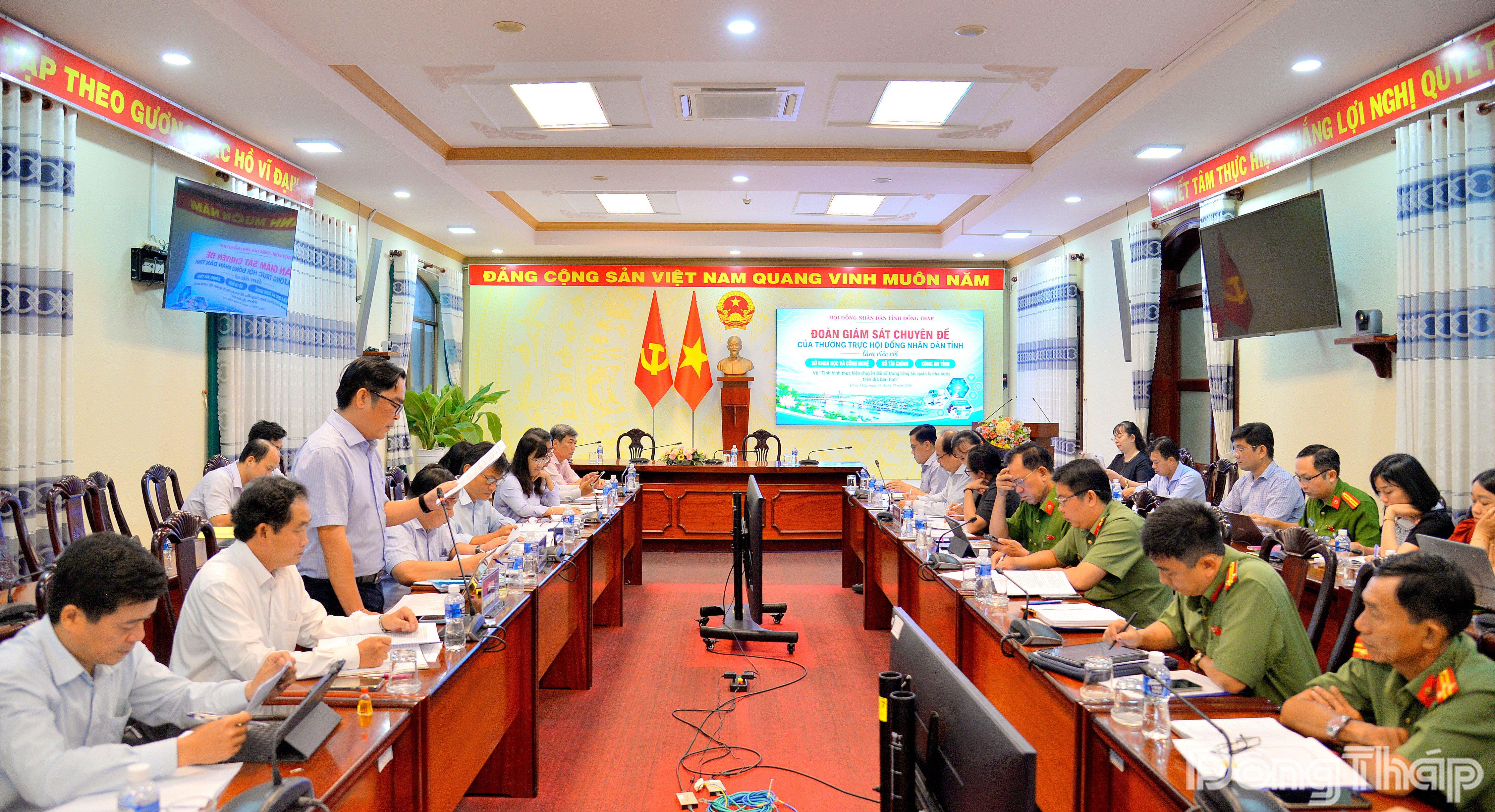
During the working session, members of the Monitoring Delegation and representatives from the three departments and agencies focused on clarifying the remaining difficulties and obstacles in the process of digital transformation in state management, such as: the low rate of online applications; addressing the shortage of IT personnel at the commune and ward levels; solutions to increase the rate of individual digital signatures; and solutions to overcome network congestion and software crashes leading to delays in processing administrative procedures.
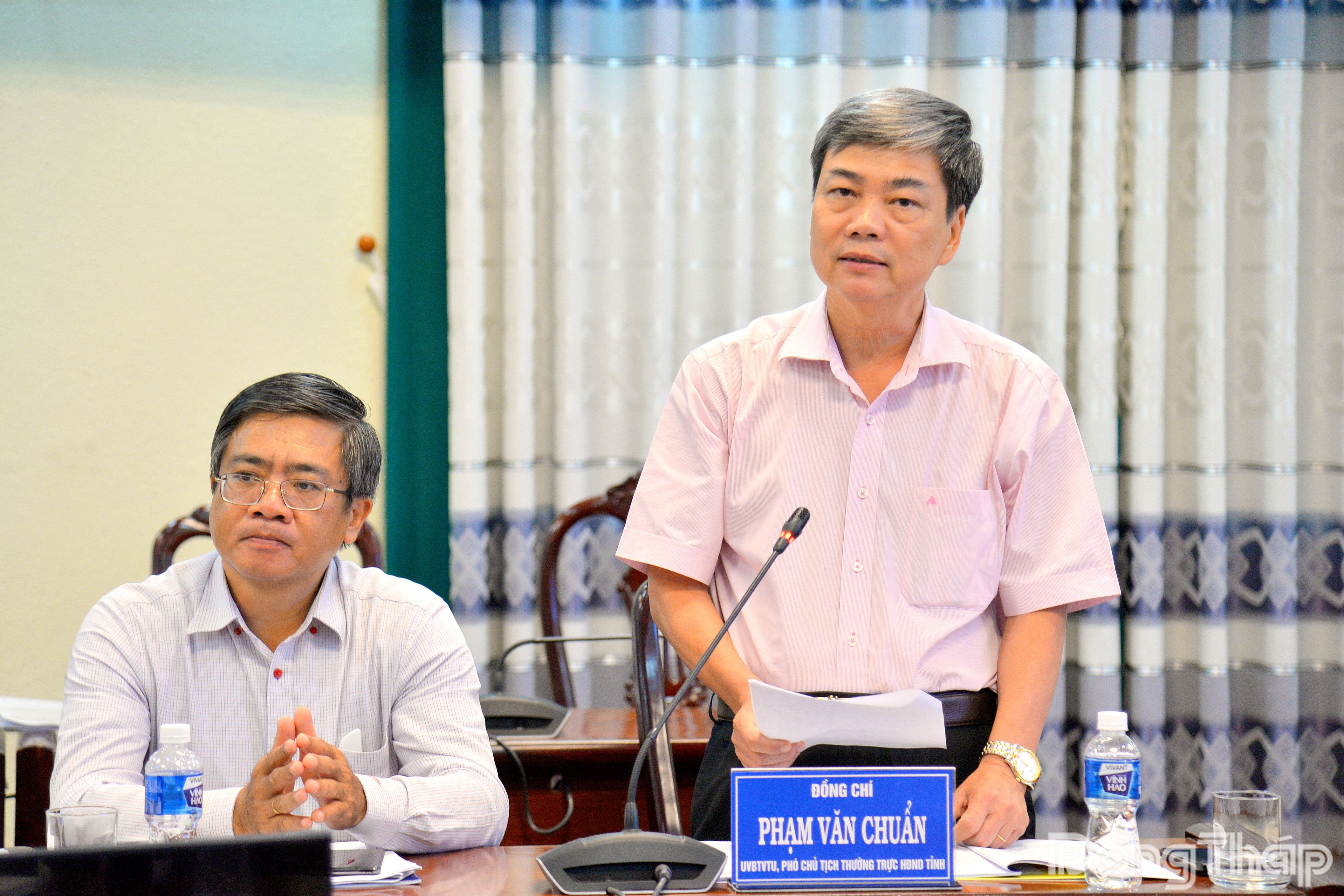
Speaking at the meeting, Comrade Pham Van Chuan requested the Department of Finance to advise on the timely allocation of the budget for digital transformation, to effectively disburse the allocated funds; and to balance budget support for commune-level authorities to pay for "Community Digital Technology Teams" according to Resolution No. 13 dated July 9, 2026 of the Provincial People's Council.
For the Department of Science and Technology, solutions are needed to address and support localities in overcoming infrastructure issues related to network congestion and outages during peak periods, which hinder the processing of online applications; and to coordinate with other units to assist in identifying legitimate subscribers for the integration of population data.
The Provincial Police Department needs to continue supporting localities in promoting the use of digital services and safe participation in digital activities; providing guidance on the six groups of administrative procedures integrated into the VNeID application; and implementing solutions to protect personal data and ensure cybersecurity for citizens and businesses participating in electronic transactions and digital services.
QUANG MINH
Source: https://baodongthap.vn/dong-thap-day-manh-chuyen-doi-so-trong-quan-ly-nha-nuoc-a245984.html