
For more than half a month now, the daily routine of Mr. Tran Xuan Song (76 years old, residing in Tay Ho, Hanoi ) has completely changed. Instead of being alone within the four walls of his house while his children and grandchildren are away at work, every morning he eagerly goes to the ward's daytime elderly care facility like a child going to school.
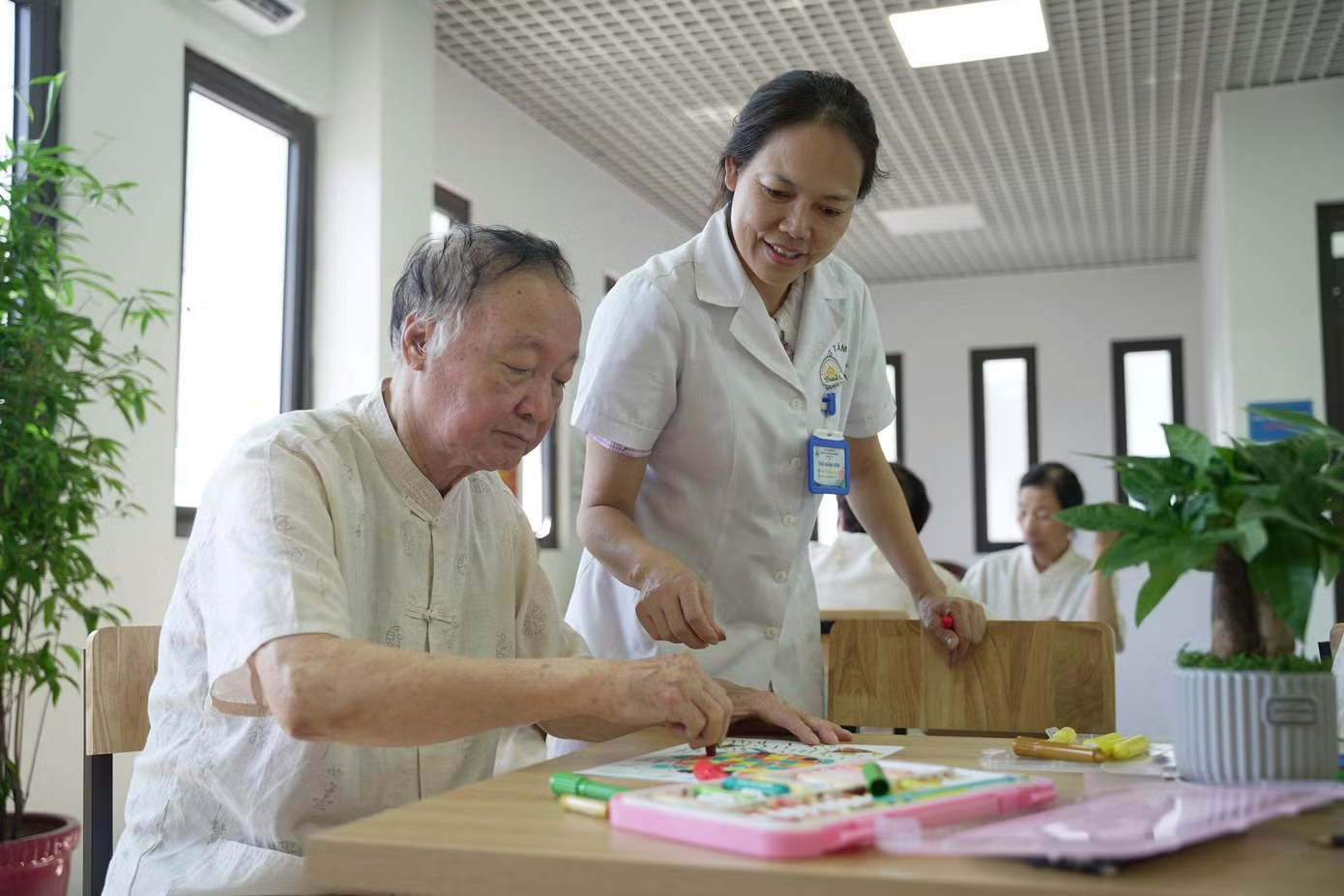
According to Mr. Song, he often felt lonely at home due to the lack of people to talk to and socialize with. Since joining the facility, he has met friends of his generation: from former crew members of the "no-number" ships of yesteryear to officials in the construction industry, and more. The open sharing of stories from their youth and life experiences has significantly lifted the spirits of the elderly.
Besides providing a place to chat, the elderly here also have a well- structured schedule: mornings include outdoor exercise, meditation, and herbal foot baths to improve blood circulation; afternoons involve painting classes, reading, and karaoke.
"Before, I used to have aches and pains all over my body, especially in my knees. But here, with the doctors and nurses monitoring and supporting my treatment, I feel much healthier and happier. This is a very correct pilot program of the State, and I hope it will be further expanded so that elderly people can have more joy in their final years," Mr. Song confided.
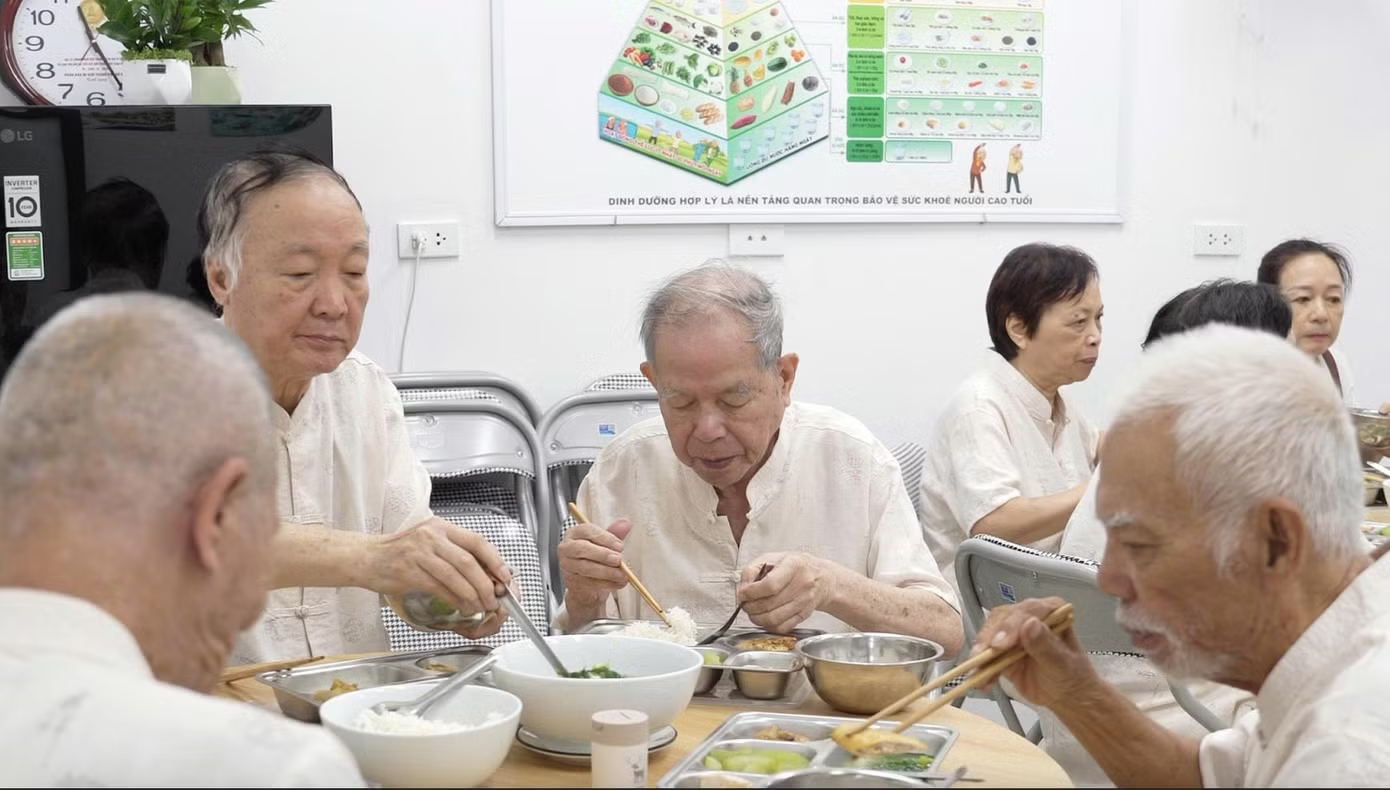
At the facility, the elderly are divided into five care groups: from regular health monitoring and personalized nutritional menus tailored to specific conditions (diabetes, gout, hypertension) that change continuously over two weeks, to rehabilitation and emotional connection. The vibrant atmosphere, from art classes and tea-drinking corners to cultural and artistic activities, keeps the nursing home filled with laughter.
Seats are constantly fully booked.
Ms. Tran Thi Thuy, in charge of the daytime elderly care facility in Tay Ho ward, said that with a maximum capacity of 20 beds, the facility has been constantly fully booked since it opened.
"The facility has a maximum capacity of 20 beds, and since its opening, it has been consistently fully booked. Every day, we welcome family members or the elderly themselves who come to visit and register as a reserve so that if anyone passes away, we can invite them in," Ms. Thuy informed.
Sharing her thoughts on the work of the health station staff upon taking on their new role, Ms. Thuy confided: "Caring for the elderly must be done with love and compassion, not just out of a sense of duty. Only with genuine love and care can we patiently and wholeheartedly assist them, even if they are difficult, irritable, or ill."
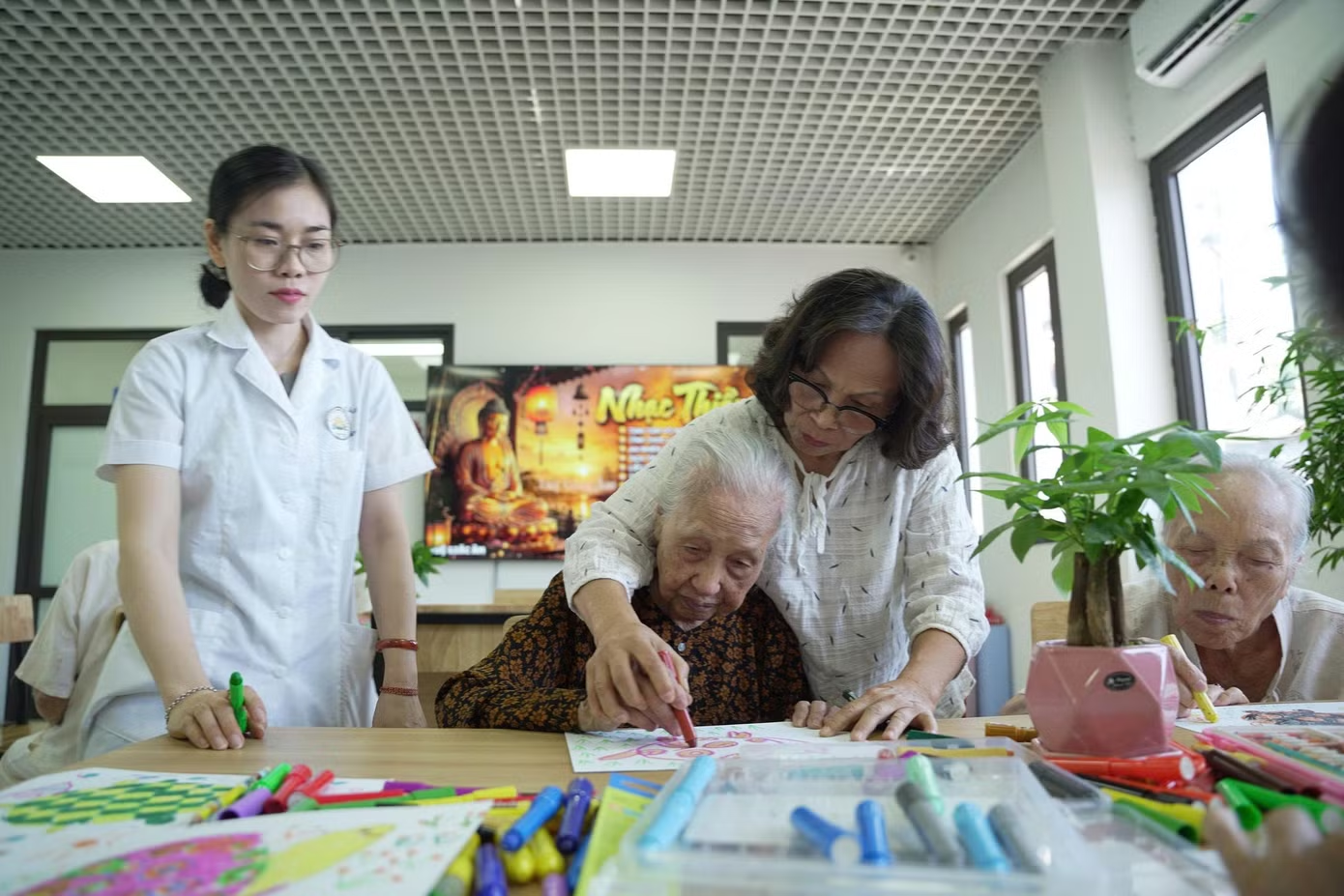
According to Ms. Thuy, many elderly people, upon arriving, were defensive, glaring suspiciously and easily irritable due to their long periods of confinement within the four walls of their apartment, surrounded only by televisions and telephones. Thanks to attentive care, from sleep and meals to exercises to prevent falls and dementia, they gradually shed their shells, learned to smile and clap freely. This transformation directly impacted their families: children no longer had to constantly watch surveillance cameras, the elderly felt less stressed, and the atmosphere during evening family gatherings became warmer and more relaxed.
Overcrowding at Tay Ho is also a common reality at pilot sites across the city. Starting with the first site in Long Bien ward in June, Hanoi has now expanded to include facilities in Thach Than (Quoc Oai), Quang Trung (Dong Da), Giang Bien 3 (Viet Hung), Quang An (Tay Ho), and Gia Thuy (Bo De). However, each location only has about 20 beds, so it cannot meet all the demand. For example, at the Bo De facility, the unit has to organize a rotational 5-day trial period for elderly residents to make room for new patients.
This shortage stems from the fact that Hanoi currently has over 1.3 million elderly people (accounting for 16% of the population), but the existing elderly care system only meets 3-5% of the demand. The city aims to have 70% of communes and wards with daycare facilities by 2030.
However, the challenge of maintaining sustainability remains significant. Funding for the pilot projects currently relies primarily on social mobilization and partial support from local budgets. Without specific economic and technical standards from the city, the transition from a pilot phase with social support to a phase of calculating fees to sustain the service long-term requires a clear and coordinated mechanism from all levels of management.
Source: https://tienphong.vn/vien-duong-lao-ban-tru-o-ha-noi-chay-cho-nguoi-cao-tuoi-phai-dang-ky-cho-toi-luot-post1882761.tpo