
To commemorate the 950th anniversary of the founding of the Imperial Academy (1076 – 2026), on the afternoon of October 6th, the Van Mieu - Imperial Academy Cultural and Scientific Activities Center, in coordination with the Nghe An Department of Culture, Sports and Tourism, organized a thematic exhibition "The Thang Long Imperial Academy and the tradition of studiousness in Nghe An province" at the Nghe An - Soviet Nghe Tinh Museum.
The event is a meaningful cultural activity aimed at honoring exemplary values: symbols of the tradition of studiousness and respect for teachers of the Dai Viet nation and the pride of scholarly achievements in Nghe An province.

Attending the opening ceremony were representatives from the Provincial Party Committee's Propaganda Department, the Department of Culture, Sports and Tourism, the Nghe An Provincial Political School, the Van Mieu - Quoc Tu Giám Cultural and Scientific Activities Center, along with representatives from scholarly families in Nghe An province and a large number of the public.
In his opening remarks, Bui Cong Vinh, Deputy Director of the Nghe An Department of Culture, Sports and Tourism, stated:
In 1076, the Imperial Academy (Quốc Tử Giám) was established in the capital city of Thăng Long, marking a significant milestone in the history of Vietnamese education . Over the centuries, it has become a symbol of scholarship, of the spirit of respecting teachers and mastering knowledge, of learning to become accomplished and using one's talents to serve the country. Therefore, the legacy of the Imperial Academy is not only found within the walls of Thăng Long, but has also spread to many rural areas and generations of Vietnamese people.

Within that context, Nghe An stands out as a special land. It is renowned for its auspicious geography and talented people, for its hardworking, resilient, and exceptionally studious individuals. The story of the Ngo family in Dien Chau, with generations of successful scholars, has become a beautiful symbol of Nghe An's scholarly tradition: "Sweet potatoes for breakfast, sweet potatoes for lunch, sweet potatoes for dinner, sweet potatoes for three meals a day / Father passed, son passed, grandson passed, the whole family passed."

From those villages, Nghe An has inscribed in the nation's history many generations of talented individuals, people who not only studied to achieve fame but also dedicated their intellect, character, and talent to serving their homeland and country: the First-ranked Scholar Bach Lieu, the First-ranked Scholar Ho Tong Thoc; famous figures, scholars, and cultural personalities such as Ho Xuan Huong, Phan Boi Chau, and Dang Thai Mai; and especially President Ho Chi Minh – a son of Nam Dan, a great symbol of intellect, character, will, and the aspiration for national liberation. These names have contributed to shaping the unique identity of the land that we today proudly call "the land of learning in Nghe An."
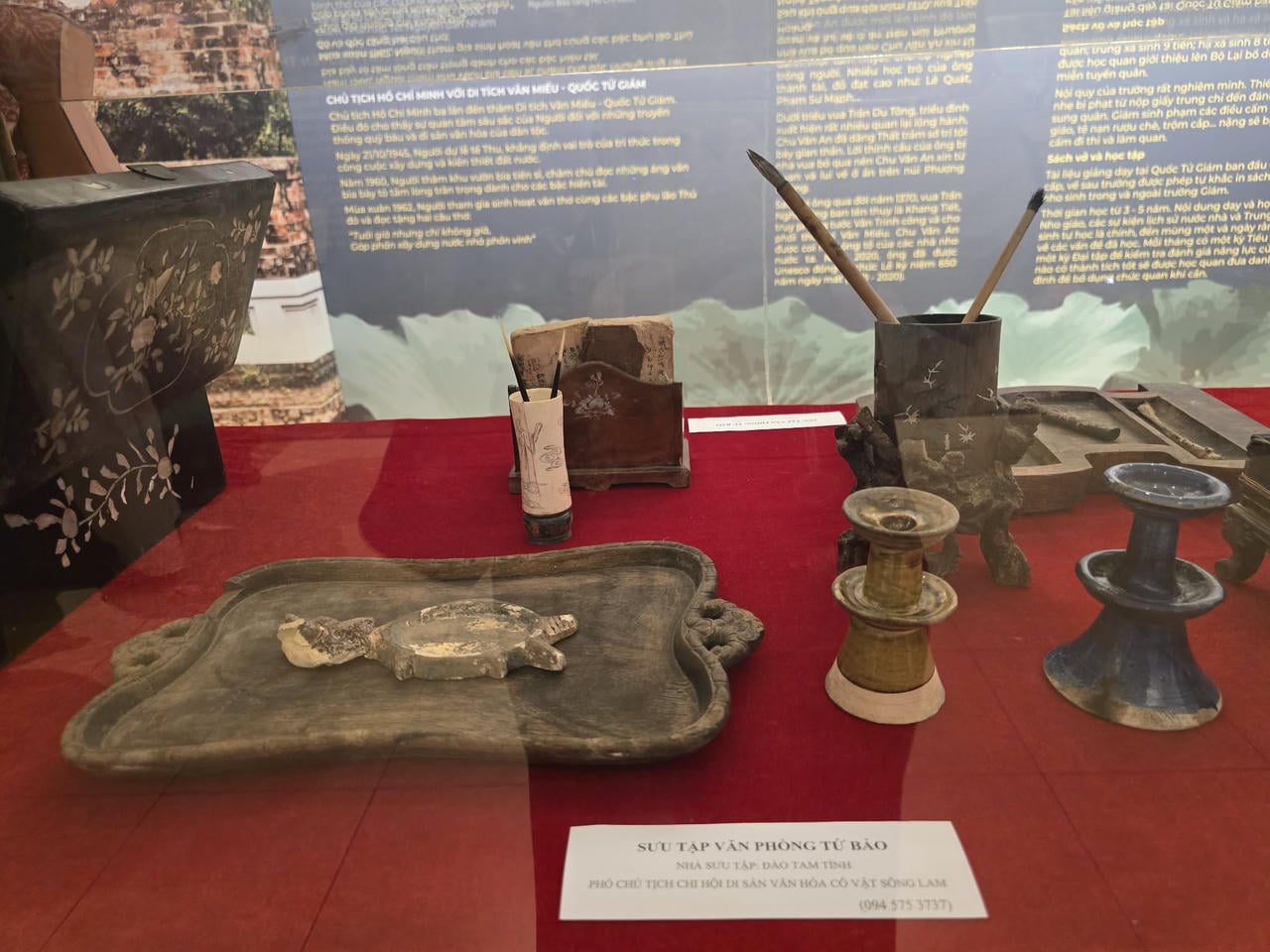
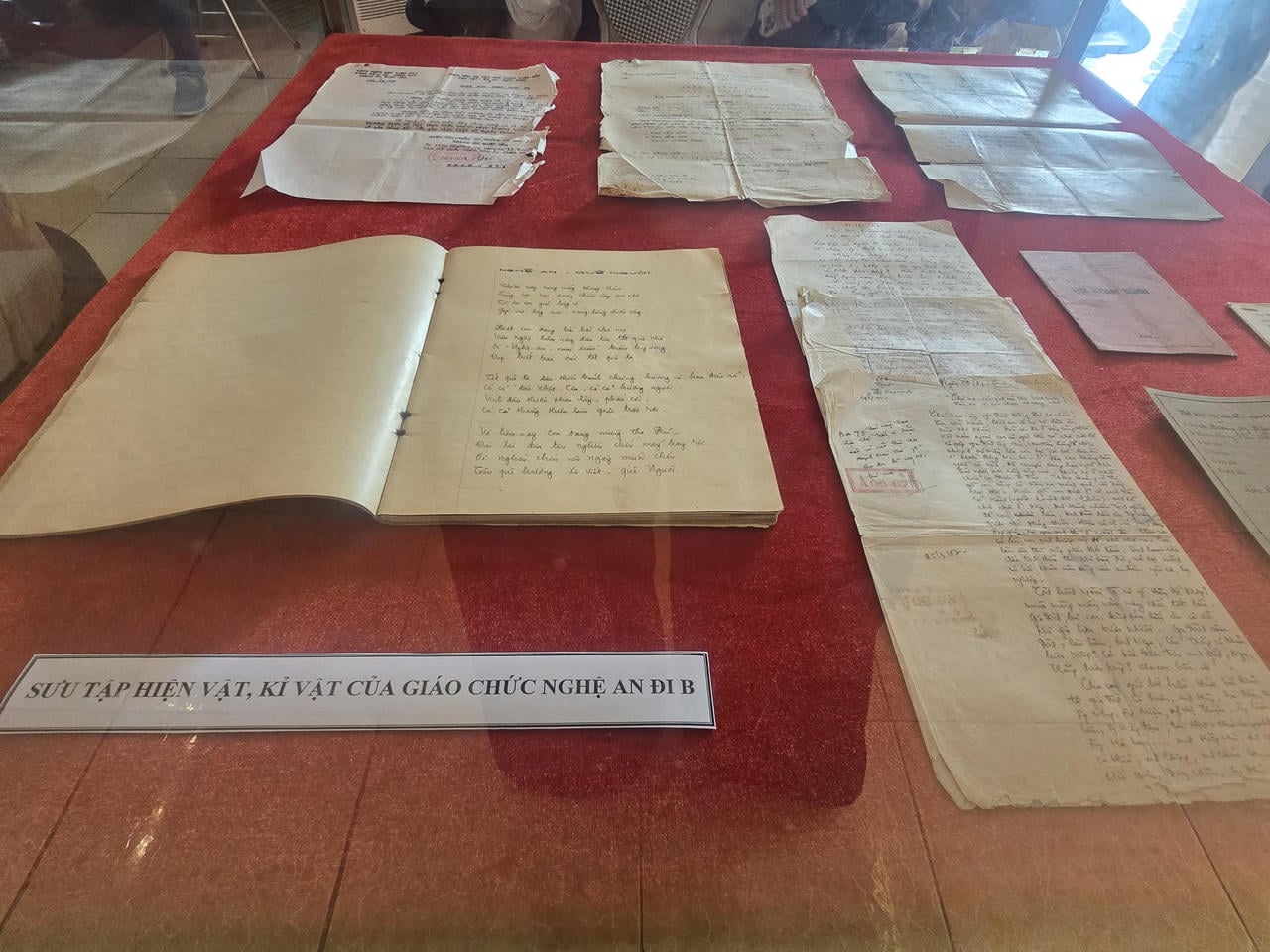
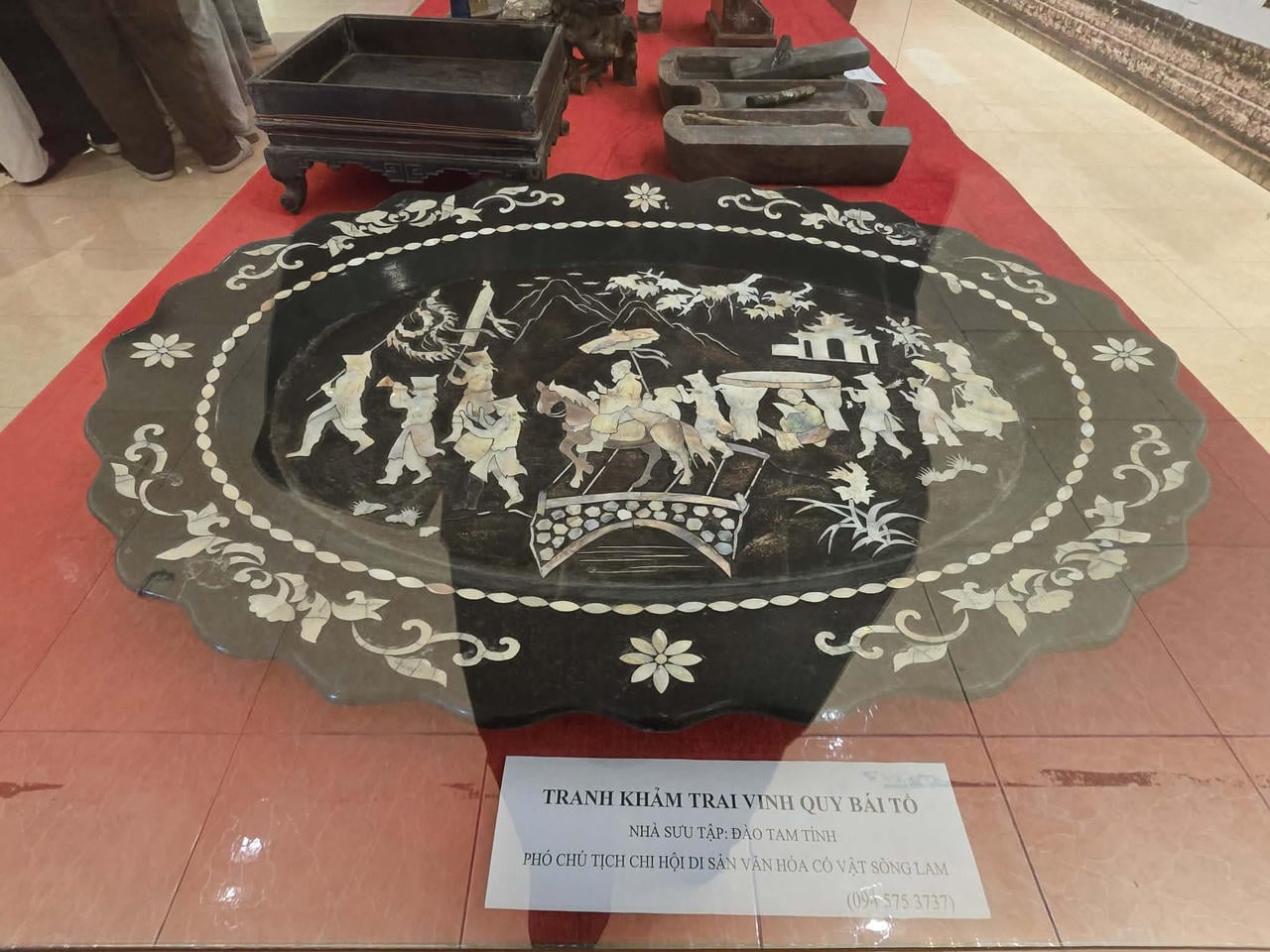
The thematic exhibition "Thang Long Imperial Academy and the Tradition of Studiousness in Nghe An Province" is an opportunity for the public to access a system of documents and artifacts about the history, role, and values of the Thang Long Imperial Academy; and to explore the tradition of scholarly achievement, studious families, famous figures, educators, scientists, and sons and daughters of Nghe An who have contributed to the glory of their homeland and country. It is also an opportunity to connect and raise awareness about the preservation and promotion of cultural heritage values, contributing to strengthening the bond between Hanoi and Nghe An.


The event featured several hands-on activities that helped make learning about ancient education and examinations more accessible and engaging, such as calligraphy practice and the printing of patterns from doctoral steles. These activities attracted a large audience, especially young people.
The Thang Long Imperial Academy (Quốc Tử Giám) was established in 1076 – the first national school, a center for training high-level talents during the monarchical era. Over more than 900 years of formation and development, the Temple of Literature – Imperial Academy has endured, forever embodying the nation's spirit of learning and respect for talent. It currently houses 82 doctoral steles – a World Documentary Heritage – recording 1,307 instances of those who passed the highest imperial examinations.
Nghe An is renowned as a land of exemplary scholars, with a large system of public schools from the provincial to the district level. Private schools, established by many scholars, also provided education, such as the Nam Son School of Thám hoa Nguyễn Đức Đạt, the Tú Viên School in Thanh Chương, and the school of Cử Kiều in Nam Đàn. The Nghe An provincial examination system produced many famous scholars. Among the 82 steles commemorating doctoral graduates at the Temple of Literature, Nghe An includes 44 doctoral graduates and 4 who served as Tế tửu (Chancellor) and Tư nghiệp (Director) of the Thăng Long National Academy.
Source: https://baophapluat.vn/trung-bay-quoc-tu-giam-thang-long-voi-truyen-thong-hieu-hoc-tinh-nghe-an.html