
 |
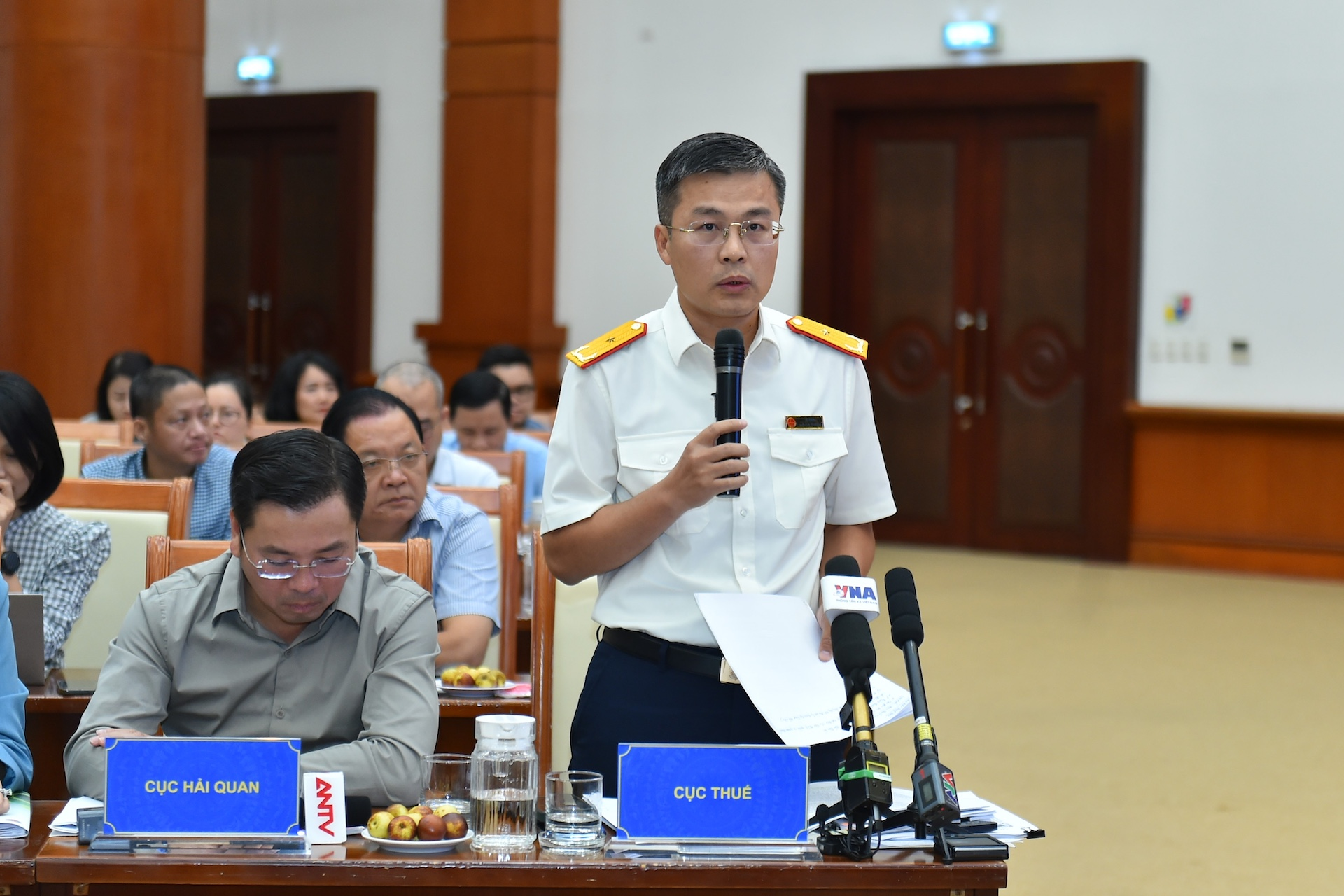
Mr. Le Long, Deputy Director of the Tax Department, gave a speech. |
Regarding the campaign to clean up tax identification numbers, Mr. Le Long, Deputy Director of the Tax Department, said: As a preliminary result, the Tax Department has reviewed, classified, and assigned responsibility for handling these cases to each locality; and strengthened coordination with business registration agencies, the police, customs, and local authorities.
By the end of September 2026, the tax authorities had completed the procedures for terminating the tax identification numbers of nearly 125,000 businesses, branches, and organizations, an increase of approximately 30% compared to the end of 2025; many of these cases, which had been pending since 2025 or earlier, were processed intensively during the campaign. Simultaneously, the tax authorities confirmed the completion of tax obligations for over 52,000 cases, allowing them to proceed with dissolution procedures at the business registration agency.
Thus, the tax authorities have processed the completion of tax obligations to close the tax identification numbers for nearly 180,000 businesses and organizations. Conversely, more than 4,000 businesses and organizations have had their tax identification numbers restored to continue operations. This result shows that the campaign not only focuses on handling long-standing backlog cases but also contributes to creating conditions for businesses to make clear choices: complete the procedures to exit the market or resume operations in accordance with regulations.
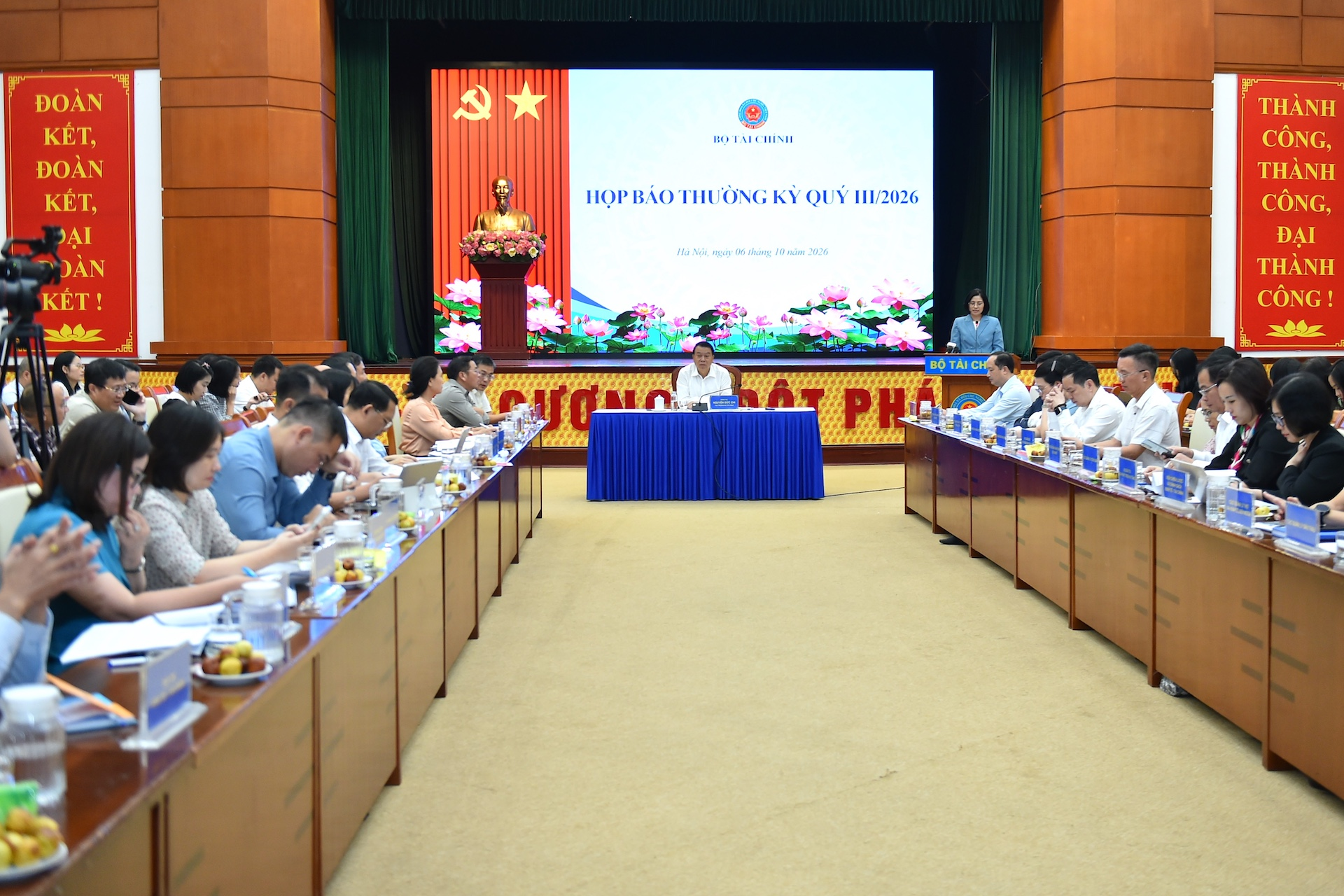 |
The scene at the press conference. |
At the press conference, Ms. Le Thi Tuyet Nhung, Deputy Director of the Price Management Department, Ministry of Finance, said that in order to keep the inflation target for 2026 around 4.5%, the Ministry of Finance has issued a document requesting ministries, sectors, and localities to closely monitor supply and demand and price developments in the market, especially for essential goods.
Simultaneously, proactively forecast and develop pricing plans to ensure supply and manage prices appropriately; local authorities should strengthen inspections regarding compliance with pricing regulations; and prevent hoarding, speculation, and price gouging.
For localities with higher-than-average CPI increases, the Ministry of Finance recommends a thorough analysis of the causes of these high price increases, especially for items that significantly contribute to the CPI rise, in order to implement appropriate management measures. Furthermore, fuel prices will depend on global price fluctuations, but Vietnam will implement appropriate measures to ensure stability.
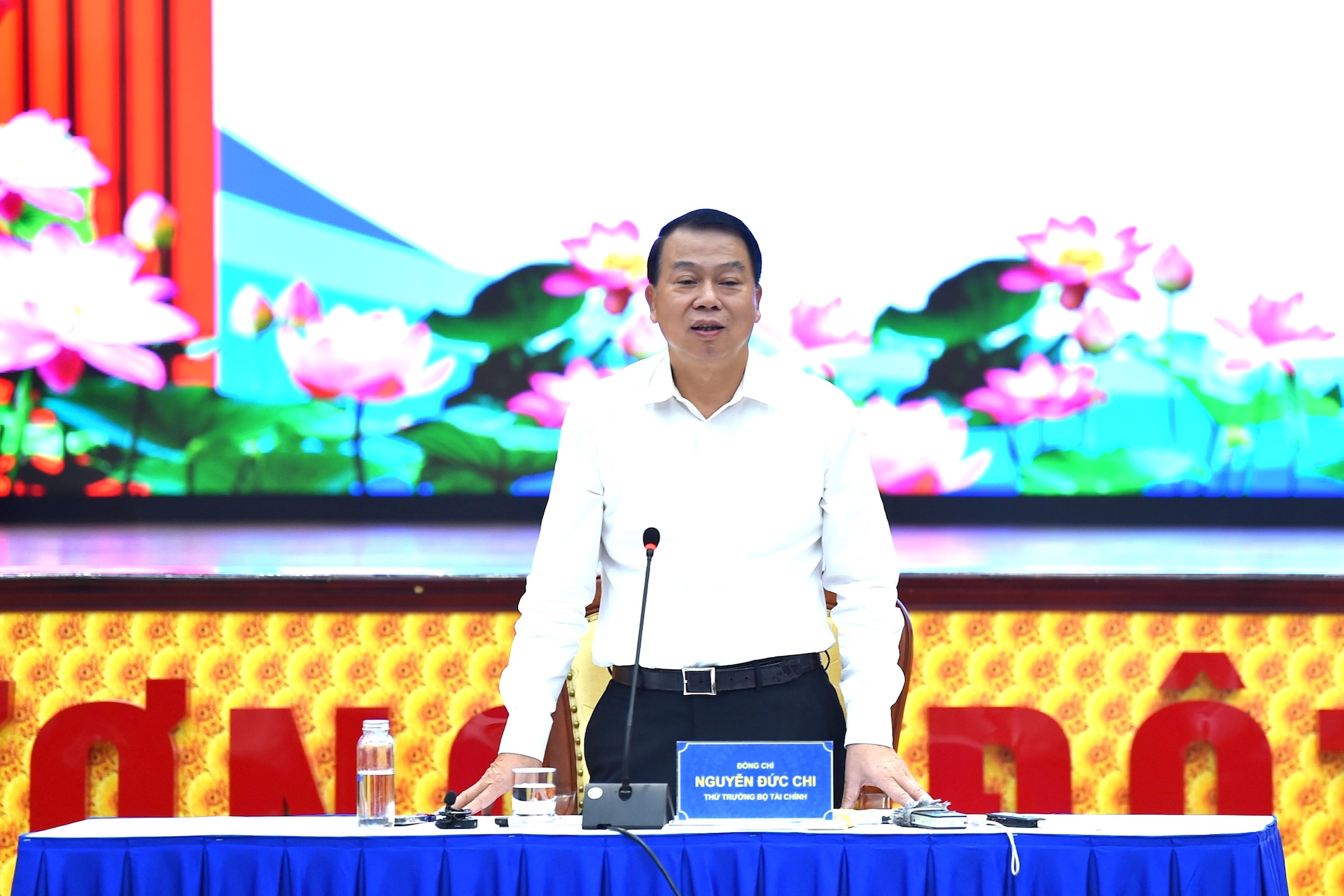 |
Deputy Minister of Finance Nguyen Duc Chi delivered a speech. |
Deputy Minister of Finance Nguyen Duc Chi emphasized that with the inflation target for 2026 around 4.5%, the Ministry of Finance will manage prices to ensure the target is met. Accordingly, solutions include ensuring the supply of strategic goods, maintaining a balanced supply of petroleum products, and preventing electricity shortages for the economy . Essential goods will also be ensured. At the same time, increased inspection and supervision are needed to prevent speculation and profiteering.
With all the above solutions, the leaders of the Ministry of Finance are confident that in 2026, the CPI will achieve the target set by the National Assembly.
Source: https://www.qdnd.vn/kinh-te/tin-tuc/kim-giu-cpi-theo-chi-tieu-quoc-hoi-de-ra-1059641