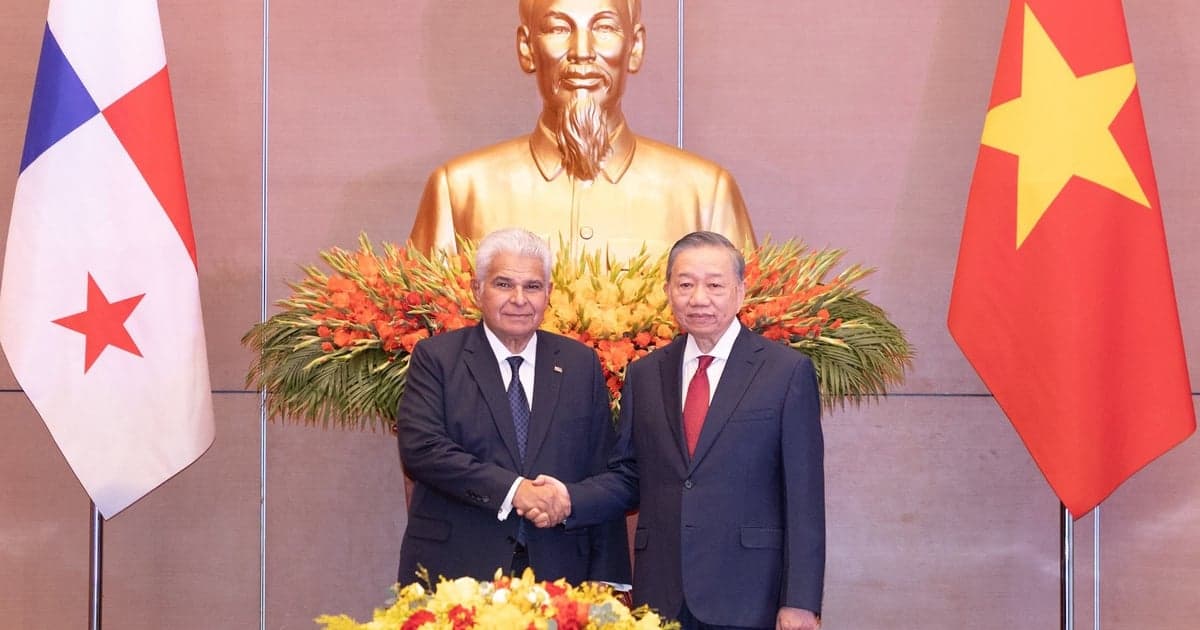

Recently, Tay Ho ward (Hanoi) has continuously welcomed international delegations to visit, exchange experiences, and learn about local practices. From civil registration management and administrative reform to organizational structure, personnel work, digital transformation , and urban management, these exchanges demonstrate that international integration is not just a matter at the national or city level, but also begins with the governance capacity of the government at the level closest to the people.
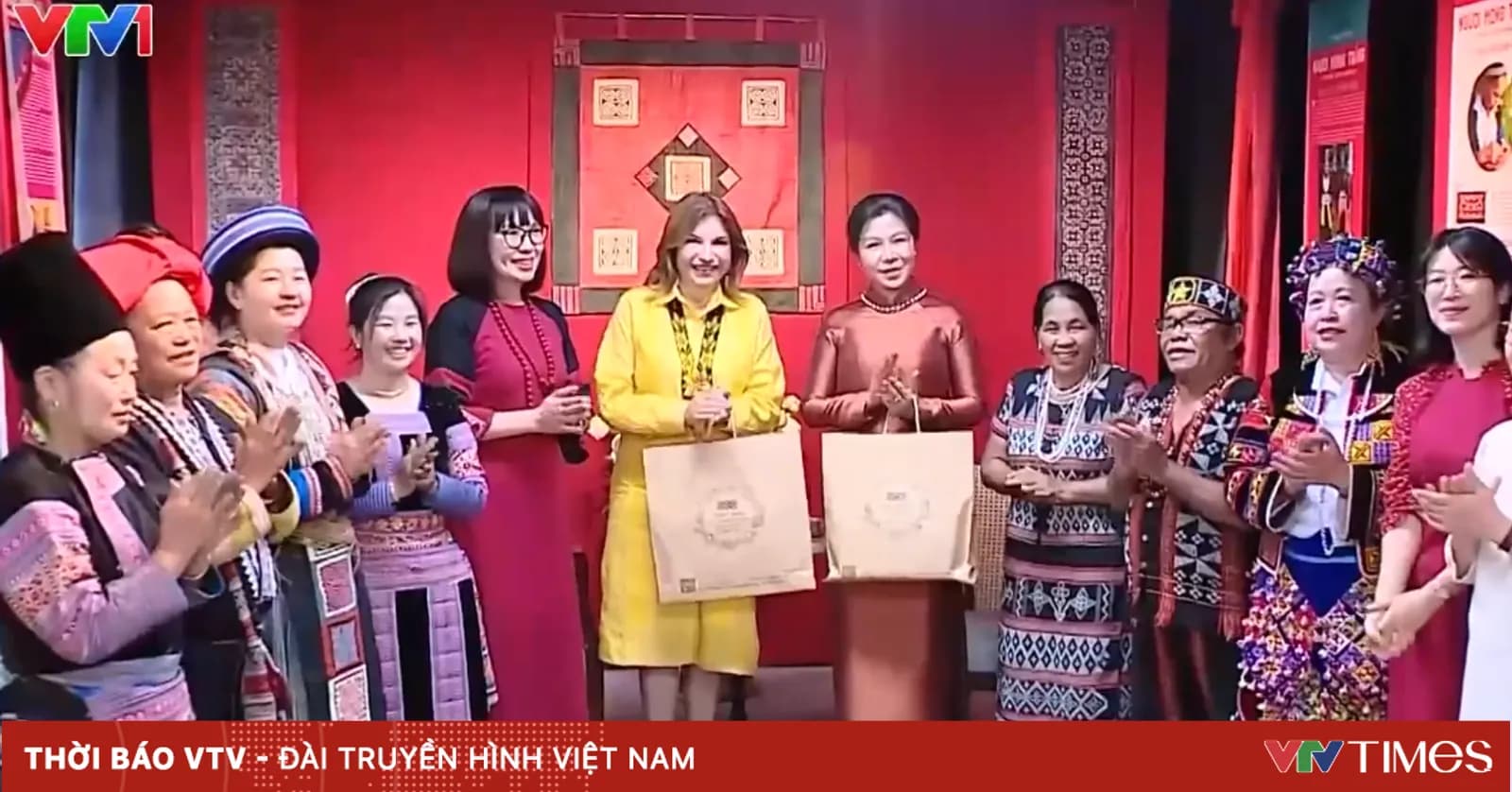
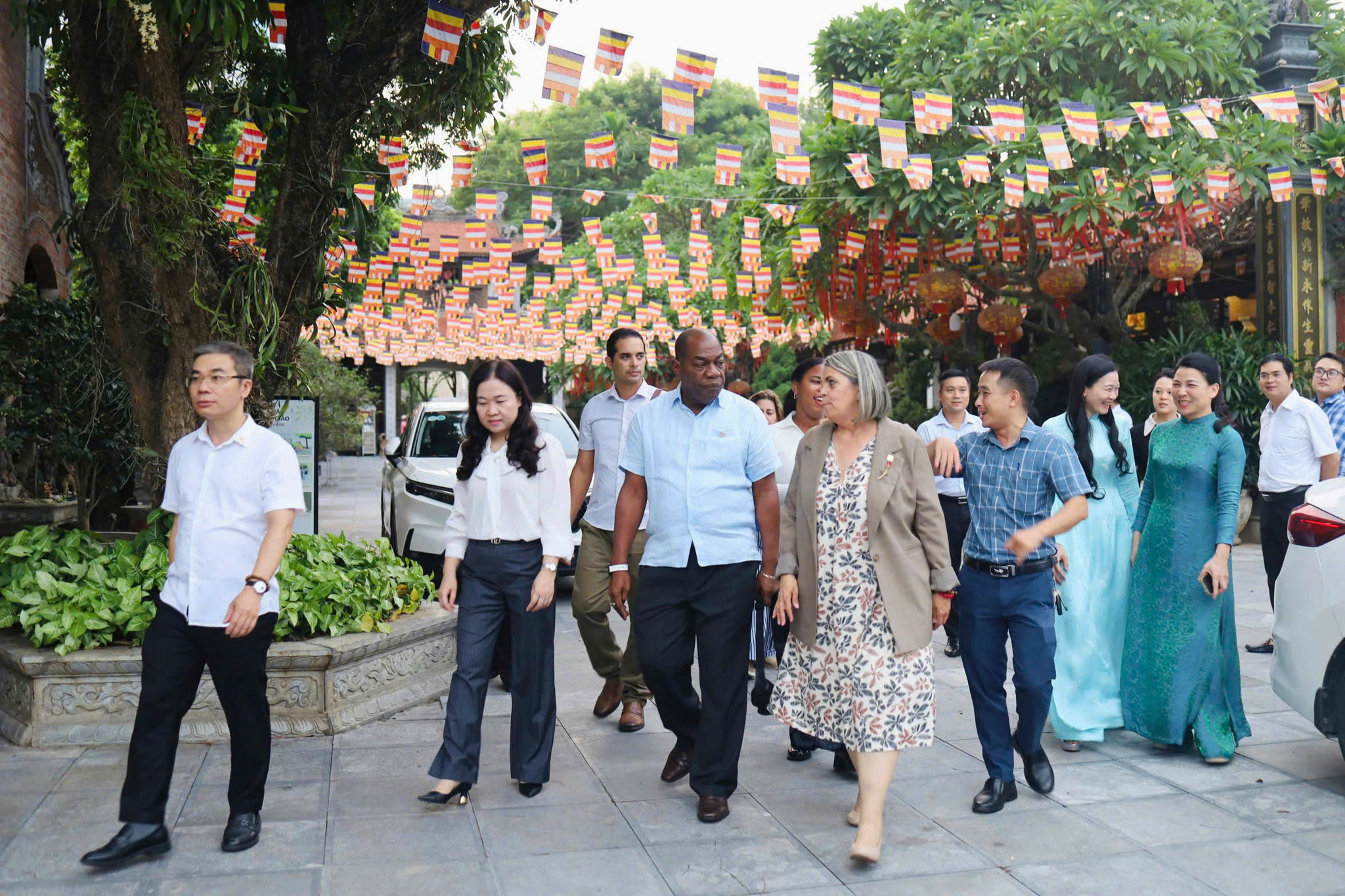
On September 23rd, a delegation from the Cuban Ministry of Justice visited Tay Ho ward to exchange experiences on civil registration and management. The topics of interest focused on streamlining administrative procedures, managing civil registration information, serving the public, administrative reform, and the application of technology.
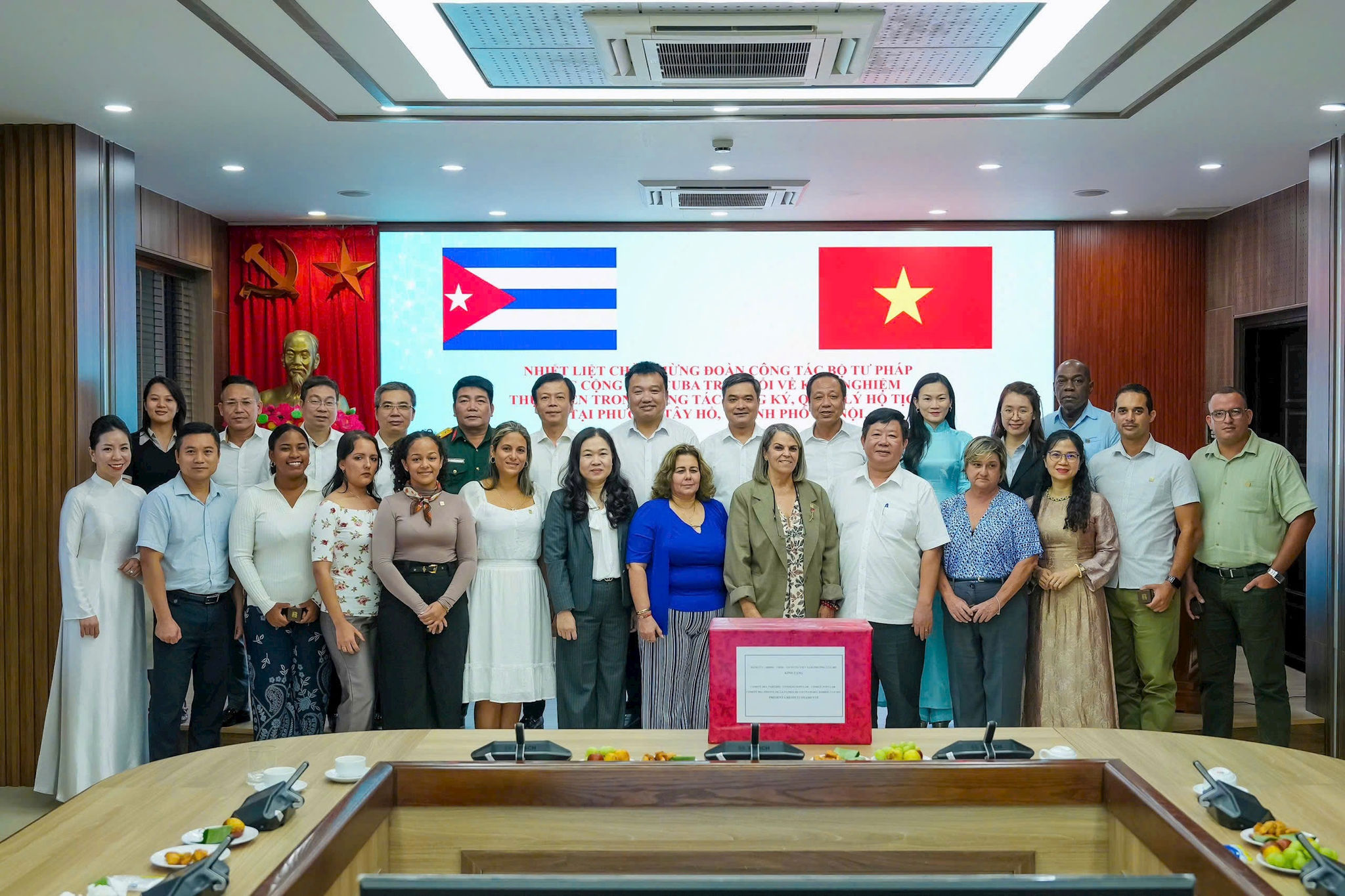
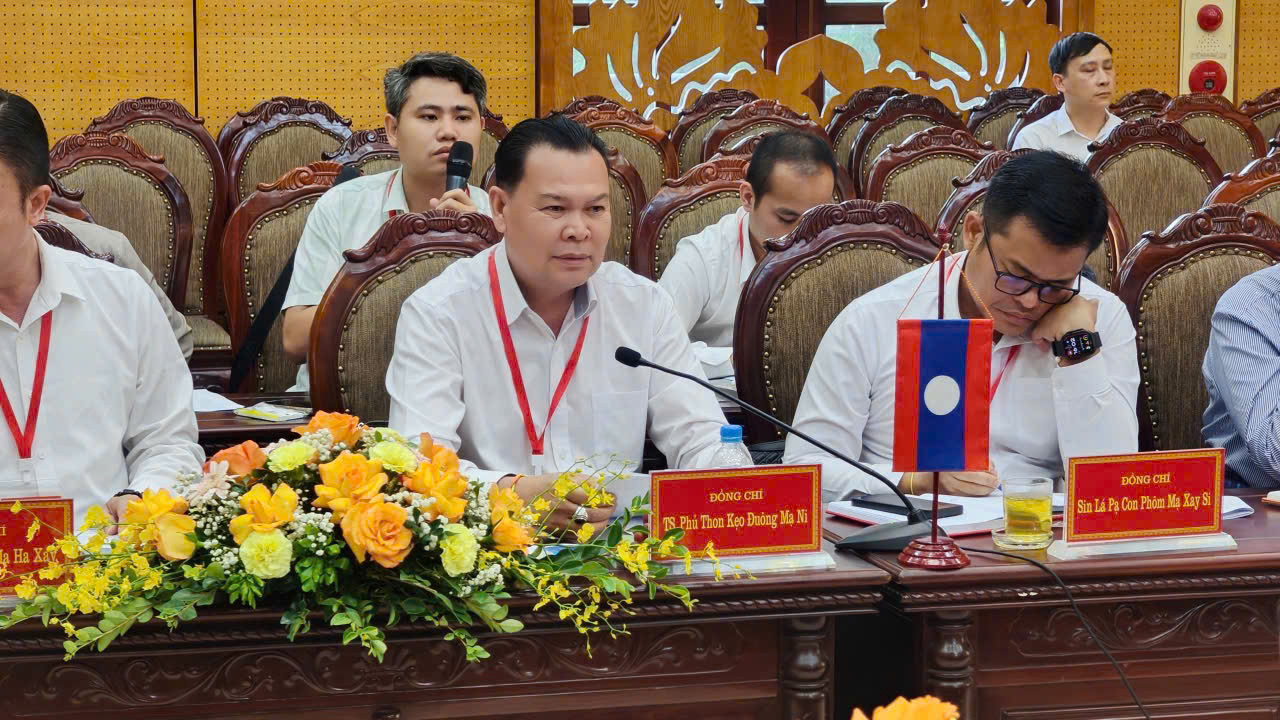
Less than 10 days later, on October 1st, a delegation from Vientiane Capital visited the Tay Ho Ward Party Committee to discuss organizational structure, leadership methods of the Party committee, personnel work, administrative reform, digital transformation, and the activities of the Fatherland Front and other political and social organizations.
The two meetings covered different topics but shared one common point: the operational capacity of the government and political system at the grassroots level .
For the Cuban delegation, it was a story about administrative procedures, a set of documents, and processes for managing and serving the people. For the Vientiane delegation, it was about organizational structure, the responsibilities of officials, and the methods of coordination within the political system. These specific issues are the direct factors that determine the quality of governance in a locality.
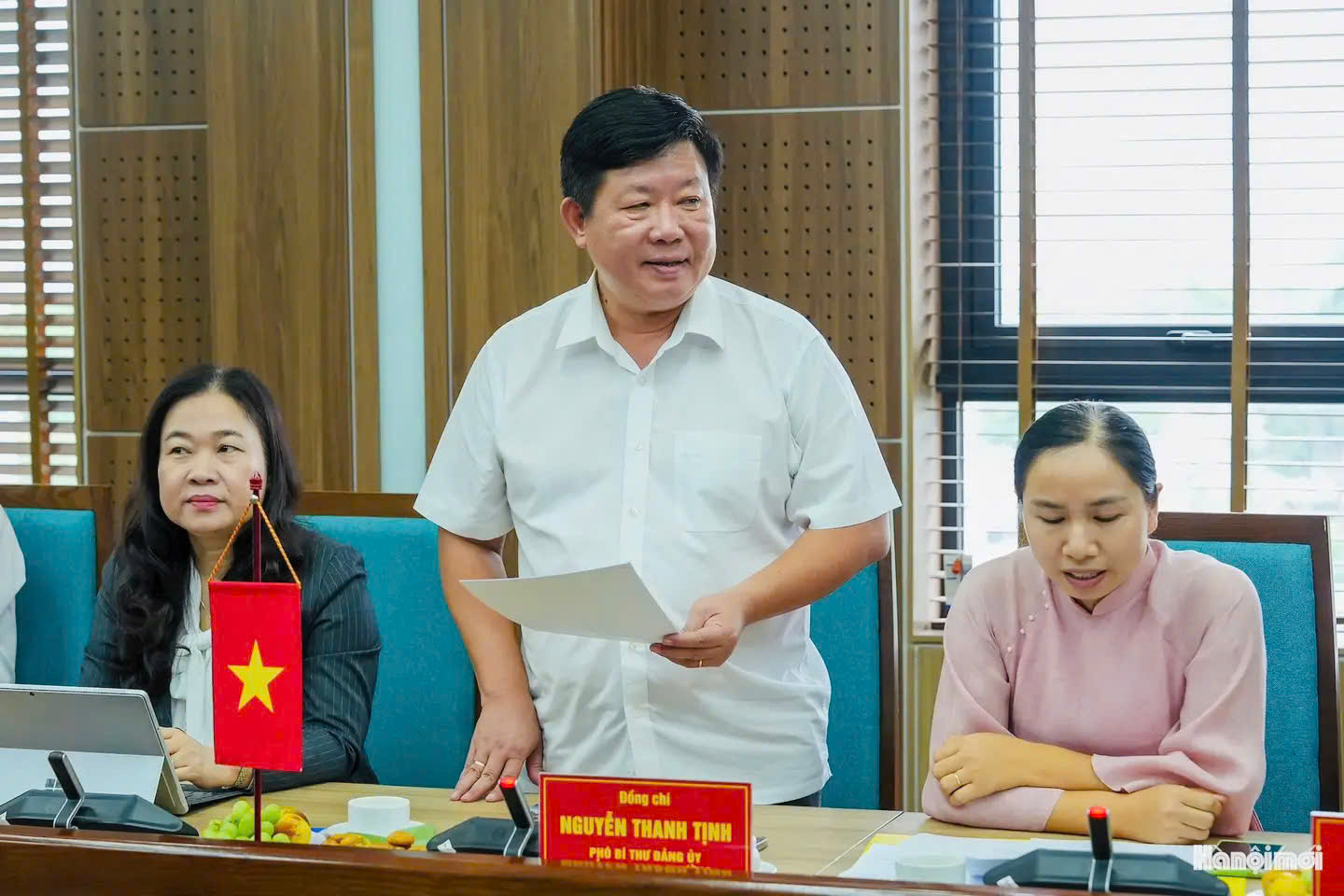
Integration, viewed from the grassroots level, therefore does not begin with major issues, but is first and foremost reflected in how the government handles daily affairs.
Tay Ho is an area rich in historical sites, scenic landscapes, and unique cultural spaces; it also houses diplomatic missions, international organizations, experts, and a large community of foreigners living, working, and studying there. This characteristic places increasingly high demands on the staff.
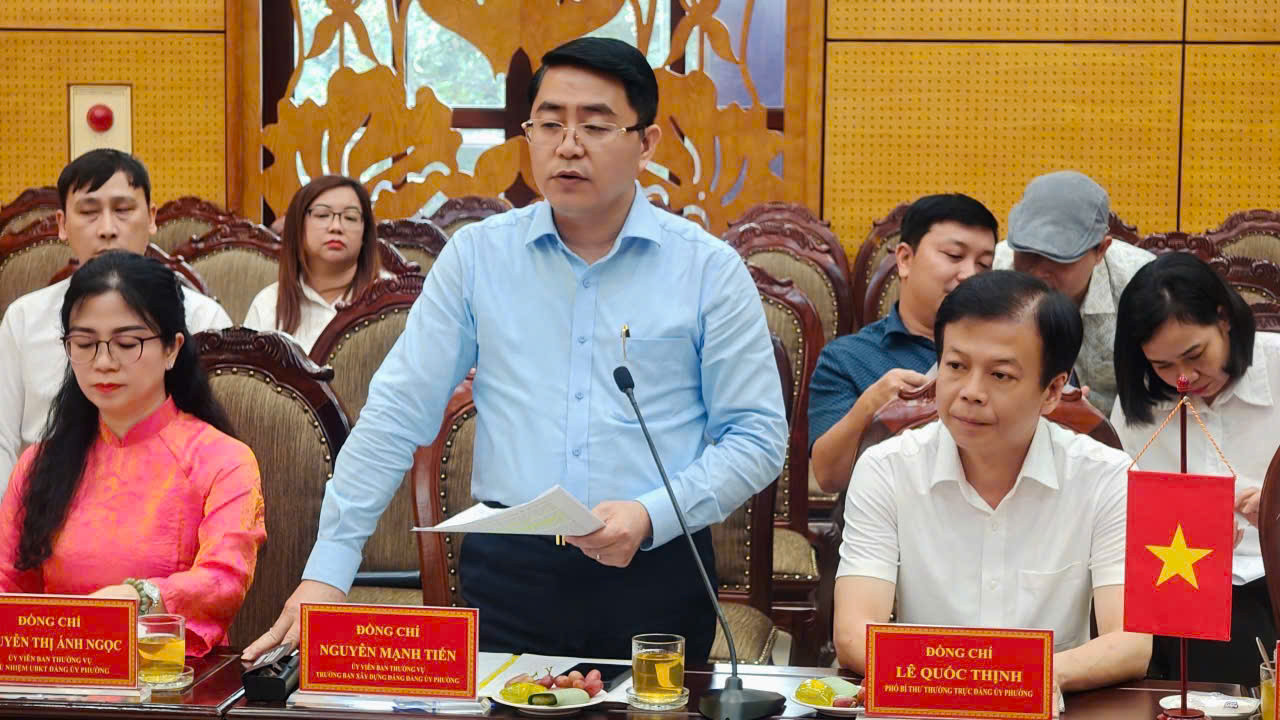
At the conference to receive and exchange experiences with the delegation from Vientiane Capital, Mr. Nguyen Manh Tien, Standing Committee member and Head of the Party Building Department of Tay Ho Ward Party Committee, stated:
“In the new context, grassroots officials not only need to have a firm grasp of policies, laws , and the local situation, but also must possess managerial thinking, technology application skills, communication skills, and the ability to work in an increasingly open environment. As Tay Ho ward aims to build a civilized, modern area that attracts tourists and international friends, the requirements for the quality of the staff, working methods, and spirit of service to the people must also be raised accordingly.”
Based on that requirement, building a public service culture and professional demeanor has been identified by Tay Ho Ward as a practical content in building its workforce. On the morning of October 5th, the Ward Party Committee and People's Committee organized a training conference on communication skills, public service culture, and professional demeanor for officials, civil servants, and employees. The training focused on skills directly related to public service activities such as communication, conduct, work style, the image of an official, and professionalism in performing duties.
In an integrated environment, it's not just about "soft" skills. The way officials communicate with citizens, businesses, tourists, or international visitors also contributes to shaping the image of the government and the locality.
In reality, administrative reform, digital transformation, and improving the quality of public service are becoming increasingly closely linked to the process of building a modern government. A procedure that is handled correctly and quickly, a citizen's feedback that is received promptly, and an urban issue that is effectively addressed through coordinated efforts are all concrete manifestations of effective local governance.
According to Comrade Nguyen Manh Tien, exchange activities with localities and international partners are also opportunities for grassroots officials to learn and improve themselves.
“Exchanging experiences is not just about sharing what we have, but also a process of learning together, recognizing similarities and differences, and finding ways of doing things that are suitable for practical situations. Through this, each official gains a new perspective to innovate working methods, improve the efficiency of task performance, and better serve the people,” Comrade Nguyen Manh Tien emphasized.
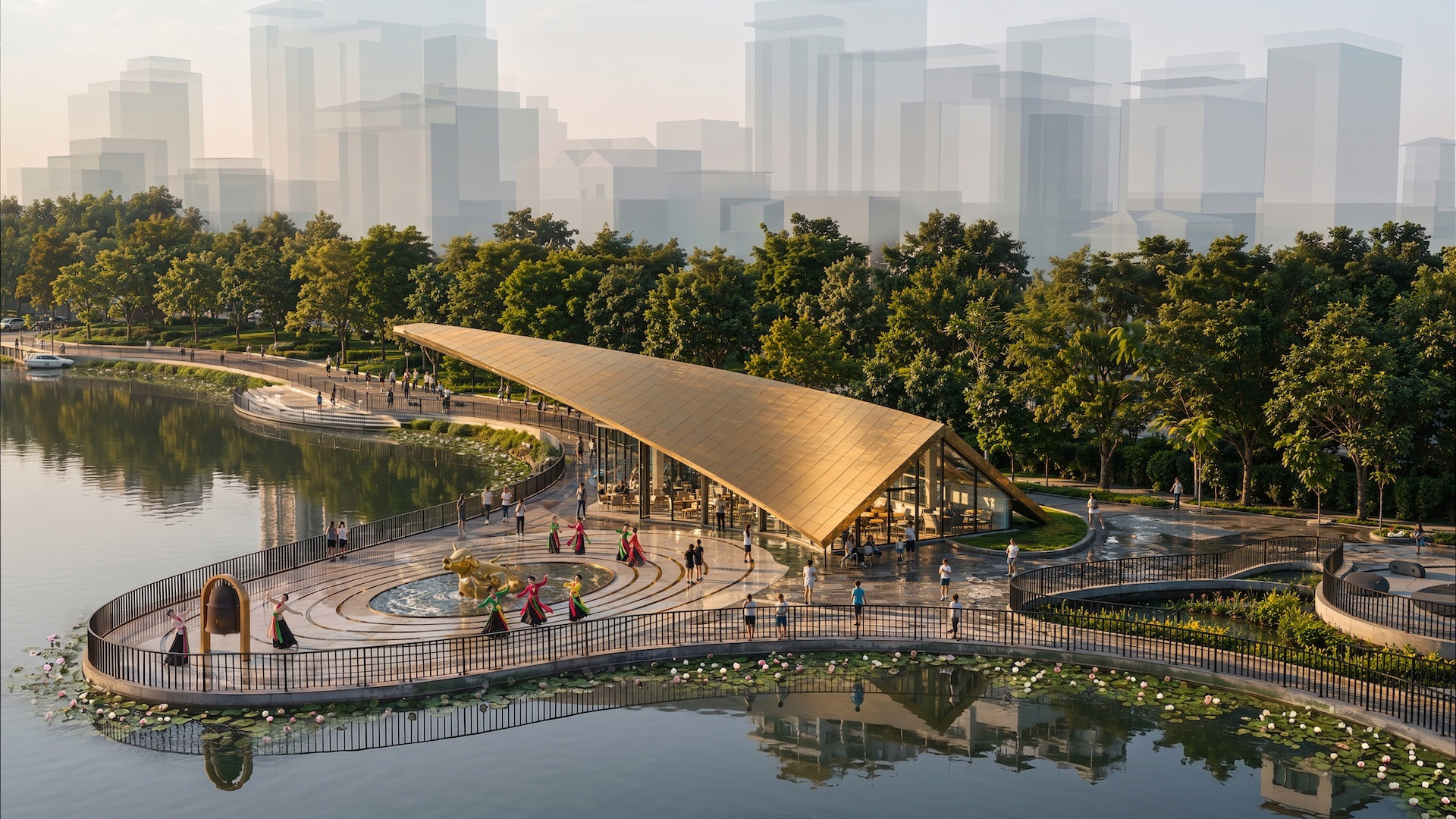
West Lake is situated within Hanoi's new development space, where it is being oriented to become a cultural, tourism, and service area with international appeal. Within this space, heritage preservation, urban management, environmental protection, service development, and improving the quality of life for residents are increasingly intertwined.
An internationally attractive destination requires more than just beautiful scenery or appealing tourism products. Tourists also interact with the streets, the environment, public spaces, services, and how the government handles emerging issues. Therefore, governance capacity, service quality, and the image of the staff also become part of a local attraction.
Two international meetings in a short period of time may just be specific activities in the development process of Tay Ho. But they highlight a clear requirement: As the development space expands, local authorities must also improve their governance capacity and integration capabilities. From civil registration procedures to organizational structure; from administrative reform and digital transformation to personnel management and public service culture; from urban management to landscape preservation – these specific tasks together constitute the quality of a locality.
For Tay Ho, international integration is not just about opening the doors to international friends, but first and foremost about improving the quality of the workforce, innovating management methods, building a culture of public service, and serving the people even better.
Deeper integration requires a stronger foundation. And the attractiveness of a locality, ultimately, is not only created by its landscape or existing advantages, but also by a capable government, a professional staff, and a civilized and friendly living environment.
Source: https://hanoimoi.vn/hoi-nhap-quoc-te-nhin-tu-cap-co-so-1759725.html