
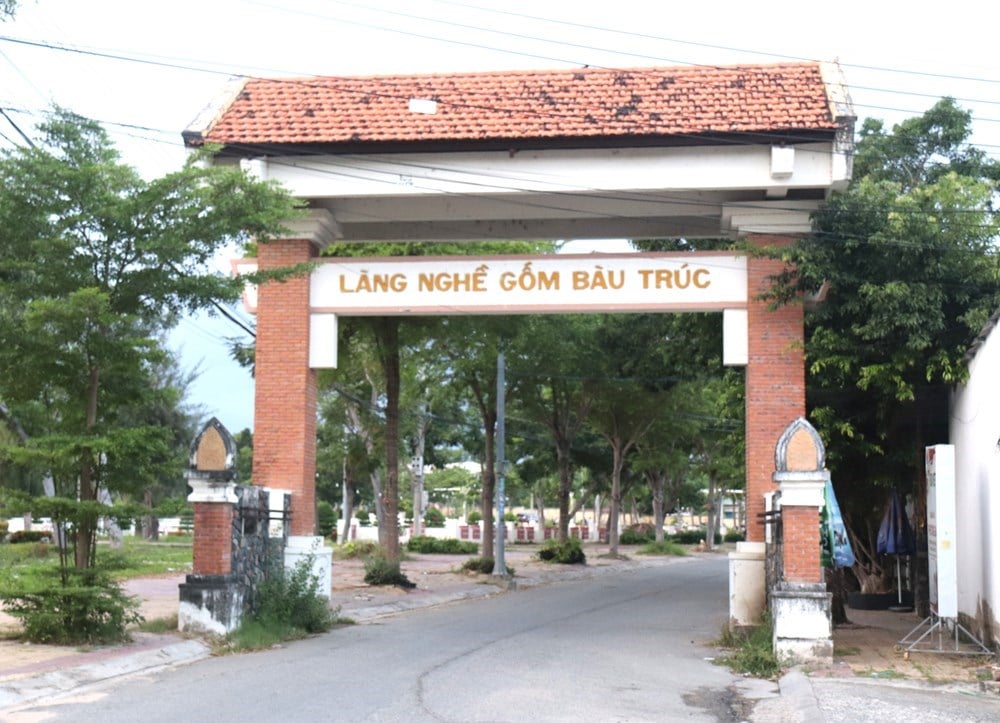
The underground currents of memory in Southeast Asia's oldest pottery village.
According to Cham folklore, Po Klaung Can was the one who led the villagers to settle in the Hamu Trok area and taught them pottery making to escape poverty. To commemorate his contributions, the people of Bau Truc venerate him as their founding master and erected a temple in his honor. Through hundreds of years of passing down the craft from mother to son, the flame of the craft has never died out in every Cham home.
Despite undergoing many historical changes and urbanization, Bau Truc today still preserves its cultural space and traditional production methods intact. According to statistics, the entire village currently has nearly 1,000 households with more than 4,400 inhabitants.
Of these, approximately 300 households are directly involved in pottery making, operating scattered across one cooperative, two enterprises, and dozens of production facilities of varying sizes. Along with Binh Duc pottery village (Paley Gok, Lam Dong province), Bau Truc is one of the two rare areas that still preserve the traditional Cham pottery-making techniques intact.
According to Master's student Le Xuan Loi, a researcher of Cham culture and former Deputy Director of the Khanh Hoa Provincial Cultural Heritage Conservation Center, unlike other famous pottery lines such as Bat Trang, Chu Dau, or Lai Thieu, Bau Truc Cham pottery possesses a unique characteristic with the principle of "four no's": no potter's wheel, no mold, no glazing, and completely open-air firing.
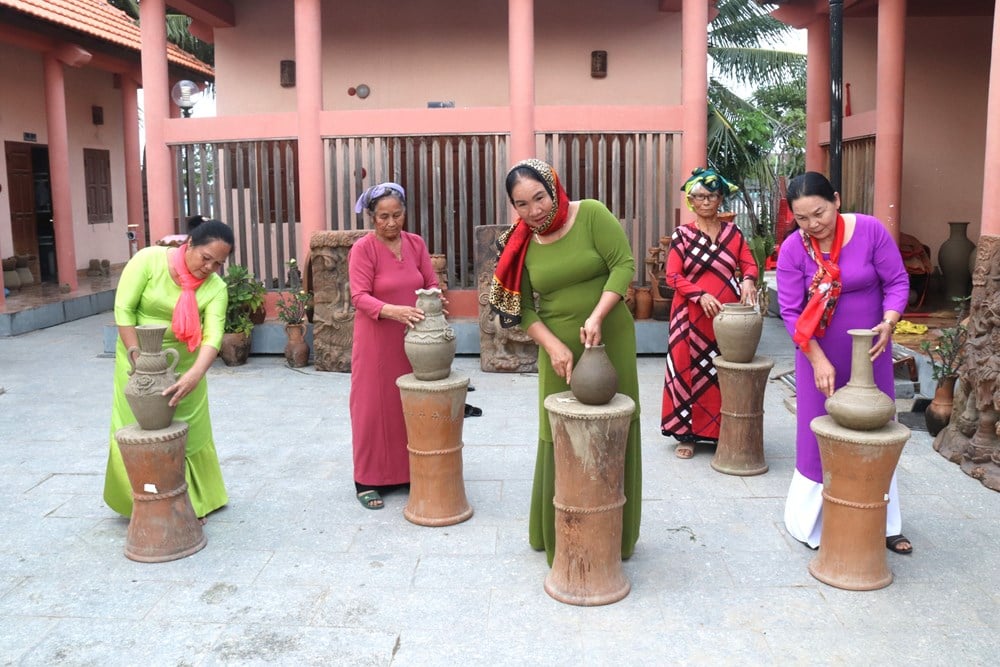
Behind each finished product lies an incredibly elaborate crafting technique, a culmination of the skillful harmony between earth, sand, water, and fire. This journey begins with the rigorous selection of raw materials, where craftsmen extract a highly adhesive, dark gray clay from the Hamu Tanu Lan fields, 4km from the village, and combine it with fine, grit-free sand collected along the Quao River.
The finely crushed clay is soaked in a pit for about 12 hours to loosen it, then mixed with sand in an average ratio of 1:1, with the proportion of sand decreasing as the pottery size increases. The kneading process is meticulous, taking place in two stages: foot kneading (joak lan) and hand kneading (jeh lan) before being shaped into "gourd"-shaped blocks.
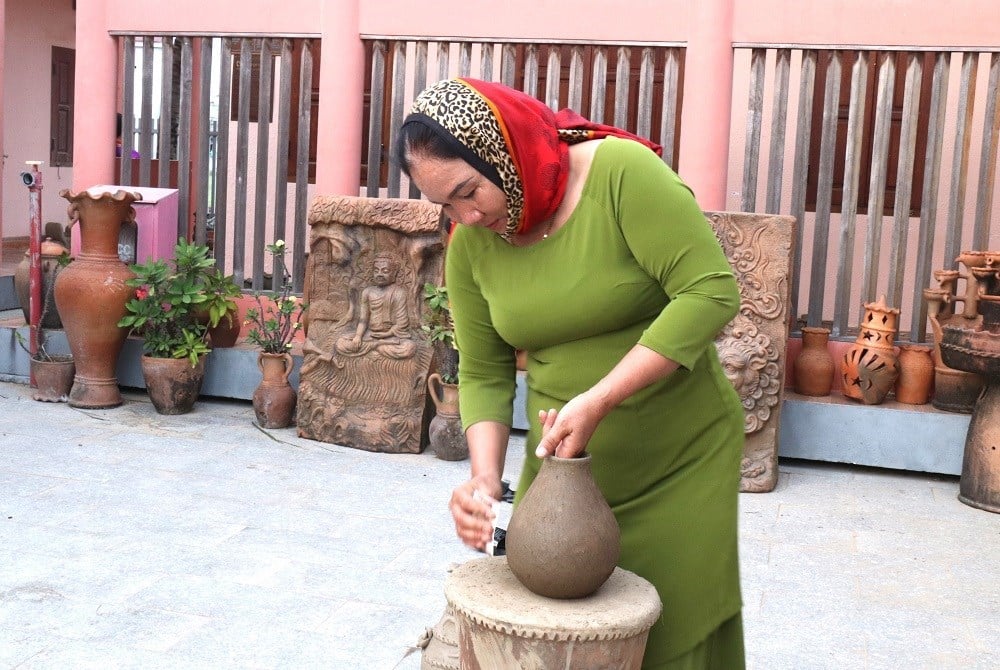
During the shaping process, instead of using a potter's wheel, the potter moves rhythmically backward around the base, using their skillful hands to mold, lift, and connect the "eels" (round lumps of clay) to raise the pottery's shape, with the help of rudimentary tools such as cloth rolls (Panek), stirring rings (Ta khoh), and bamboo scraping rings (Tanuh).
While the pottery blank is still damp (Ngak bingu hala), artisans use seashells, datura flower buds (Pa duk chiek), or bamboo sticks to stamp out sawtooth patterns, raised rope patterns, and botanical motifs that bear the strong spiritual imprint of the Cham people .
Finally, the pottery is fired in an open kiln using firewood, straw, and rice husks for about 4 to 6 hours; the random interaction of temperature and smoke creates a natural fire-transformed effect on the "ceramic coating," resulting in unique colors such as pinkish-red, dark gray streaks, or bluish-brown – something that no artificial glaze can replicate.
What is the way out for heritage facing the risk of disappearing?
Despite its profound artistic and humanistic value, Bau Truc pottery art is facing the risk of extinction. Raw materials are increasingly depleted as the Hamu Tanu Lan clay area and the Quao River sandbanks are being encroached upon for agricultural land, while firewood for firing is scarce due to deforestation policies.
Along with this, there is a disruption in the consumer market as household ceramics are losing ground to cheap plastic and metal products. This situation has pushed some young artisans to pursue commercialized handicraft products, resulting in careless firing, incorrect techniques, and a decline in the reputation of the craft village. More worryingly, the process of concreting and transforming the Collective Exhibition Hall into a mixed agricultural product trading point is gradually encroaching on the cultural heritage space.
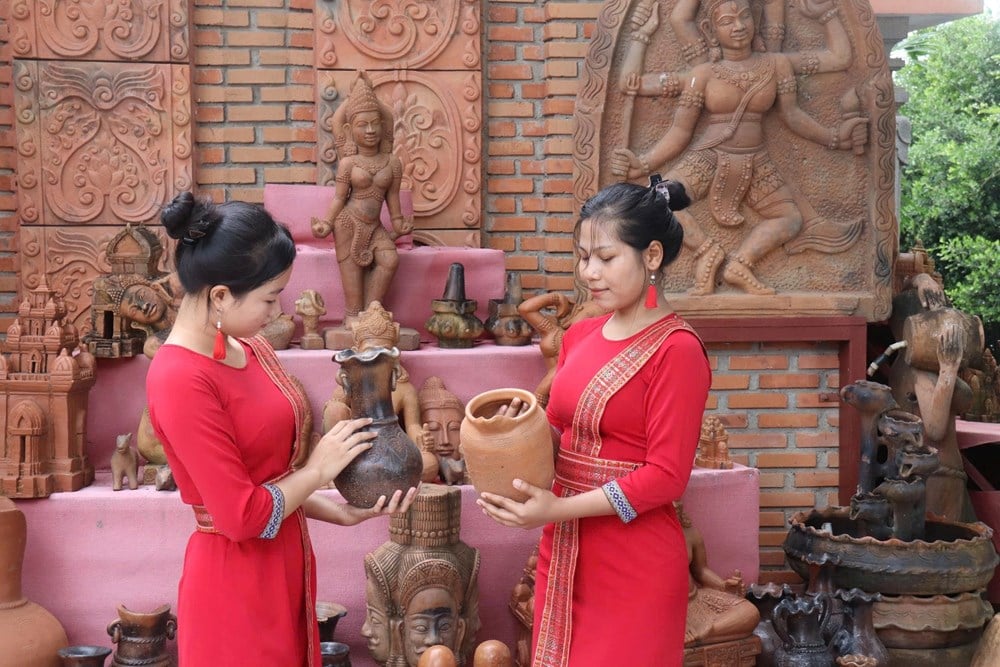
In light of this situation, Master's student Le Xuan Loi emphasized that the fundamental solution is to bring ceramics back into daily life and spiritual spaces through the synchronized implementation of a series of breakthrough solutions.
First and foremost is the planning of raw material and pottery firing areas. It is urgent to designate the 20 hectares of Hamu Tanu Lan clay and the Quao River sand mine as a heritage resource zone managed and exploited seasonally by the village's collective to allow resources to "recover." Simultaneously, the locality needs to establish a concentrated pottery firing area linked to tourism experiences, applying an eco-friendly, mobile kiln model that both protects the environment and serves as a viewing area for tourists.
In addition, there is the challenge of rebuilding the business environment and cultural tourism. The craft village needs to build a "Bau Truc Pottery Road," and plan a centralized parking area so that tourists can fully enjoy the ancient village space on foot. The Cooperative's exhibition hall must be restored to its proper function as a place for preserving, honoring artisans, and teaching the craft, completely eliminating the practice of soliciting or selling unrelated goods.
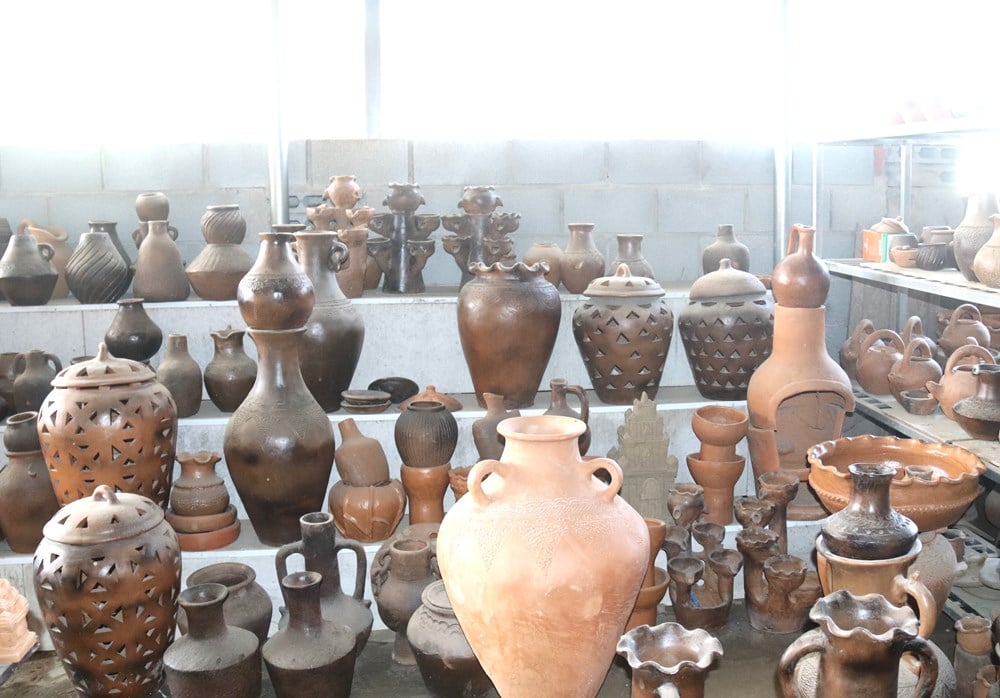
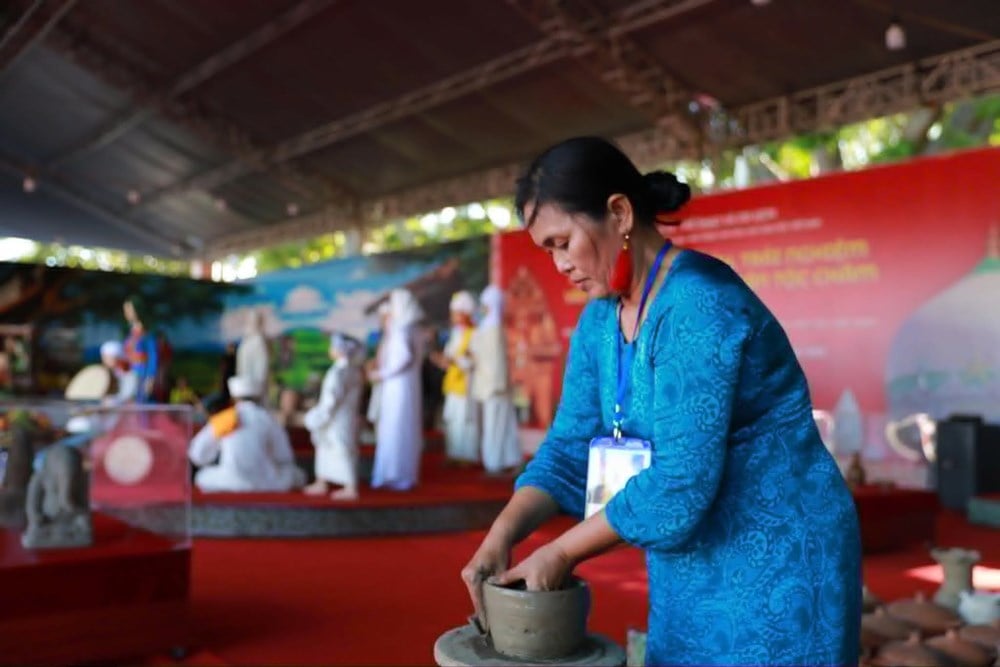
In particular, the core strategy is to "revive" Cham pottery through traditional rituals. The Council of Religious Leaders and the Cham Customs Committee should be encouraged to commit to using ceramic vessels and Bau Truc wine flasks to completely replace single-use plastic bottles in major ceremonies such as Katé, Chabun, and Yuer Yang.
From the craftsmen's perspective, artisans need to proactively re-examine ancient designs at the Cham Cultural Research Center to improve techniques, making pottery more durable and waterproof. Simultaneously, the craft village should revive the custom of placing earthenware jars filled with cool water in front of houses – a humane message of welcoming guests in this sunny and windy region.
The art of Bau Truc pottery making is not only a livelihood but also a "living museum" preserving the cultural memories of the Cham people. This heritage can only thrive with the joint efforts of the government, the community, religious leaders, and the potters themselves, so that the Bau Truc flame continues to burn brightly in every product.
Source: https://baovanhoa.vn/dan-toc-ton-giao/giu-hon-dat-lang-cham-bau-truc-272000.html