
The way Vietnam preserves and promotes its heritage in conjunction with community life and national development orientation left a strong impression on Lazare Eloundou Assomo, Director of the UNESCO World Heritage Centre.
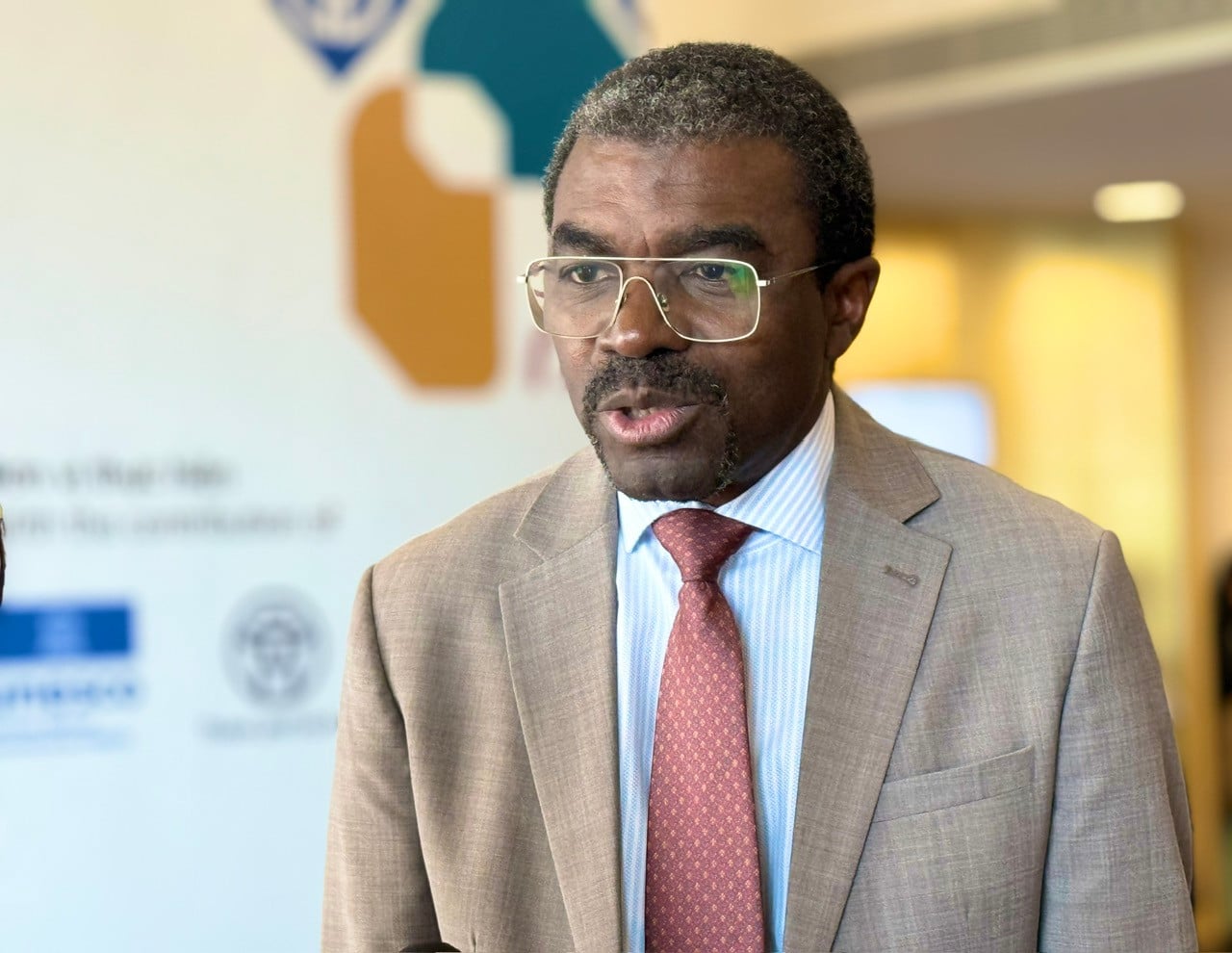
Speaking with Hanoi Moi Newspaper , he said that after the Asia-Pacific Regional Dialogue on Heritage and Authenticity in Hanoi in early October 2026 and the Trang An survey trip, he had the opportunity to see more clearly the diversity and unique characteristics of Vietnamese heritage.
"With nine UNESCO World Heritage sites, Vietnam possesses many heritage values closely linked to its people, and that is what impresses me," said Lazare Eloundou Assomo.
Vietnam has 9 UNESCO-recognized World Heritage sites: the Complex of Monuments of Hue Imperial City (1993), Ha Long Bay - Cat Ba Archipelago (1994, 2000, 2023), My Son Sanctuary (1999), Hoi An Ancient Town (1999), Phong Nha - Ke Bang National Park (2003, 2015), Thang Long Imperial Citadel - Hanoi (2010), Ho Dynasty Citadel (2011), Trang An Scenic Landscape Complex (2014), and Yen Tu - Vinh Nghiem - Con Son, Kiet Bac Scenic Landscape Complex (2025).
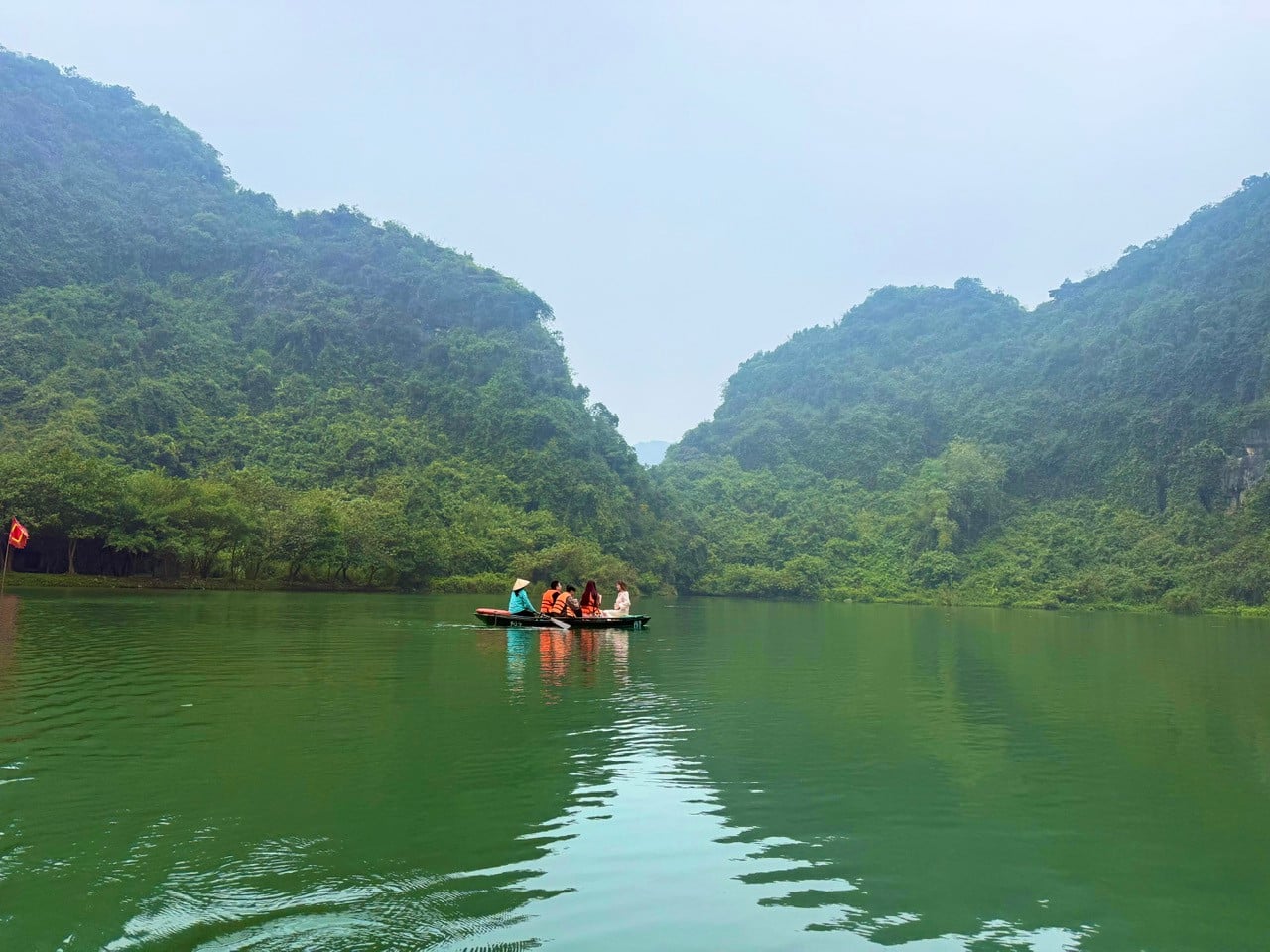
Mr. Lazare pointed out that the case of Trang An clearly demonstrates the relationship between landscape, history, and community. The system of limestone mountains, caves, and rivers preserves traces of human habitation for over 30,000 years and remains a living space and livelihood for the local people.
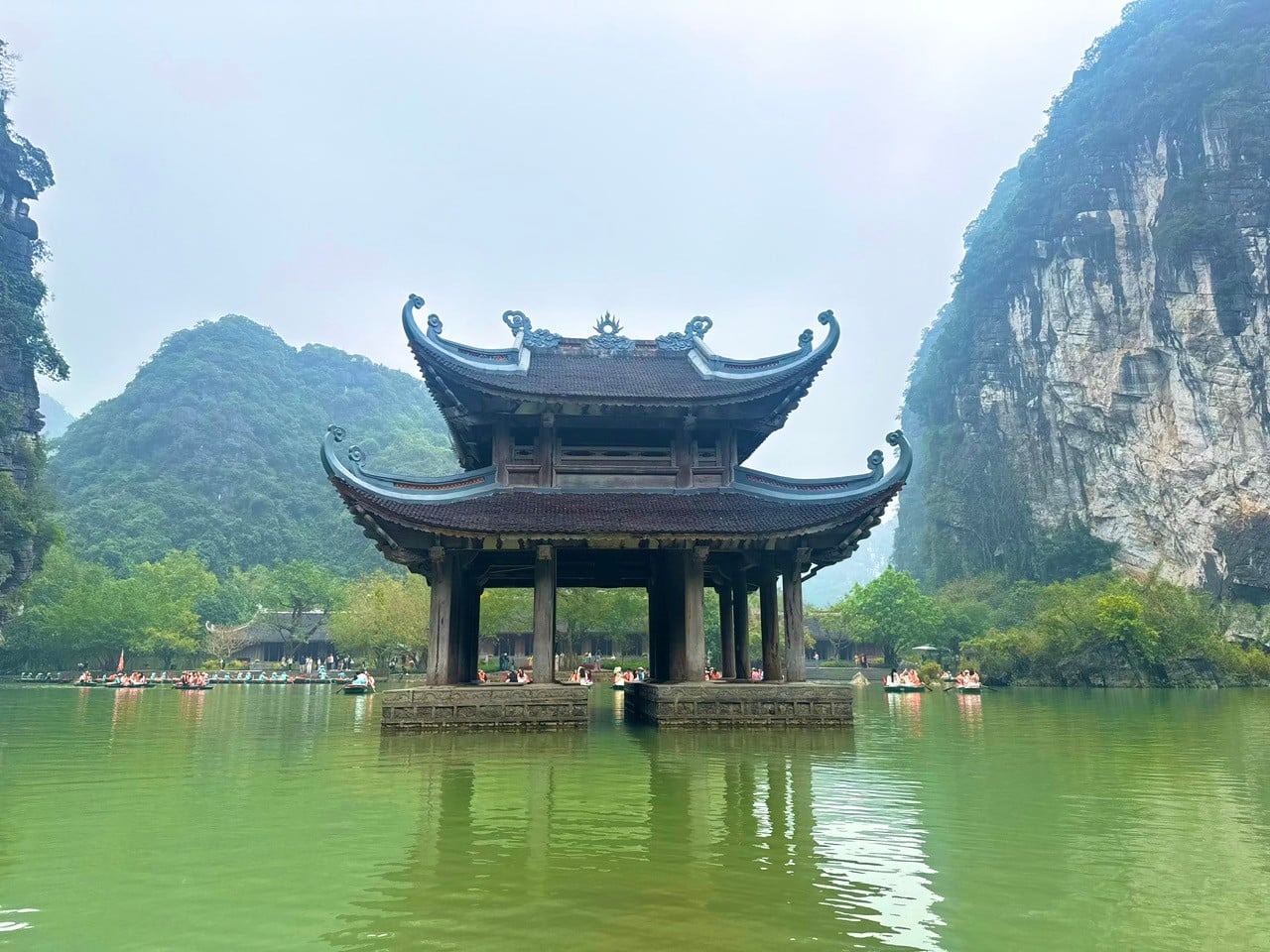
The Director of the UNESCO World Heritage Centre emphasized the prominent role of women in activities related to the heritage site, especially in the preservation of Trang An.
"Trang An is an example of how heritage can support the livelihoods of communities, especially women," he remarked.
He noted that this experience could be shared with many places around the world, especially countries seeking to ensure livelihoods for their people while preserving natural and cultural values. When communities are directly involved in protecting heritage and their livelihoods are linked to it, the responsibility of preservation becomes an integral part of their lives.
Trang An is currently Vietnam's only mixed heritage site inscribed by UNESCO in 2014. The complex, covering 6,226 hectares, is home to approximately 14,000 people, many of whom are families involved in agricultural production. The long-standing relationship between people and the landscape is a crucial element contributing to the value of this scenic area.
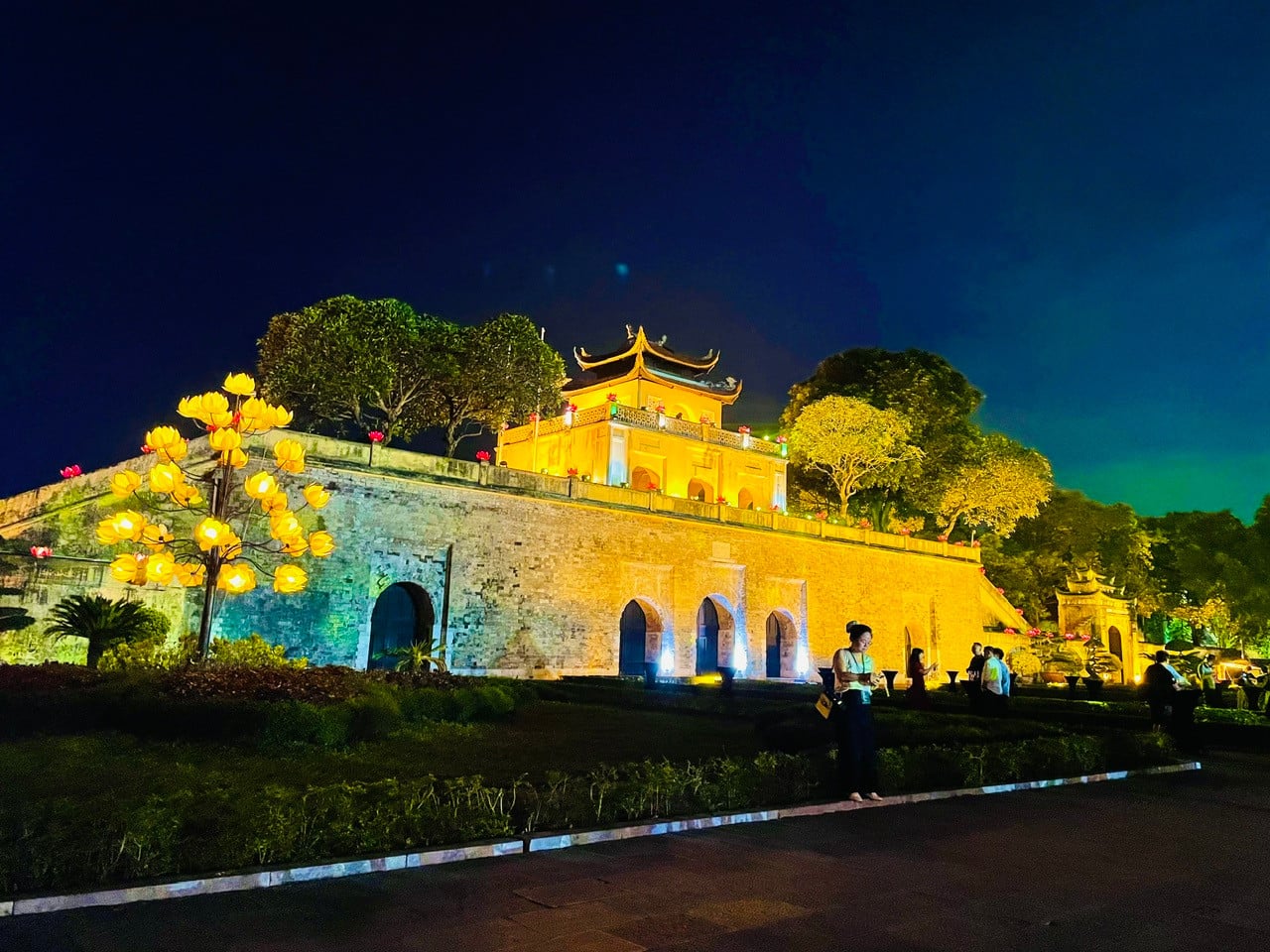
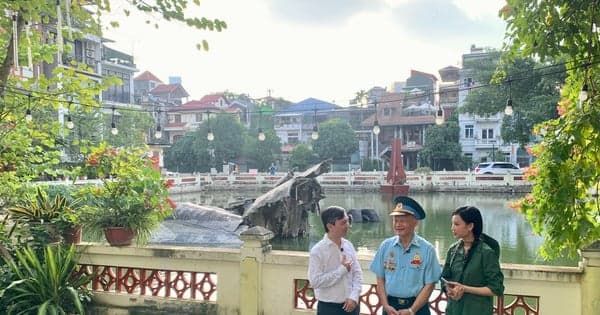
The preservation and promotion of heritage values is also recognized at Thang Long Imperial Citadel , where Vietnam is continuing research on the restoration of Kinh Thien Palace. The Director of the UNESCO World Heritage Center highly appreciated Vietnam's placement of conservation work within its macro-level development orientation, linking it with research, education, and culture in the capital city.
UNESCO has acknowledged Vietnam's progress in systematizing documentation for research into the possibility of restoring the Kính Thiên Palace, while also noting the need to further refine the strategy for archaeology, conservation, and interpretation. With a heritage site located in the heart of Hanoi, conservation is therefore linked to maintaining historical memory and its role in the social and cultural life of the city.
Recalling his exchange with General Secretary To Lam in May 2025, Mr. Lazare said that both sides highlighted the role of culture and heritage in sustainable development. General Secretary To Lam affirmed at the time that culture is an intrinsic strength, the spiritual foundation of society, and a resource and driving force for sustainable development; in which, heritage needs to be preserved and promoted to both safeguard national values and contribute to socio-economic development.
The General Secretary requested UNESCO and the World Heritage Center to continue supporting Vietnam in the preservation and promotion of World Heritage sites, including the restoration of the Kính Thiên Palace and the main hall of the Thăng Long Imperial Citadel.
Mr. Lazare emphasized that he shares the vision of promoting the role of culture and heritage in sustainable socio-economic development, and affirmed that UNESCO will continue to accompany and provide professional support to Vietnam.
"Vietnam is an important, reliable, active, and effective strategic partner that makes substantial contributions to UNESCO cooperation," he said, while also assessing Vietnam as a model in preserving and promoting heritage values with many initiatives and management models that can be referenced by other member states.
Expanding the voices of regions within the World Heritage site.
As the first African to lead a UNESCO World Heritage Centre, Lazare is particularly concerned with balance within the World Heritage List.
"More than 50 years after the World Heritage Convention was adopted, one of the issues that concerns me is how to ensure the representation of all regions of the world on the World Heritage List," he affirmed.
In Africa, UNESCO supports countries in enhancing their professional capacity and identifying underrecognized values, including heritage that is not necessarily a large structure but could be a sacred forest, a river, a mountain, or a small village.
In Vietnam, he also saw this in two very different spaces: Trang An combines natural landscapes and the lives of the people, while Thang Long Imperial Citadel preserves layers of history amidst a developing city.
"What Vietnam has done is very significant," said Mr. Lazare.
Source: https://hanoimoi.vn/giam-doc-unesco-an-tuong-voi-cach-viet-nam-phat-huy-gia-tri-di-san-1759514.html