
Strategic location, aligned with development orientation.
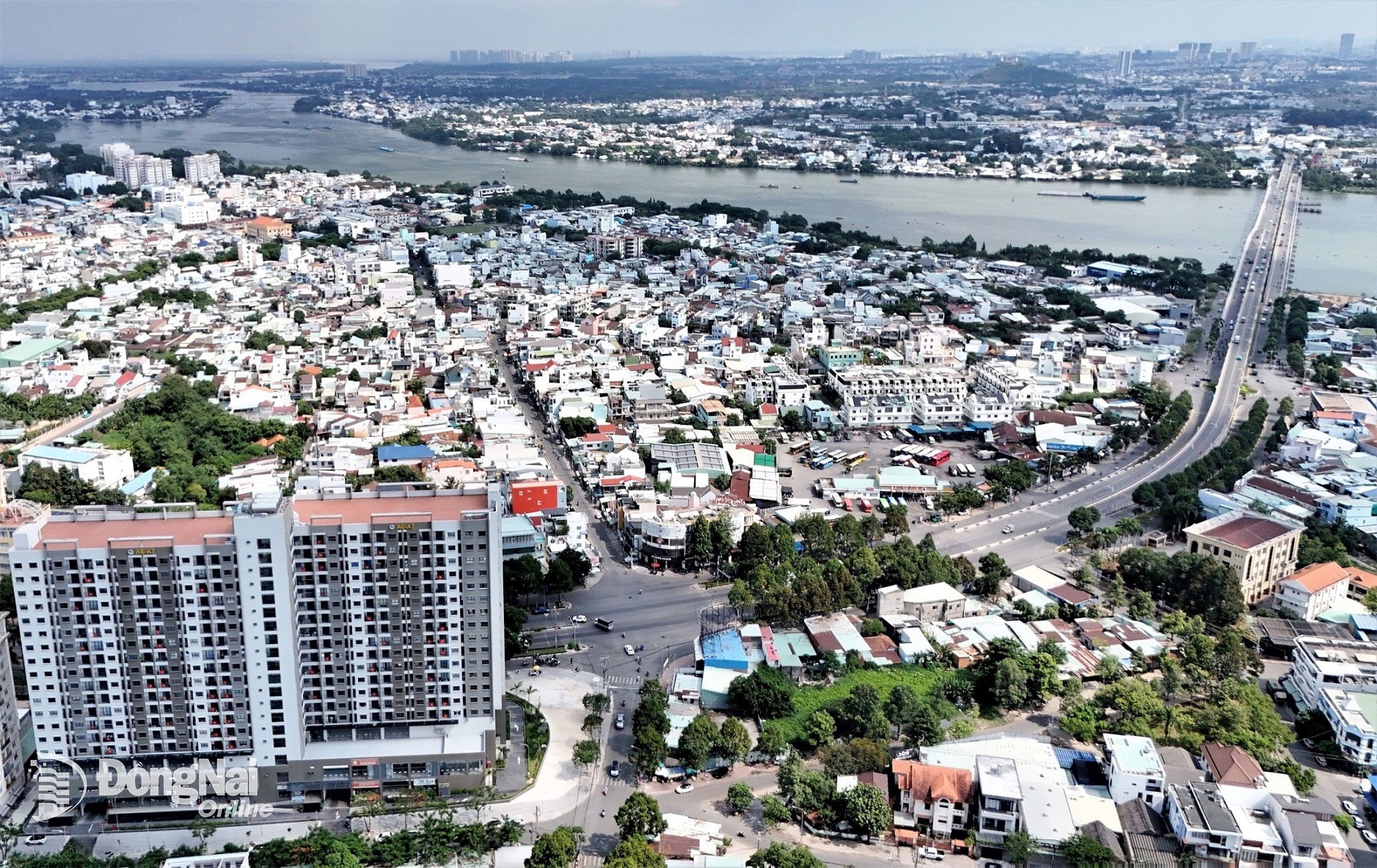 |
| A view of Tran Bien ward, Dong Nai city. (Archival photo) |
According to Article 3 of the decree, communes, wards, and special zones are considered for recognition as special economic zones when they fully meet the criteria stipulated in Clause 1, Article 43 of the Law on Urban Development, as detailed in Clauses 2, 3, and 4, Article 3 of Decree No. 378/2026/ND-CP.
First and foremost, the area under consideration for recognition must meet the criteria of having a strategic location, being consistent with the socio-economic development orientation, and ensuring national defense and security.
The decree stipulates that this criterion is considered met when all requirements are simultaneously ensured.
Accordingly, communes, wards, and special zones must belong to provinces or cities identified as national growth poles or dynamic regions, including dynamic regions that are being gradually developed and formed in the national master plan; or belong to provinces or cities identified as growth poles, dynamic areas, or economic centers of a region in the regional plan.
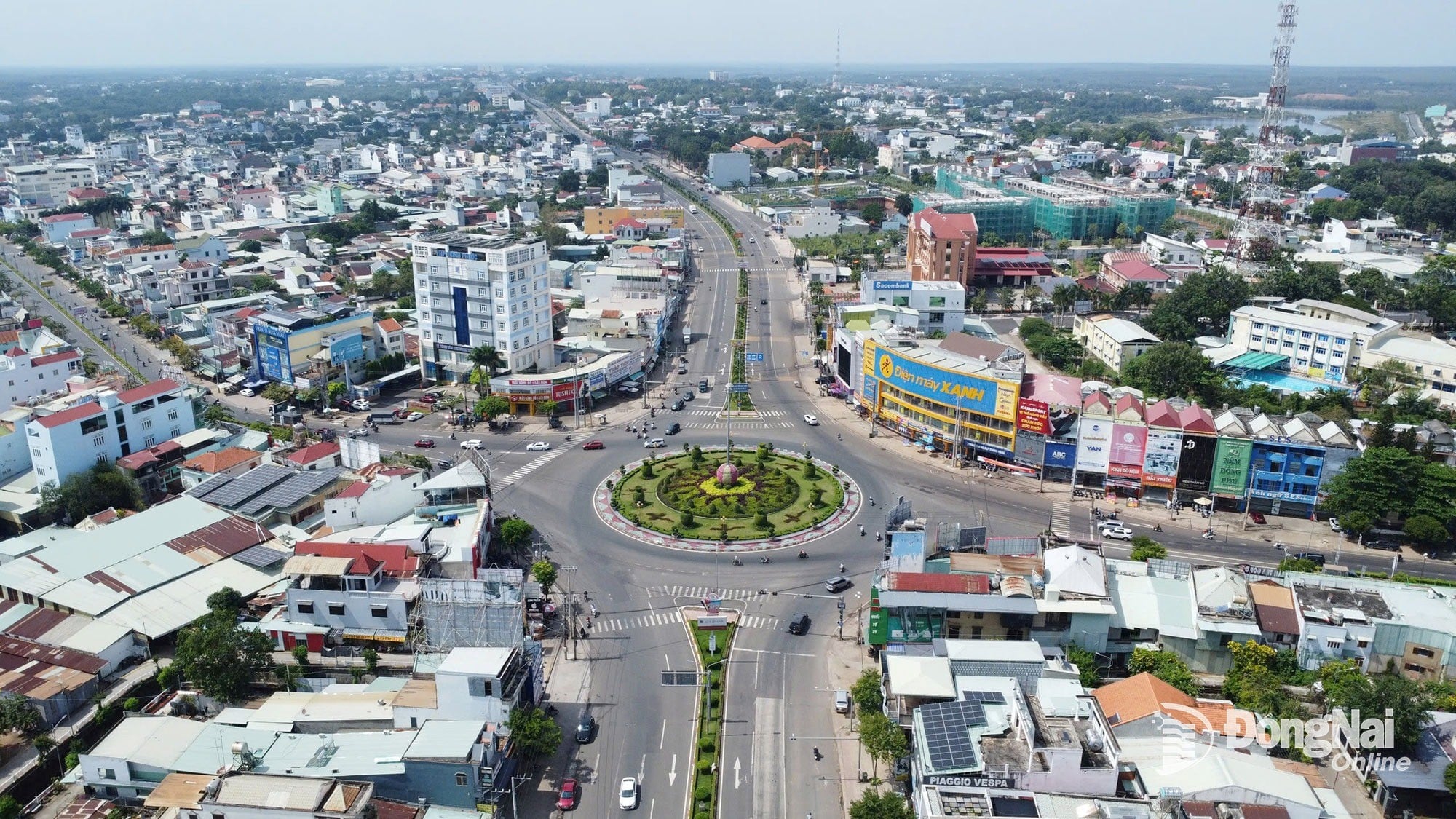 |
| A view of Binh Phuoc ward, Dong Nai city. (Archival photo) |
In addition, the area under consideration must be identified as a growth pole, the core of a dynamic region, an economic center, or a coastal economic zone of the province or city in the provincial plan, the city master plan, and other plans.
Another requirement is to ensure its position and role in the national defense and security strategy, protecting sovereignty over borders, seas, and islands.
Thus, the criterion of strategic location is considered not only from the perspective of socio-economic development but also in relation to national defense and security requirements and the protection of sovereignty. At the same time, the location of the area must be determined within the corresponding planning levels, from national master plans and regional plans to provincial and city master plans.
*Requirements regarding airports, seaports, and geographical scale
 |
| Long Thanh Airport officially welcomed its first passenger flight on December 19, 2025. Photo: Pham Tung |
Another criterion for considering the recognition of a special economic zone is the presence of an international airport or a seaport of class I or higher.
According to Decree No. 378/2026/ND-CP, the criterion of having an international airport or a seaport of type I or higher is considered met when one of the specified facilities is located within the administrative boundaries of the commune, ward, or special zone.
Specifically, this refers to international airports or special seaports, or Type I seaports according to the seaport classification list.
This regulation directly defines the infrastructure requirements within the administrative boundaries of the unit being considered for recognition. Accordingly, the area must have one of the two types of infrastructure mentioned above to meet the criteria.
Besides requirements for aviation and maritime infrastructure, the decree stipulates criteria for relatively independent, easily controllable spaces with large populations and natural areas.
This criterion must be met simultaneously with specific requirements. Firstly, the location must have a relatively independent space that is easy to control, as stipulated in Clause 5, Article 3 of Decree No. 378/2026/ND-CP.
Secondly, the population size must be 50,000 or more.
Thirdly, the natural area must be 500 km² or more.
Unlike criteria related to strategic location and infrastructure, this set of criteria sets specific quantitative requirements regarding population and area, in addition to requirements concerning spatial characteristics.
According to regulations, all three requirements must be met simultaneously. This means that meeting the population or area requirements individually is not enough to satisfy this criterion; the area must also have relatively independent space that is easy to control according to regulations.
The criteria stipulated in Article 3 are the basis for considering the recognition of communes, wards, and special zones as special economic zones. The consideration must ensure that all criteria as prescribed by the Law on Urban Development are met and further specified in Decree No. 378/2026/ND-CP.
*Regulations on application documents and procedures for recognition
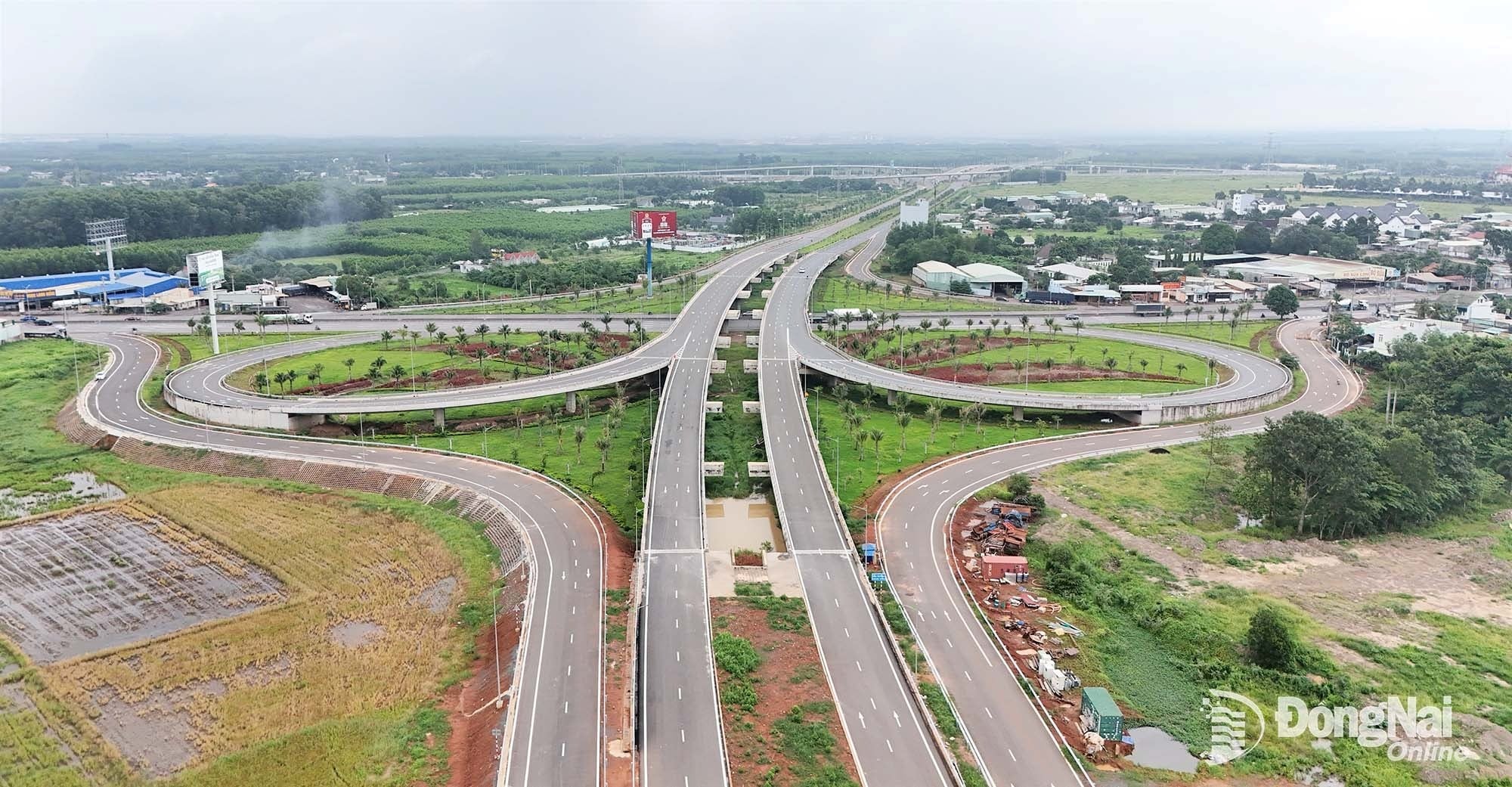 |
| The transportation routes connecting to Long Thanh Airport are being invested in and constructed by Dong Nai city in coordination with relevant units and localities to serve operations when the airport becomes operational. Photo: Pham Tung |
In addition to specifying criteria, Decree No. 378/2026/ND-CP also stipulates the procedures for requesting recognition of a special economic zone.
According to Article 5, after obtaining the opinion of the competent authority as prescribed in Clause 2, Article 43 of the Law on Urban Development, the Provincial People's Committee shall submit to the Provincial People's Council for approval the plan to recognize the special economic zone.
The submitted dossier includes several documents, including a submission from the Provincial People's Committee regarding the project dossier, in accordance with Form No. 01 in Appendix I issued with the decree.
The dossier also includes a draft resolution of the Provincial People's Council approving the plan to recognize the special economic zone.
Along with that is the draft resolution of the Government recognizing the special economic zone according to Form No. 03 in Appendix I issued with the decree.
Another component of the dossier is the written approval of the policy from the competent authority as stipulated in Clause 2, Article 43 of the Law on Urban Development.
Specifically, the application dossier must include a proposal for the recognition of a special economic zone, comprising: the political basis, legal grounds, practical considerations, and necessity. It should also provide an overview of the proposed special economic zone: geographical location, boundaries, natural area, and population size; and an assessment of the current state of the administrative unit regarding socio-economic development, technical infrastructure, social infrastructure, resources, environment, national defense and security, and organizational structure.
The suitability of recognizing special economic zones with socio-economic development strategies and plans, national-level plans, regional plans, provincial plans, and related plans.
The assessment content meets each criterion for recognizing a special economic zone.
The content of the impact assessment and development orientation of an administrative unit after being recognized as a special economic zone includes: assessing the impact on the economy, society, environment, national defense and security, foreign relations, organizational structure, and the impact on adjacent administrative units and the entire province/city; assessing the impact on the state budget, including: forecasting state budget revenue and expenditure in the area; factors that increase, decrease, or shift revenue sources, including the impact of applying mechanisms and policies to special economic zones as stipulated in the Law on Urban Development; ensuring national financial security and safety and the leading role of the central budget as stipulated in the law on the state budget...
Hai Thanh
Source: https://baodongnai.com.vn/chinh-tri/202610/chinh-phu-quy-dinh-cac-tieu-chi-cong-nhan-khu-kinh-te-dac-biet-ra-sao-92e4313/