The festival begins with the traditional water procession from the Cau River to Ngo Dao communal house, followed by the reading of the ceremonial address and the offering of incense to commemorate the Three Holy Saints (Truong Hong and Truong Hat) – two generals who made great contributions to the resistance against the Liang invasion in the 6th century.
The water procession ritual not only demonstrates the principle of "drinking water and remembering the source," showing reverence for ancestors, but also contributes to preserving the traditional culture associated with the local riverine landscape.

Within the framework of the festival, many cultural and sporting activities and traditional competitions were organized, attracting the participation of a large number of people. Highlights included the traditional rice cooking competition and the beautiful offering tray competition. The elaborately prepared offering trays, featuring sticky rice, chicken, and decorative flowers, expressed the people's reverence for the Holy Saint Tam Giang.
On this occasion, the People's Committee of Da Phuc commune also announced and presented the Decision to rank 18 historical sites in the area as city-level relics. This is an important milestone, contributing to recognizing the historical and cultural value of the relics, and at the same time creating more resources for the locality to preserve and promote the heritage.

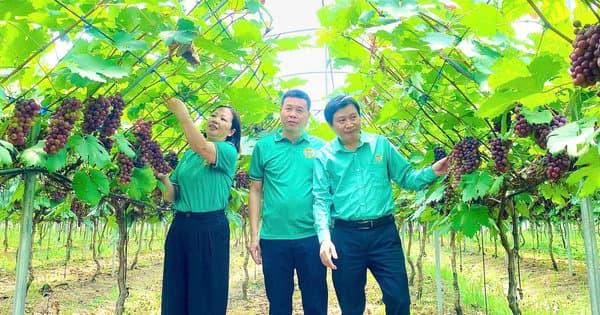
Besides cultural rituals and activities, the festival also features exhibition spaces showcasing images and documents about culture and green tourism; introducing OCOP products, agricultural products, and characteristic handicraft products. These activities contribute to promoting the image and tourism potential of the locality and fostering local economic connections.
Previously, Da Phuc commune had organized several sports activities such as recreational volleyball and gateball, creating a playground for interaction, strengthening community bonds, and encouraging people to improve their health.
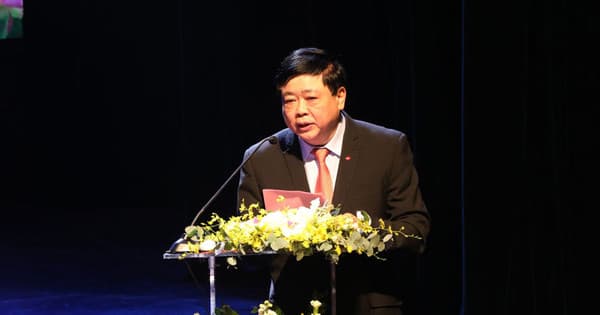
Speaking at the opening ceremony, the Chairwoman of the People's Committee of Da Phuc commune, Do Thu Nga, said that currently, there are 92 historical sites in the commune, of which 41 have been classified. This is a valuable cultural resource, creating a foundation for the locality to develop tourism associated with the preservation and promotion of heritage.
According to Ms. Do Thu Nga, to effectively exploit this potential, the commune will focus on enhancing the responsibility of departments, agencies, and the people in the management and protection of historical sites; at the same time, it will promote environmental hygiene, landscape care, planting more trees, and protecting cultural works.
The local authorities also aim to develop each village into a unique, friendly, and civilized community space; encouraging residents to adopt civilized lifestyles and abide by the law . These are crucial elements in building a green, safe, and attractive tourism environment.
“In the coming time, Da Phuc commune will continue to improve its cultural and nature-based experiential tourism products, focusing on the people; considering traditional culture and natural landscapes as core values and shared assets that need to be preserved, and as a foundation for local economic development,” Ms. Do Thu Nga emphasized.
The Chairman of the People's Committee of Da Phuc commune also affirmed that the traditional festival honoring the Holy Saint Tam Giang is not only a cultural and religious activity to commemorate the contributions of our ancestors, but also an opportunity for generations of people to meet, interact, strengthen national unity, and work together to preserve and promote the cultural identity of their homeland.