
Focus on 6 cultural industries
In its new development space, Da Nang has many favorable conditions to form a cultural industry ecosystem linked to tourism , technology, and creative industries. The city recognizes this not only as a direction to promote heritage values but also as a potential new growth engine.
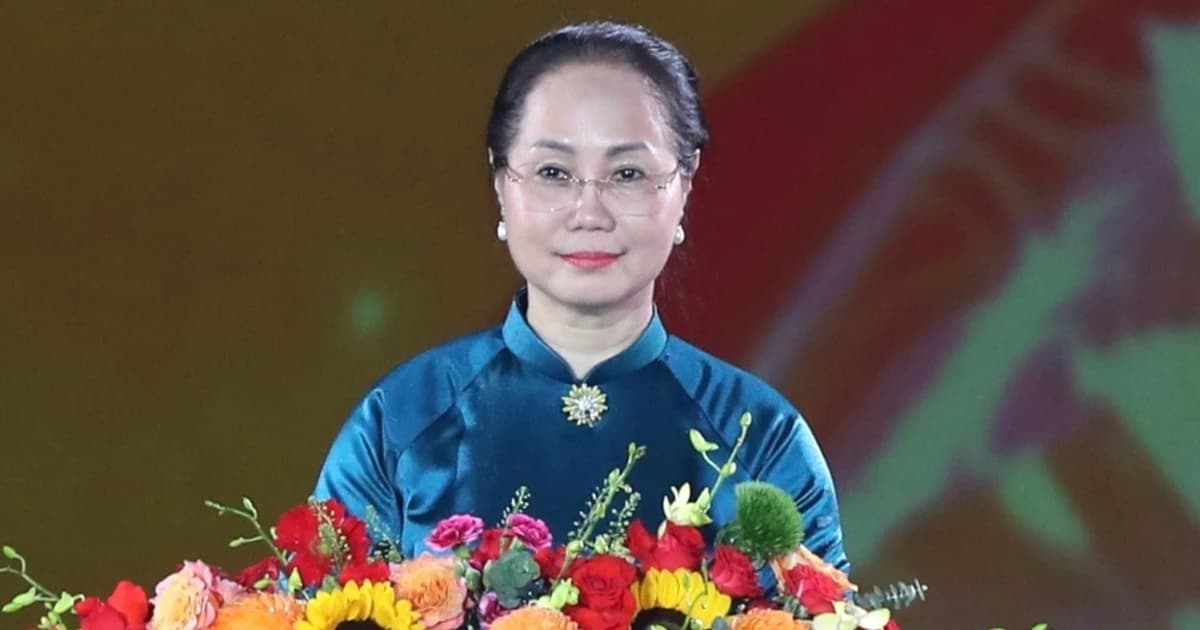
Ms. Nguyen Thi Anh Thi, Vice Chairman of the Da Nang City People's Committee, believes that the locality possesses many advantages to become an attractive destination for creative industries. However, the current bottleneck lies not in the potential, but in the ability to transform that potential into competitive products. "It's not just about organizing events and festivals, but about creating products; it's not just about attracting tourists, but about forming a market; it's not just about creating trends, but about generating revenue and added value," Ms. Anh Thi emphasized.
Accordingly, Da Nang focuses on developing six key cultural industries: performing arts, film, fine arts and exhibitions, cultural tourism, digital content, and handicrafts. These are fields with the potential to create concrete products, form markets, and have significant room for growth based on the city's existing strengths.
Associate Professor Dr. Nguyen Thi Thu Phuong, Director of the Vietnam Institute of Culture, Arts, Sports and Tourism, believes that the new development space opens up conditions for Da Nang to form an integrated creative economic ecosystem. Advantages in tourism, technology, film, events, and digital content can be connected with the system of heritage sites, traditional crafts, and folk art. Hoi An , as a member of the UNESCO Creative Cities Network, creates further room to connect heritage with creativity, technology with culture, content production with tourism, services, and markets.
According to Ms. Phuong, from a growth perspective, it is crucial to transform existing advantages into added value, productivity, and competitiveness of cultural industries. To achieve this, Da Nang needs to build a unified measurement system and baseline within the new administrative space, thereby defining growth targets and selecting drivers capable of creating additional value.
Furthermore, the creative economy needs to be organized along value chains and ecosystems, rather than allowing industries, projects, and development spaces to develop in a fragmented manner. The State plays a facilitating role in terms of institutions, data, and shared infrastructure; businesses, artists, artisans, communities, and creative entities participate in investment, production, and commercialization of products. The exploitation of culture and heritage must also go hand in hand with protecting core values, maintaining the vitality of the communities involved, and reinvesting a portion of the economic value in conservation, creativity, and sustainable development.
Leveraging festivals and heritage to create year-round products.
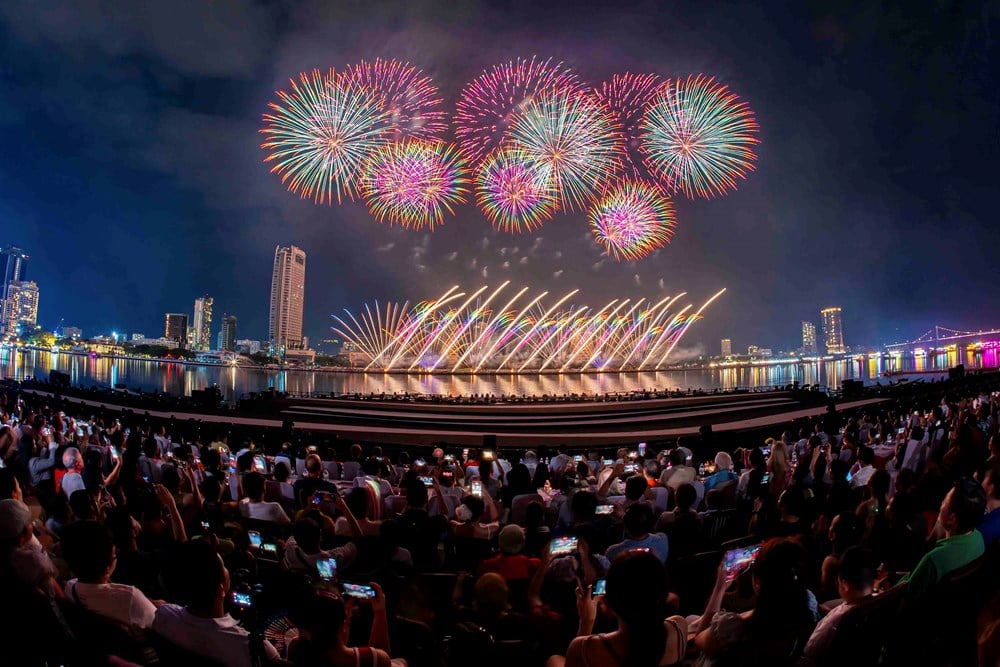
From a business perspective, Mr. Nguyen Van Binh, Chairman of Sun Group Central Region, believes that Da Nang has the foundation to build festival brands with widespread appeal. The Da Nang International Fireworks Festival (DIFF) has become an "international meeting," driving the development of aviation, accommodation, cuisine, commerce, and the night-time economy. The fact that DIFF was selected by Travel + Leisure magazine as one of the Top 9 most worthwhile summer festivals on the planet in 2026 demonstrates the brand's strong appeal.
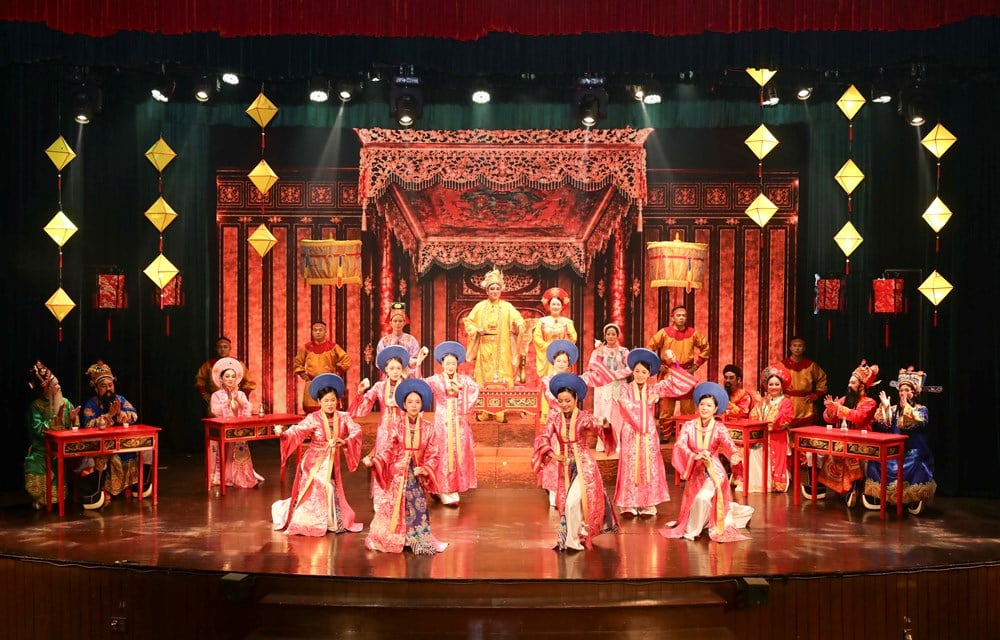
Building on that success, Da Nang can continue to elevate the DIFF (Da Nang International Fireworks Festival), while also promoting festivals rooted in local cultural life, scheduling them during periods when the city is less crowded to create a year-round cultural event. One proposal is the Vietnamese Tet (Lunar New Year) festival in Hoi An, aiming to build a traditional Tet festival of international stature in January-February each year, featuring a Tet market, flower streets, lantern streets, traditional folk theater, cuisine , and art programs themed around the Vietnamese Tet.
The proposed development of the Spring Festival at Ngu Hanh Son, building upon the Quan The Am Festival, aims to create an international Buddhist cultural and sculpture festival in March-April. Along with cultural exchange activities, an annual international stone sculpture workshop could generate more artworks for the area at the foot of Ngu Hanh Son, while also expanding the market for Non Nuoc stone carving.
By September-October, the Cham Heritage Week is expected to highlight the value of My Son and the Cham Sculpture Museum, while also contributing to extending the tourist season. Activities may include a nighttime live art performance at My Son, exhibitions, international seminars on Cham culture, and programs featuring music, cuisine, and handicrafts of the Cham community.
Not only relying on seasonal festivals, Quang Nam traditional opera, Bài Chòi folk singing, Co Tu culture, or the Fishing Festival can also become material for regular performances at the city's cultural institutions, even during the rainy months. "Seasonal festivals and regular performances complement each other; Da Nang truly has a cultural industry, not just seasonal festivals," Mr. Binh shared.
From orienting the development of six key cultural industries to building product chains, brands, and markets, Da Nang is aiming to transform its cultural advantages into more concrete values for the economy. The focus for the next phase, therefore, is not on increasing the number of events, but on the ability to create commercially viable products, form markets, and retain more local value. To achieve this, the city needs a sufficiently favorable environment for businesses, artists, artisans, and the community to participate more deeply in the entire process of creation, production, and bringing products to market.
After the festival season, the most significant impact remains on urban life: new products, job opportunities, expanded cultural spaces, and heritage further enriched by innovation. When these elements connect with tourism, technology, services, and the night-time economy, the cultural industry truly creates a sustainable driving force for development.
Source: https://baovanhoa.vn/van-hoa/sau-nhung-mua-le-hoi-271513.html