
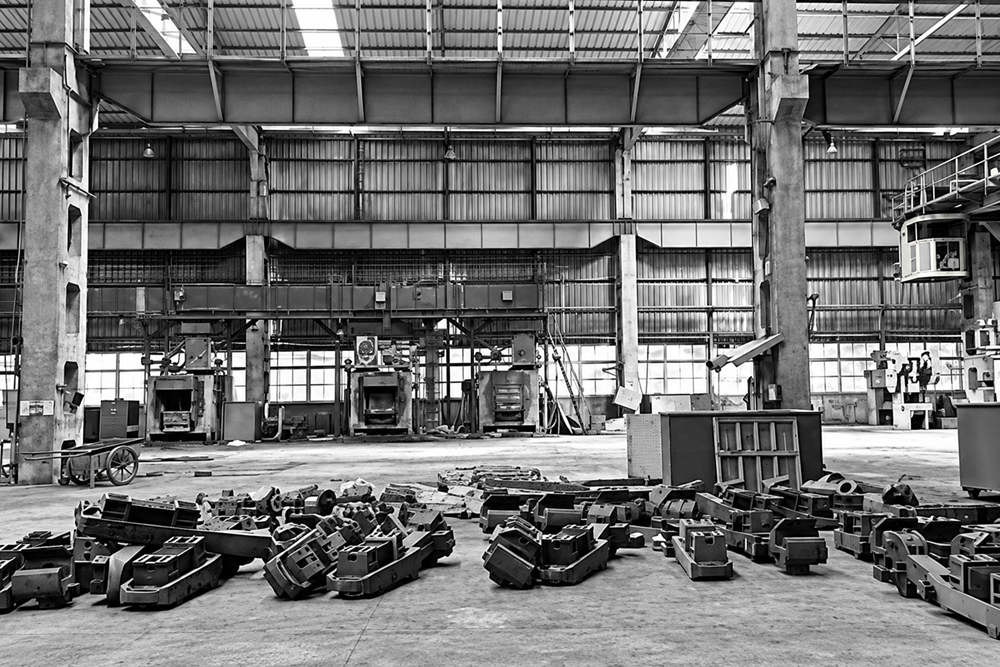
In an article published on May 29, 2026, UNESCO reviewed the process by which a portion of the Gia Lam Railway Factory was used for the Hanoi Creative Design Festival 2023. Structures and machinery were preserved, the space was cleaned, additional exhibits were added, and it was opened to the public. The documentation shows how measured intervention can transform an industrial site into a cultural experience.
What's noteworthy is the collaborative process. Creative teams had to work with the railway unit, local authorities, and technical personnel, adapting ideas to the limitations of the location. For young people, it was an opportunity to learn a trade in a multi-stakeholder environment. The value created included skills that are less visible in festival photography.
Vitality lies in its inner workings.
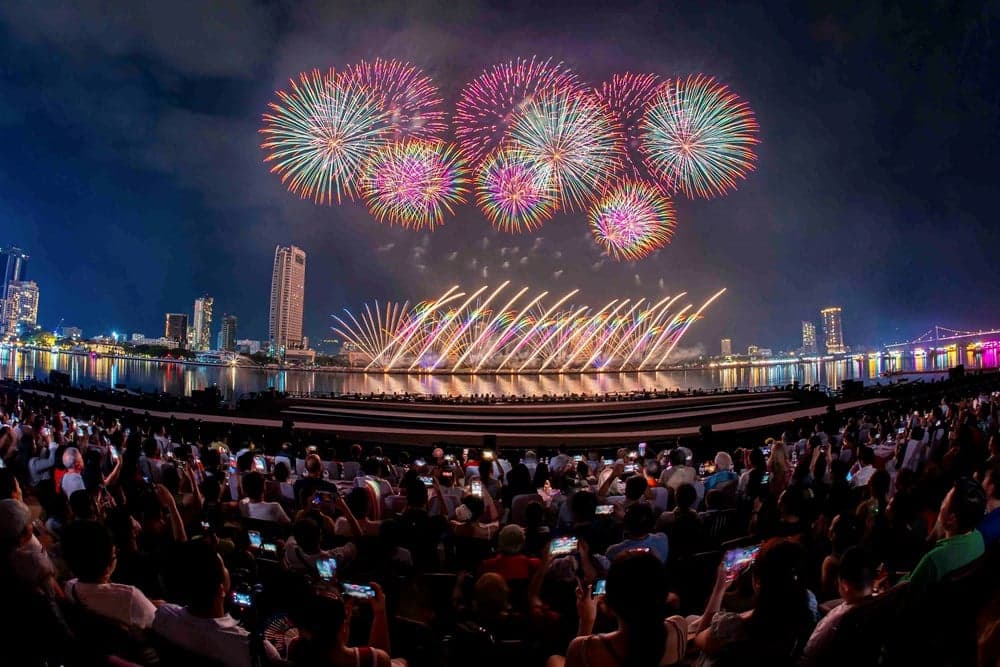
According to information from the Organizing Committee, the Hanoi Creative Design Festival 2023 attracted 200,000 visitors at the Gia Lam Railway Factory and sold 26,000 experiential train tickets. These figures reflect the appeal during the festival period. However, they are not sufficient to conclude that the location has a regular operating model or stable financial efficiency.
The gap between a successful event and a sustainable institution lies in the work done in the days that follow. Who organizes the content, what revenue sources fund operations, is the schedule consistent, and will the public return? These questions need to be asked right from the start when developing investment plans or functional transformations.
A theater needs works, actors, a technical team, and a network to bring audiences. A museum needs research, collection, preservation, exhibition, education , and public services. An exhibition center needs curatorial capacity, trade organization, and event management. Although all are cultural projects, the human resource structure and the way value is created differ. Therefore, the construction area and investment capital only reflect a part of the input. The effectiveness of use also depends on how well it suits the needs. A location might serve many medium-scale activities well, while a larger project might require maintenance costs exceeding the market's and the operator's capabilities.
The operational plan needs to be considered alongside the engineering design. Entrances and exits, acoustics, storage, the possibility of spatial changes, and accessibility all impact long-term costs. When operators are only involved after the project is completed, shortcomings may be difficult to rectify and reduce usability.
With industrial heritage, the challenge also lies in identifying the values that need to be preserved. The appeal of an old factory may lie in its structure, machinery, the memories of its workers, and its connection to the surrounding community. Appropriate interventions help to better understand these layers of value; excessive changes can cause the site to lose what makes it unique.
From a management perspective, the objectives of each institution need to be clearly defined. Institutions prioritizing community service require corresponding resources and targets. Institutions capable of providing commercial services need appropriate business plans. The combination of these two objectives must have a transparent mechanism to ensure both public interest and financial accountability are protected.
What criteria are used to evaluate an institution?
We can start with six groups of questions: Are activities regular and functionally appropriate? Which public is served? What new products are created? How is the team developed? Are costs and revenue transparent? How does the community benefit? Capacity utilization should be considered alongside quality, not simply counting the number of days open. An institution serving education, conservation, or a disadvantaged group must be evaluated according to its corresponding public benefit. Revenue is an indicator, not a replacement for the entirety of cultural objectives.
Nurture creativity, build trust.
A vibrant space is often associated with people who know how to organize their work. Curators choose how to place the artwork in relation to the public; production managers connect schedules, budgets, and personnel; technicians transform ideas into operational experiences. These professions need to be recognized as core components of the cultural economy .
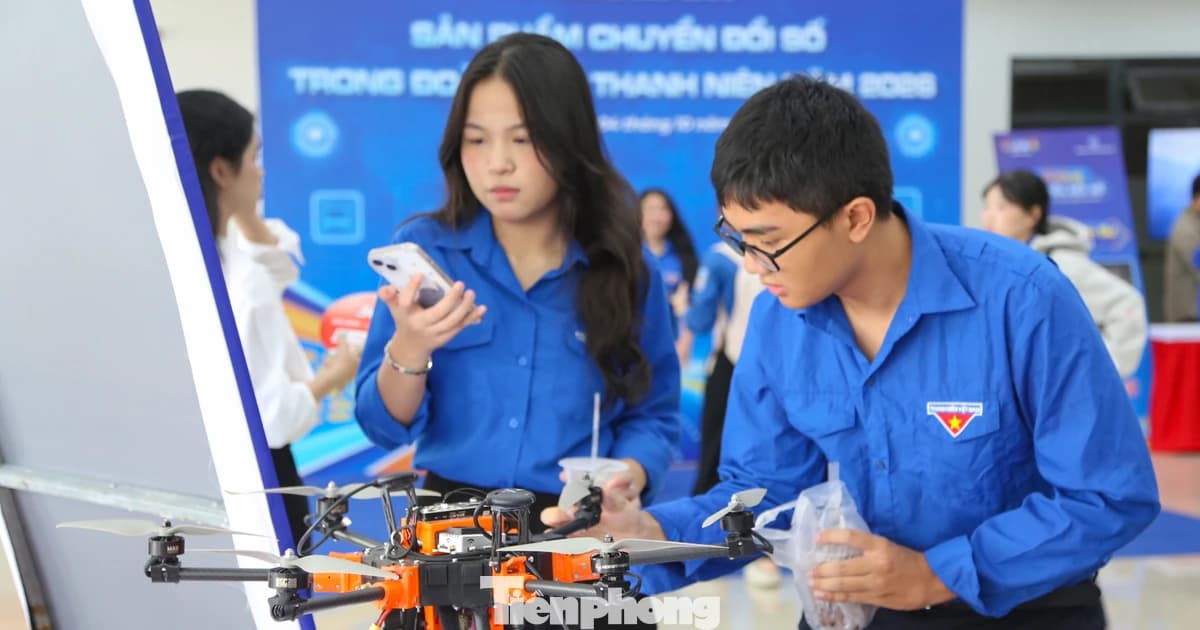
Training, therefore, must be based on real-world production processes. Learners need to know how to prepare cost estimates, read technical requirements, create authorization documents, coordinate teams, and handle feedback. Practical projects under appropriate guidance help them understand that creativity always comes with constraints of time, location, budget, and responsibility.
UNESCO documentation on Gia Lam shows that collaboration between creators and management units can become a learning environment. Based on this case study, we can propose a way to organize internships linked to institutional activities: clearly defined tasks, mentorship, and post-project competency assessment. Experiences will be more valuable if they are translated into knowledge applicable to subsequent work.
Retaining talented employees requires reliable working conditions. Clear contracts, fair compensation, timely payments, and recognition of contributions help professionals take control of their lives. When jobs rely solely on connections and unverified promises, employees must dedicate additional resources to protecting themselves.
This is also where business culture impacts efficiency. Early notification of a change helps the engineering team avoid rework; clear feedback processes reduce disputes; and clearly defined accountability enables timely decision-making. These specific behaviors can reduce coordination costs, although they are difficult to quantify immediately as a contribution to GDP.
Honesty about capabilities and budgets also helps the market allocate resources better. Suppliers know what requirements they need to meet, creators know project limits, and partners have a basis for assessing risk. An environment that fosters ambiguous pricing, arbitrary use of work, or shirking responsibility will cause serious businesses to incur additional costs. Work discipline does not stifle creativity. It creates a space for professionals to experiment within agreed-upon limits. Unpredictable situations require adjustment mechanisms; fundamental obligations such as safety, payment, and respect for the rights of all parties must be consistently fulfilled.
Furthermore, the cultural unit needs to preserve its organizational experience. After each project, technical documentation, public feedback, and operational lessons should be compiled for the next team to use. If everything starts from scratch when someone changes in charge, the training resources and accumulated experience will be difficult to translate into productivity.
Connecting for creative output
An institution can become a connecting point between training schools, businesses, creators, and the public. The condition is that collaboration creates concrete jobs. Schools have a place for practice, businesses have opportunities to find talent, creators have a place to showcase their products, and the public has access to relevant activities.
Local authorities can develop a common activity schedule and publicly announce the availability of venues. Information on scale, equipment, technical requirements, cooperation conditions, and contact persons helps reduce search time. Transparency also creates opportunities for new teams, rather than just those with established relationships.
Social resources need to be attracted through a clearly defined collaborative plan. Investors need to know the scope of exploitation, their obligations to serve the community, and their responsibilities for maintaining the asset. The managing party must be able to monitor quality and protect public interests. A project with multiple activities may not be effective if agreements restrict access for the groups that need to be served.
The press plays a vital role in this connection. Information about programs, ticket prices, schedules, and the value of the works helps the public make choices. Market analyses, operational models, and bottlenecks provide knowledge for professionals. Monitoring results after commitments contributes to increased accountability of those using resources. The press also directly creates products and jobs from knowledge, data, images, and sound. To develop revenue, media organizations need to understand their readers, invest in valuable content, and organize appropriate distribution. Editorial reputation is an asset that needs to be protected in all collaborative activities, as it is what creates the reason for the public to seek out their services.
Furthermore, one possible approach is to build market profiles for each sector, track cultural projects from announcement to operation, and create a forum for policy exchange based on data. This is a direction for developing journalistic products to serve readers and the industry; the effectiveness of this approach needs to be verified through actual usage needs.
These activities can help bridge the information gap. Those with a location know who needs it, those with a product understand the access channels, and managers identify business obstacles. However, connections are only beneficial in the long term when information is verified and articles remain critical, even with heavily promoted models.
A good cultural project needs to have a life after it opens. That life is created by its activity schedule, returning public, opportunities for professionals, and the community it serves. When infrastructure is accompanied by human resources and a culture of cooperation, new investment capital can be transformed into sustainable creative capacity.
(To be continued)
Source: https://baovanhoa.vn/van-hoa/ky-5-co-cong-trinh-lam-sao-co-doi-song-sang-tao-271507.html