Following the administrative reorganization, Lai Chau now has 38 commune-level administrative units, a reduction of 68 units compared to before. The administrative area has expanded, while many tasks previously under the district level have been transferred to the commune level, placing higher demands on the management, administration, and policy implementation capabilities at the grassroots level.
In this context, the role of influential figures among ethnic minorities becomes even more important. These figures are close to the people, understand their needs, have a voice and influence within the community, and contribute to disseminating information and mobilizing people to actively participate in emulation movements at the grassroots level.
Reputable individuals "boost" the production emulation movement.
Bum Tở commune was formed by merging Mường Tè town and the two communes of Bum Tở and Can Hồ. The new commune has a natural area of 384.08 km².
The entire commune currently has 2,935 households with 11,711 inhabitants, living in 20 villages. According to Decision 1752/QD-UBND dated August 12, 2026, of the Lai Chau Provincial People's Committee, 13 out of 20 villages in Bum To are classified as particularly disadvantaged.
Starting from that point, Bum To commune has not set high goals in building new rural areas, only striving to achieve 14 out of 19 criteria by 2030. The commune's focus is on poverty reduction, with a target of an average reduction of over 5% per year during the 2026-2030 period.

According to Mr. Nguyen Van Thanh, Vice Chairman of the People's Committee of Bum To commune, in order to achieve sustainable poverty reduction, in addition to state investment resources, the locality focuses on fostering the self-reliance and self-improvement of the people, especially by promoting the leading role of influential individuals.
Practical experience has proven this to be the right direction for Bum To commune, a Zone III area. The exemplary economic development of respected individuals is driving the production emulation movement throughout the commune.
The village headman and respected figure of Man village, Mr. Mao Van Hang, born in 1983, of the Thai ethnic group, is one of them. He is a role model for economic development for the villagers to follow.
According to him, in order to encourage villagers to develop their economy and escape poverty, first and foremost, the family of a respected leader must not be poor. Not just empty theory, his family's income from 15 breeding cows, 1 hectare of cinnamon, and over 1 hectare of corn and cassava serves as compelling evidence for his propaganda and persuasion efforts among the villagers.
Mr. Hang is one of 20 influential people in Bum To commune who are using their influence to bring the commune's policies to root in the lives of each village. Despite their different backgrounds, ages, and ethnicities, these influential people always lead by example for the villagers to follow.
According to Nguyen Van Thanh, Vice Chairman of the People's Committee of Bum To commune, influential people in the commune are not only skilled in economic activities that bring a decent income to their families, but they also actively share their experiences and guide the villagers in production. As a result, many families have learned how to do business, improve their lives, and contribute to sustainable poverty reduction in the locality.
"The bridge" that maintains consensus at the grassroots level.
The team of influential individuals in Lai Chau is playing a leading role in grassroots emulation movements. Besides promoting production and economic development, they act as a "bridge" helping local authorities mobilize ethnic minority communities to implement policies and guidelines, maintain national unity, and ensure security and order at the grassroots level, especially in border areas.
In Vang Ma Chai village, Si Lo Lau commune, the voice of Mr. Ly San Ngan (born in 1979, of the Dao ethnic group) carries significant weight among the villagers. In his propaganda and mobilization efforts, he often uses stories from daily life in the village to analyze situations, making his messages easily understood by the people.
In particular, with Vang Ma Chai being a border village with access to the Si Choang (Vietnam) and Den Suoi Thang ( China ) border crossings, Mr. Ly San Ngan's prestige has been further strengthened in this border region. Along with disseminating information about border regulations, he also regularly reminds the villagers to protect themselves.
Mr. Ly Lao Lo, a resident of Vang Ma Chai village, said: "Every time there's a village meeting or when Uncle Ngan comes to our house to spread the message, he always reminds us not to associate with bad people, not to accept, hold, or transport goods of unknown origin, and especially to be wary of invitations and enticements to go into illegal business."

The role of influential figures like Mr. Ly San Ngan and Mr. Mao Van Hang is highly valued by the authorities at all levels in Lai Chau province. For a province where over 85% of the population are ethnic minorities, and with a border stretching over 265km, these influential figures truly serve as a "bridge" between local Party committees and authorities and the ethnic minority communities.
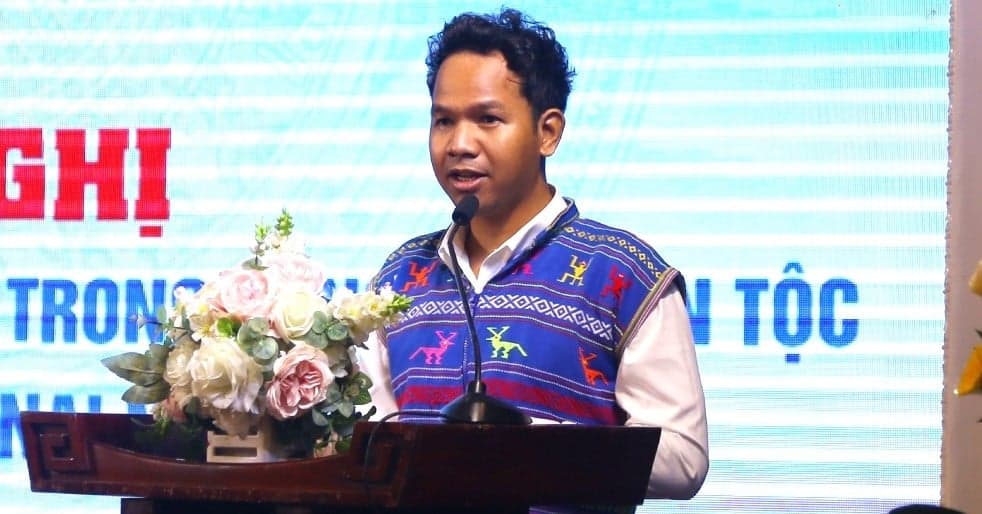
According to Mr. Deo Van Thuong, Director of the Department of Ethnic Minorities and Religions, after the reorganization of administrative units, the management area is wider, and the requirements for ethnic affairs work at the grassroots level are also higher. The team of influential individuals plays an even more crucial role as a core force in disseminating information, mobilizing support, understanding the thoughts and aspirations of the people; and promptly coordinating with the government to resolve issues arising from villages and hamlets, contributing to maintaining stability in the area.
Nurturing influential individuals strengthens public support.
To promptly motivate and encourage influential individuals to play their role, Lai Chau province has promptly implemented policies and regulations. During the 2021-2025 period, under Sub-project 1, Project 10 of the National Target Program for socio-economic development in ethnic minority and mountainous areas, as per Decision 17198/QĐ-TTg, along with providing information and training in communication and mobilization skills, all levels and sectors regularly organize activities to visit, encourage, and commend outstanding individuals.
In Report 329-BC/TU dated October 4, 2026, summarizing and evaluating the results of implementing Resolution 24-NQ/TW of the IXth Central Committee of the Communist Party of Vietnam, the Lai Chau Provincial Party Committee stated that in the past period, the province has paid attention to the work of meeting with, commending, honoring, and rewarding influential people.

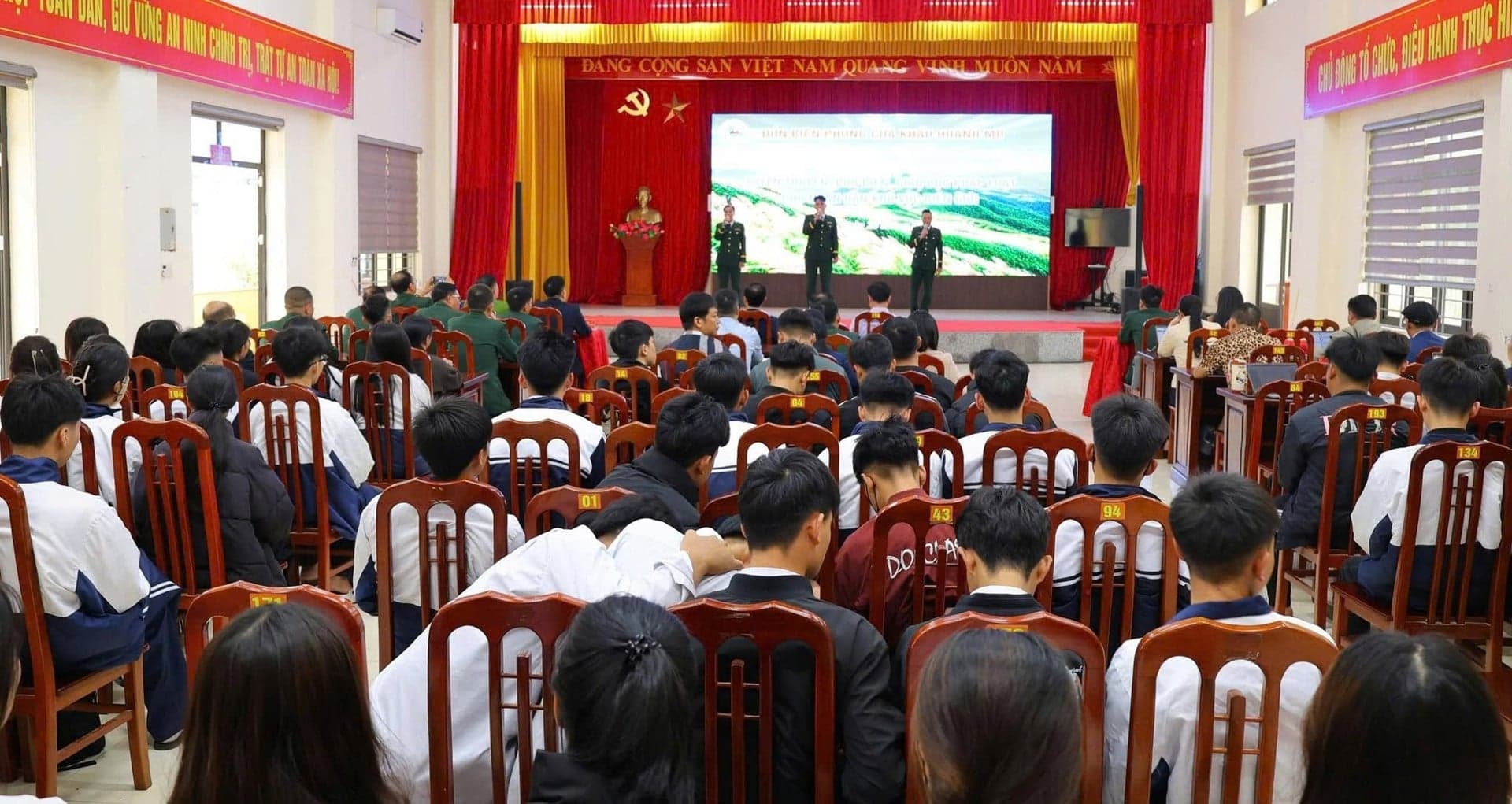
In particular, in June 2026, Lai Chau organized the "Village Support Program," honoring 130 village chiefs and exemplary influential figures in border areas. This activity demonstrates recognition for the contributions of those who are closely connected to the villages and contribute to maintaining peace in the border region.
According to the Director of the Department of Ethnic Minorities and Religion of the province, Deo Van Thuong, in 2026, the Department organized conferences to provide information to influential people in many localities, equipping them with knowledge about ethnic policies, laws on security and order, crime prevention, cultural preservation, and skills in propaganda and mobilization of ethnic minorities.
Currently, the mechanisms and policies for influential individuals are being implemented according to Decree No. 307/2026/ND-CP. Lai Chau province has issued directives to implement and assign responsibilities to departments, agencies, and commune-level authorities to promptly and fully implement policies for the "leading figures" among ethnic minority communities in the province.