The cultural values behind each festival
For the Khmer people of Southern Vietnam, each traditional festival contains profound philosophies of life and morality. Chol Chnam Thmay marks the transition to the new year, associated with the change of seasons between the dry and rainy seasons, and reflects the religious transition from Brahmanism to Buddhism through the legend of the boy Thomabal and the four-faced god Maha Prum.

Sene Dolta is an occasion for descendants to gather, remember their ancestors, show filial piety to their grandparents, and express the principle of remembering one's roots. Meanwhile, Ok Om Bok signifies gratitude to the Moon god and the natural elements of Earth, Water, Fire, and Wind for granting people bountiful harvests.
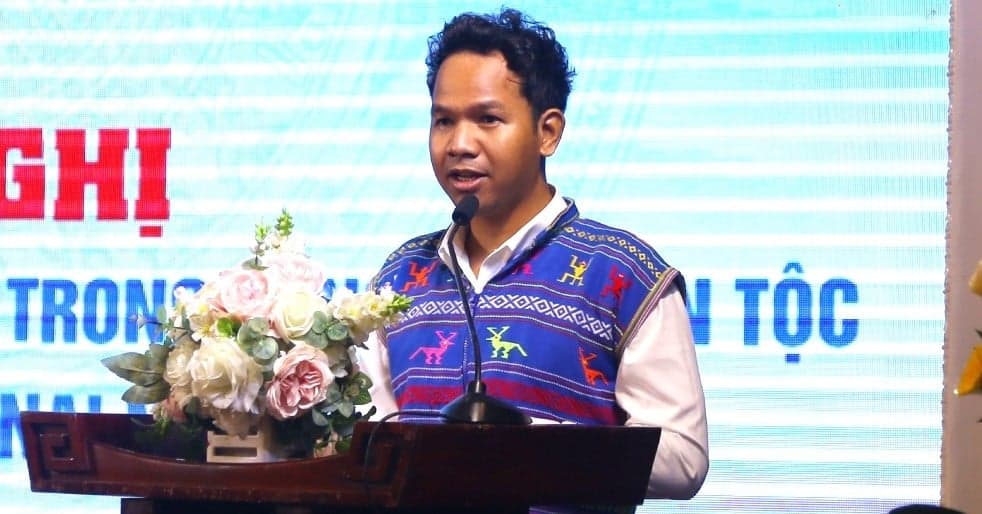
Speaking to VietNamNet , Dr. Son Cao Thang, Deputy Head of the Department of Khmer Language, Culture and Arts of Southern Vietnam (Tra Vinh University), said that the values of the festival are not limited to religious rituals but are also enriched through cultural, sports and community activities.
This is an occasion for family members to reunite, for people in the villages and hamlets to meet, strengthen solidarity, and preserve the unique cultural characteristics of the ethnic group.
Through observation, he noticed that young Khmer people today still have pride in their ethnic culture and participate in festivals quite actively. However, the level of participation depends heavily on the timing of the event. If the festival takes place on a weekend or holiday, more young people are able to return to their hometowns. Conversely, those who study or work in large cities often find it difficult to arrange their time.
The difference is also evident in the way people participate. While the ceremonial part, with its traditional rituals, is mainly handled by monks, Achar (religious leaders), and middle-aged and elderly Buddhists, younger people are often more enthusiastic about the festive part, with its cultural and sporting activities.
The risk of traditional cultural values fading away.
Modern life and urbanization are creating significant changes in the cultural practices of the Khmer people. Many rituals that have been maintained for generations are now being simplified to suit the current conditions. Some customs are gradually shrinking, or even being performed only formally.
Teacher Son Cao Thang cited the changes in Khmer wedding customs. The wedding ceremony is no longer confined to the bride's home but can take place at both families' homes. The trend towards Western-style weddings or the incorporation of ethnic costumes has led to the simplification of some traditional rituals, such as hairdressing and dental work, often to be performed only symbolically.

"More worrying is the risk of the disappearance of folk performing arts associated with festival life. The Dù Kê stage is increasingly empty of audiences, while Rô Băm art has fewer opportunities to perform complete plays as before. Some activities now mainly appear in the form of parades and character impersonations," teacher Cao Thắng expressed.
According to him, the departure of young people from their hometowns to study and work in cities and industrial zones has also led to a shrinking number of people directly participating in cultural activities in Khmer villages, srok, and temples. The pressure of making a living, limited leisure time, and the allure of new forms of entertainment make it difficult for many to return and fully participate in long-lasting festivals.
In this context, cultural preservation cannot rely solely on the elderly or artisans. For heritage to continue to be present in daily life, the younger generation needs to be given the opportunity to access, practice, and become the custodians of the values of their community.
Passing on heritage through innovation.
Teacher Son Cao Thang believes that families, temples, schools, and community organizations all have their own roles in the process of continuing Khmer culture.
The family is the first place where lifestyles, family traditions, and customs are formed and passed down to descendants. Buddhist temples play a crucial role in preserving the Khmer script, teaching doctrines, laws, and moral standards. Schools help young people acquire knowledge and skills, while also fostering an appreciation for heritage values.
Furthermore, the government and community organizations need to play a connecting role and provide resources through programs and policies for ethnic minority areas. Restoring festivals and creating opportunities for artisans to pass on their skills to the next generation not only contributes to heritage preservation but also helps young people confidently continue and promote their ethnic cultural identity.
One important issue is helping young people understand the meaning behind each ritual, rather than simply participating in festivals out of habit or for the festive atmosphere. Previously, many rituals were performed according to tradition, while monks and Achar focused on the ceremony itself, leaving little time for detailed explanations. As a result, many young people passively received the heritage.
To change this, Mr. Cao Thang suggested increasing visual explanations, organizing thematic workshops and seminars, and promoting communication through methods suitable for young people.
Teaching in schools also needs to be linked with guidance from people knowledgeable about the local culture, helping to transform knowledge from textbooks into practical experience.
"Social media and short videos also open up opportunities for young people to introduce Khmer festivals to a wider audience, especially their peers and tourists. However, this is also a medium that can lead to misinterpretations if content creators chase sensationalism, seek views, or use unverified information," Dr. Thang commented .
He noted that young people need to respect the sacredness of cultural and religious spaces; and proactively consult with monks, elders, and researchers before introducing customs online. Creativity in communication is necessary, but it cannot compromise accuracy and the core values of heritage.
Regarding the reform of festival organization, he suggested a clear distinction between the ceremonial and celebratory aspects. Sacred rituals must be preserved with solemnity and respect, while the celebratory aspects can be flexibly innovated in scale, form, and activities to attract participants.

The Ok Om Bok Festival is a prime example. From a traditional cultural activity of the Khmer people, the event can now be expanded into a space for inter-ethnic exchange, combining the introduction of OCOP products, trade promotion, and career networking. This organizational approach not only creates more appeal for young people and domestic and international tourists but also opens up opportunities for economic development and creates livelihoods for the people.
In particular, festival activities can also become an opportunity to disseminate the State's policies, laws, and regulations , encourage people to preserve good customs, and gradually eliminate outdated customs and superstitions.
"Preserving Khmer culture doesn't mean maintaining every form of past organization. The important thing is to identify and preserve core values, while finding ways to adapt the heritage to contemporary life. When young people understand, love, and actively practice traditional culture, festivals can continue to be passed down naturally and sustainably through generations," shared teacher Son Cao Thang.