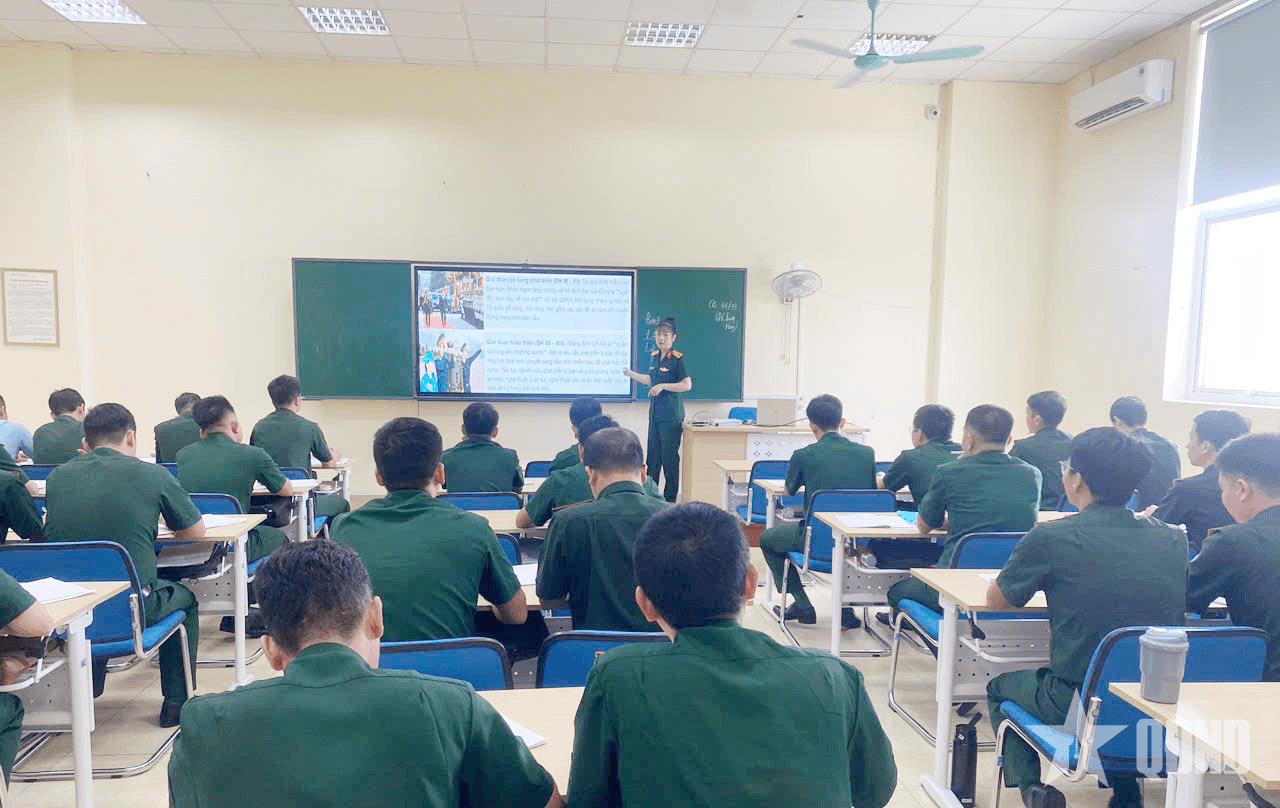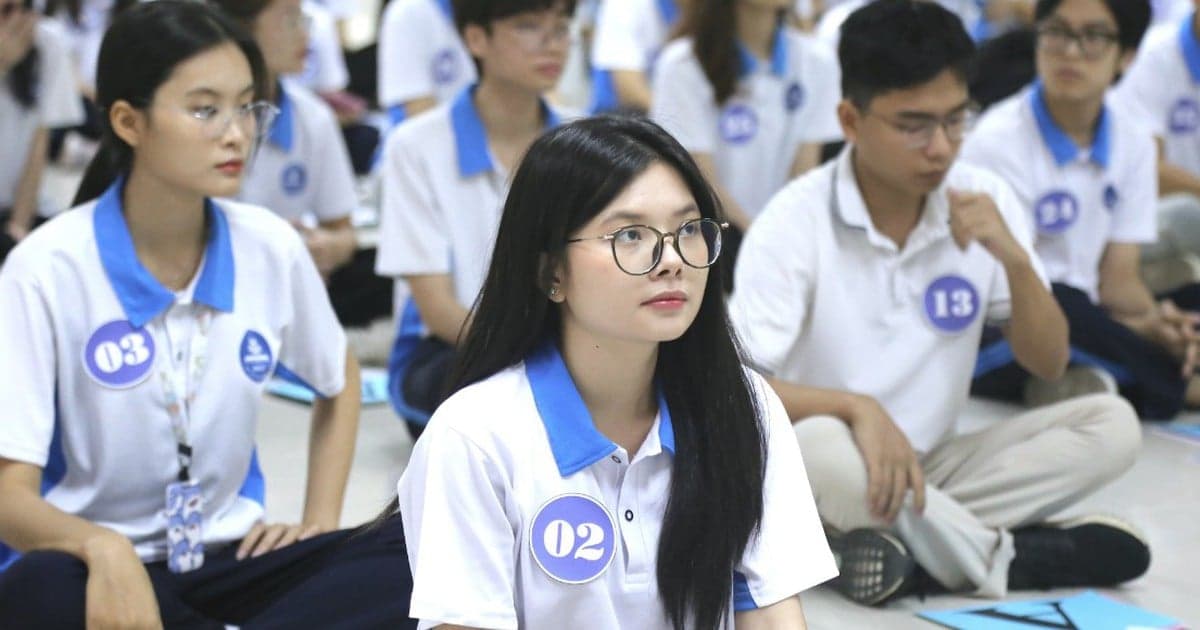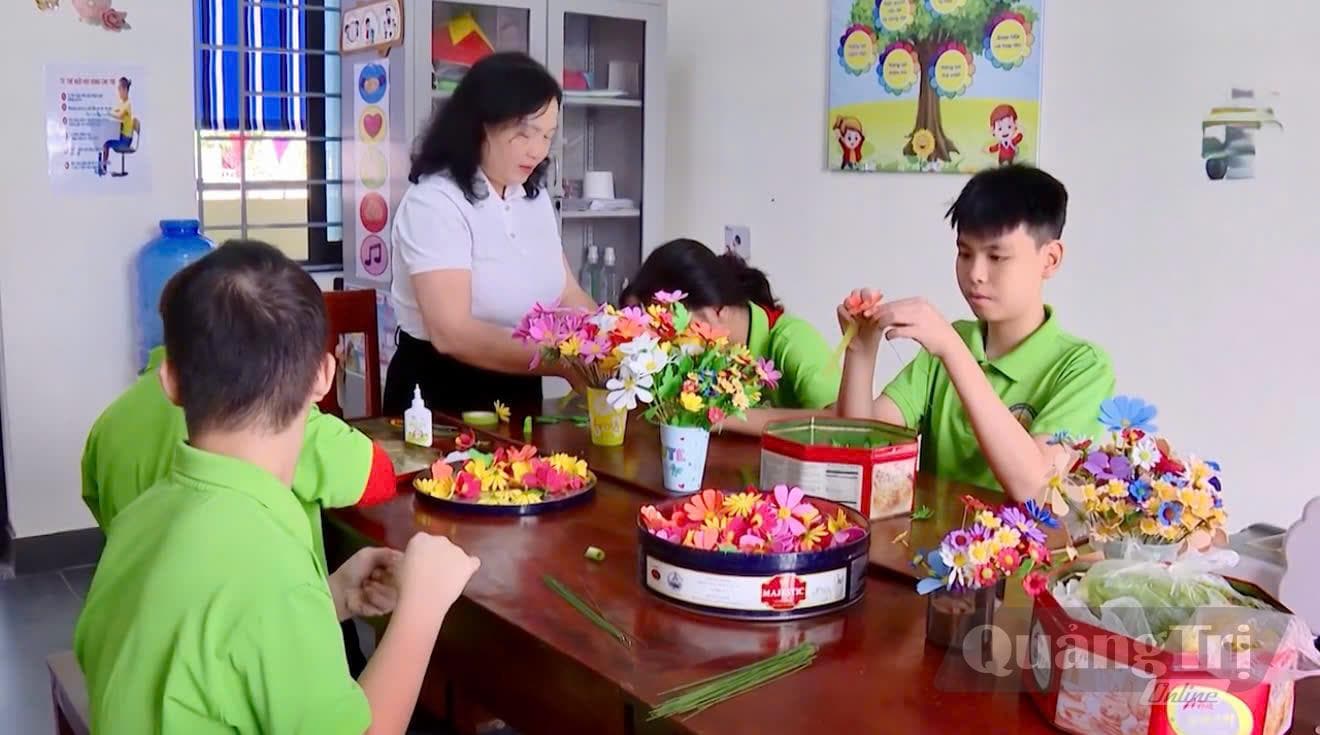

On October 2nd, the Department of Education and Training of An Giang province organized a workshop on the topic "Preventing and combating social evils in schools in conjunction with building happy schools".
The workshop provided an opportunity for the An Giang Provincial Department of Education and Training, relevant authorities, the press, schools, families, and students to exchange ideas, identify risks, share experiences, and propose solutions to build a safe and healthy educational environment, contributing to the formation of Happy Schools.
Prevention at the source
In his introductory report, Mr. Huynh Van Hoa, Deputy Director of the Department of Education and Training of An Giang province, stated that the workshop chose an approach to preventing and combating social evils in conjunction with building happy schools. These are not two separate tasks, but rather need to be viewed in a unified relationship: to sustainably prevent evil, we must proactively build good within the school environment itself.

"I hope that through this workshop we will not only find solutions to prevent social evils, but also answer a more important question: What can we do to ensure that every student feels safe, loved, respected, and has a place to belong when they come to school?" Mr. Huynh Van Hoa emphasized.
According to the Deputy Director of the An Giang Department of Education and Training, this is the foundation for the "Happy School" to become a genuine value, and also a solution to prevent social evils at their root.

At the workshop, representatives from the An Giang Provincial Police shared information on the current situation and risks of social evils and crimes that could affect students; methods and tactics used to lure and entice students, especially online; early warning signs; and the responsibilities of schools, families, and local authorities in prevention.
Therefore, the Provincial Police proposed solutions involving cooperation between the police force, the education sector, and other relevant forces to ensure security and safety in schools.

Representatives from the Department of Culture and Sports (VH&TT) focused on sharing insights into the role of the cultural environment, family, and community in shaping students' personalities and lifestyles; the impact of the cultural environment on young people; and solutions for coordination between the VH&TT sector and the education sector.
At the workshop, representatives from the Department of Health , the Department of Justice, the People's Procuratorate, the An Giang Provincial Youth Union, along with representatives from the People's Committees of communes, wards, and special zones, shared diverse perspectives, practical experiences, and proposed specific solutions.
Listen to students, stand alongside their families.
From a student's perspective, Do Hoang Anh, a 12th-grade student at Nguyen Trung Truc 1 High School ( Rach Gia Ward), hopes that adults understand that silence doesn't always mean students don't have problems. There are things that students find very difficult to talk about. Therefore, if a school wants to become a happy school, the first thing is for students to feel safe speaking the truth.

According to Hoang Anh, students also have a responsibility towards a happy school. Each student can start with something very small: not bullying friends, not trying new substances, not participating in gambling, using social media responsibly, knowing how to say "no" to bad things, and knowing how to say "I need help" when they cannot solve a problem on their own.
"If teachers are companions, parents are a source of support, and students know how to protect themselves and their friends, I believe that school will truly become a place we want to go to every day, where we feel safe and grow more mature after each day at school," Hoang Anh expressed.

From a parent's perspective, Mr. Lam Nhut Minh, a parent of a student at iSCHOOL Rach Gia International School, hopes that the school will create a safe and friendly environment; focus on holistic education, understand and respect students, and maintain regular communication with parents.
Mr. Lam Nhut Minh proposed four groups of solutions for coordination between families and schools, including: building a regular and reliable two-way communication channel; unifying methods of moral and lifestyle education; organizing extracurricular activities and skills for preventing and combating social evils; and building a culture of behavior based on coordination between "Family - School - Society".
The press spreads positive values.
From a journalistic perspective, a reporter from the Education and Times newspaper in An Giang believes that after the reorganization of the school network, the management scale of many educational institutions has increased, while the number of branch campuses and remote school locations has also grown. This necessitates strengthening measures to ensure that students in remote school locations receive the same attention, support, and safety as students at the main school.
From practical experience, reporters have found that applying technology, strengthening coordination between schools and families, promoting the role of homeroom teachers, and promptly identifying changes in students are factors that need to be emphasized.


In this context, the press not only has the responsibility to report negative incidents but also needs to delve into the causes, identify the problems arising from practice, and disseminate effective solutions and models.
Heartwarming stories about dedicated teachers, attentive administrators, and practical educational models should also be widely shared so that educational institutions can gain more experience, motivation for innovation, and replicate suitable practices.
Spreading good to prevent bad is also how journalists can work alongside schools to build happy schools, the reporter shared.

Also at the workshop, representatives from the Boards of Directors of educational institutions signed a commitment to building happy schools in conjunction with preventing and combating social evils in schools for the 2026-2027 school year.
Images of schools committing to building Happy Schools:


Source: https://giaoducthoidai.vn/nganh-giao-duc-an-giang-gan-phong-chong-te-nan-xa-hoi-voi-xay-dung-truong-hoc-hanh-phuc-post794670.html