From intrinsic values to community culture
For industrial park infrastructure development companies, competitiveness is often judged by land availability, location, technical infrastructure, rental prices, and service quality. Shinec places these factors within a broader context: building a production environment that is responsible to workers, investors, the local community, and the natural ecosystem.
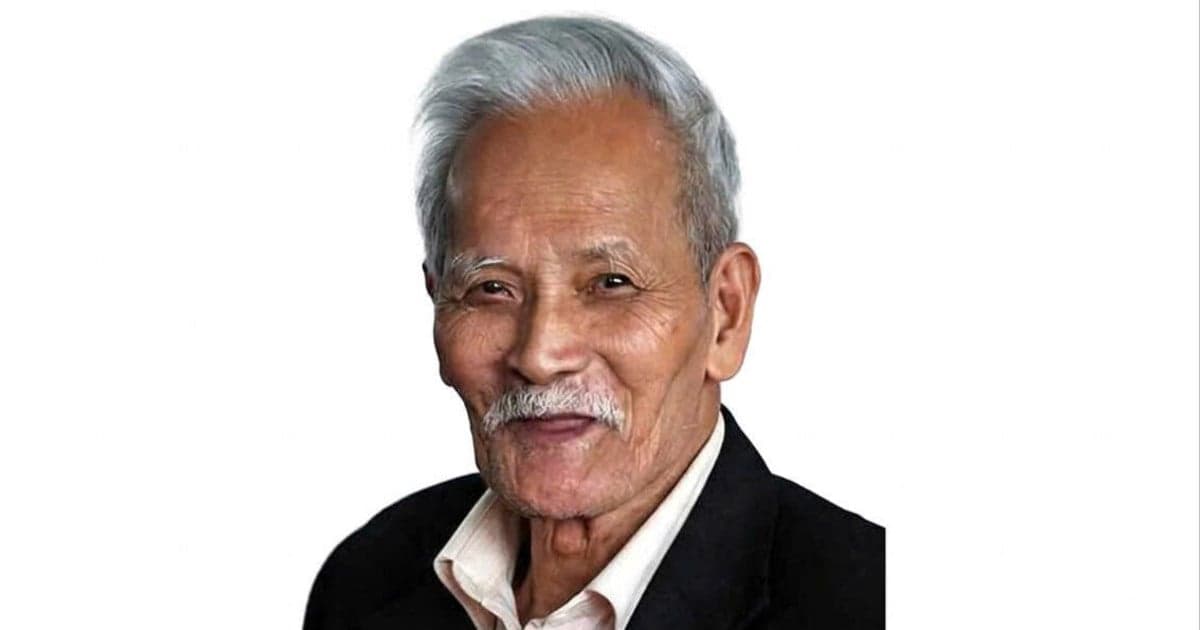
Mr. Pham Hong Diep, Chairman of the Board of Directors of Shinec Joint Stock Company, calls it the philosophy of "Doing business on land, giving back to the land." According to Mr. Diep, using land for industrial development is a privilege, but it comes with the responsibility of protecting the environment and the community. Shinec incorporates this concept into its planning, infrastructure investment, and industrial park operation.
Nam Cau Kien was developed on land that previously included rice paddies, riverbanks, wharves, and aquaculture activities. Therefore, Shinec's approach went beyond simply allocating land for greenery, aiming to create a landscape that harmonizes with the local natural conditions. Native fruit trees and vegetation were selected to improve the environment and preserve the natural features of the land within the production space.
The General Vo Nguyen Giap Cultural Space in the Nam Cau Kien Industrial Park also demonstrates how Shinec expands the concept of culture beyond internal operations. It serves as both a place for workers to rest and socialize, and a destination for students and visiting groups to learn about history, the environment, and production organization. Therefore, the industrial park gains additional learning and cultural spaces alongside factories, roads, and technical infrastructure.
Throughout its operations and development, Shinec has established values such as honesty, responsibility, and respect, using integrity as its guiding principle; while also prioritizing the interests of partners and the nation, sustainable development, and building a capable team. These values are only meaningful when reflected in transparent and fair governance, adherence to the law , and practical handling of daily work.
The culture at Shinec is not limited to the relationship between the company and its employees. Since 2021, the company has focused on building a shared culture for the business community within the industrial park. The Eco Nam Cau Kien Business Club creates a space for investors to meet, share resources, support each other in production and business, and care for the lives of their employees.
This approach is well-suited to the characteristics of an eco-industrial park. Businesses operate independently but can collaborate in the use of raw materials, by-products, services, and human resources. For this symbiotic relationship to function effectively, all parties need trust, a spirit of cooperation, and responsibility for shared commitments. Therefore, the infrastructure investor also plays a connecting role, facilitating the formation of long-term cooperative relationships among businesses.
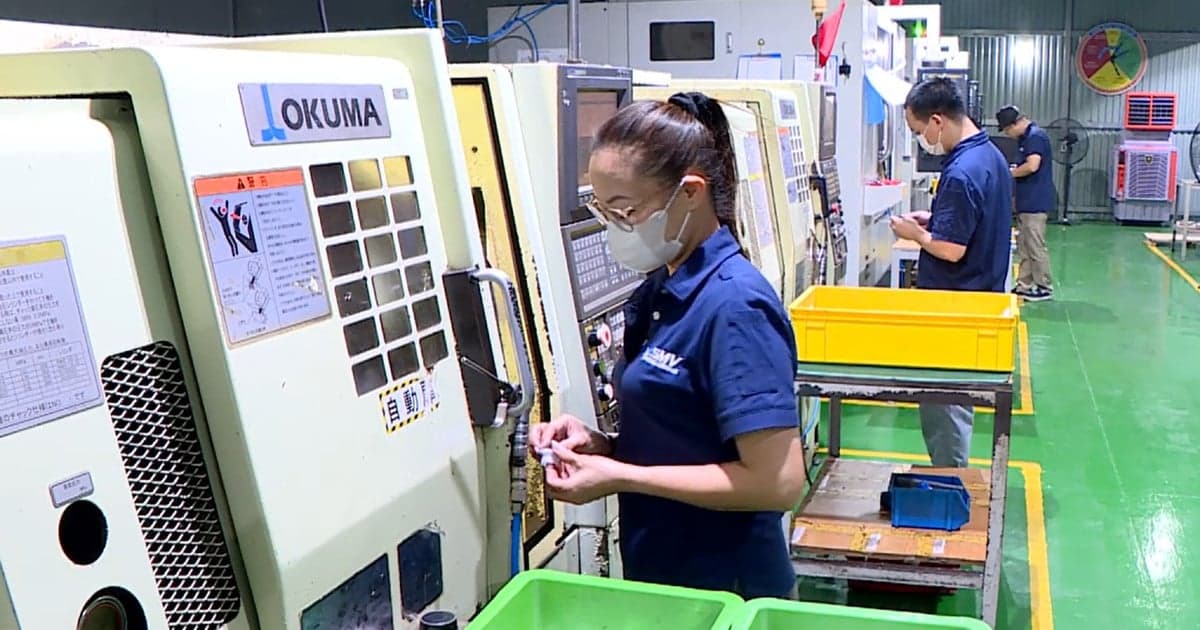
For employees, culture is reflected in working conditions, income, training opportunities, safety, and policies that protect and safeguard their rights. Shinec Joint Stock Company currently has 70 employees, including 20 female employees; the average income is over 16.1 million VND/person/month.
According to Ms. Bui Thi Loan, Chairwoman of the Trade Union of Shinec Joint Stock Company, the "Socialist grassroots trade union" model achieved a self-assessment score of 90/100; the collective labor agreement was rated A. These are concrete mechanisms for workers to be represented, participate in dialogue, and protect their rights.
When culture creates competitiveness
Nam Cau Kien Industrial Park is where Shinec integrates its cultural orientation and sustainable development into a specific production model. The industrial park, spanning approximately 260 hectares, attracts over 120 businesses, gradually forming three symbiotic chains in the steel, plastics, and electrical-electronics industries. It is known that the Nam Cau Kien Industrial Park has a total registered capital of nearly 1 billion USD and creates jobs for approximately 12,600 workers.
By 2025, Nam Cau Kien is expected to achieve approximately 82% of the 65 criteria under the UNIDO international framework for eco-industrial parks, and is aiming for 89%. Environmental requirements demand the participation of each investor, from emission control to efficient resource utilization. These symbiotic chains also create opportunities for businesses to connect resources, utilize by-products, and reduce waste in production.
Mr. Pham Hong Diep summarized Shinec's management orientation with the concept: "Culture is the central axis for sustainable business development." From that perspective, Shinec's product is not just industrial space, but an investment environment that needs to meet requirements regarding governance, environment, social responsibility, and service quality.
The Shinec story highlights the need to build a corporate culture within the Hai Phong business community. The city saw 6,033 new businesses registered in the first 10 months of 2026, reaching 80.4% of the annual plan. In this context, businesses need to expand their markets, innovate technology, improve management capabilities, build a strong workforce, comply with the law, and cultivate trust with employees, partners, and the community – all essential requirements.
Mr. Tran Van Thang, Chairman of the City Business Association, believes that the expanding development space creates conditions for businesses to expand their markets, strengthen linkages, and participate more deeply in value chains. Along with production and business goals, businesses need to build a unique cultural identity for Hai Phong, comply with the law, and fulfill their responsibilities to the community. The Association will continue to connect with, accompany, and support businesses in improving their management capacity and sustainable development.
LE HIEP