A measure from practice
After 8 years of operation, Gia Nghia CNC Manufacturing and Trading Joint Stock Company has become one of the most trusted businesses in the field of manufacturing and installing fire-resistant doors. Given the nature of its products, which directly relate to the safety of buildings and users, the company focuses on perfecting its production process, controlling quality, and improving service quality at every stage of implementation.
According to Mr. Cao Chi Cuoi, the company's director, sustainable development is not only based on product quality and business efficiency, but also linked to corporate culture and a sense of responsibility in the workplace. These are also factors that contribute to building CNC Gia Nghia's reputation in its relationships with customers and partners.
Similar to the story at CNC Gia Nghia, businesses in Hai Phong are not only expanding their production and business scale, but are also increasingly asserting their important role in the city's economic growth and social welfare.
According to statistics as of early October 2026, the city has nearly 55,000 operating businesses. These economic sectors contribute over 93% of the city's GRDP, provide employment for approximately 98% of the workforce, and contribute over 58 trillion VND, accounting for nearly 36% of the city's total state budget revenue (excluding land use fees).
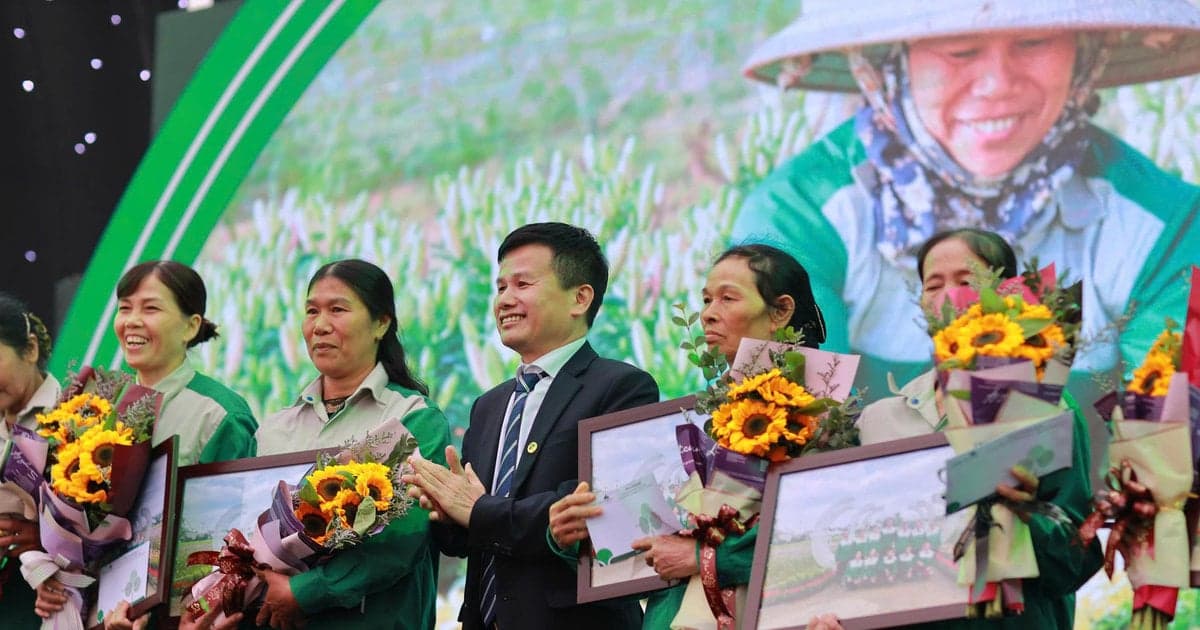
Alongside their production and business activities, the business community actively participates in social welfare programs, investing in education , healthcare, culture, sports, and essential services, contributing to improving the quality of life for the people.
The growing scale and contributions of the business community also demand improved development quality, in which business culture and ethics are indispensable elements.
According to Deputy Director of the Department of Finance Hoang Xuan Minh, in the context of international economic integration, besides management capacity, finance, technology, and product and service quality, reputation, brand, and market trust are crucial factors determining the survival and development of businesses.
Therefore, business ethics and culture need to be integrated into development strategies, linked to brand building, improving the quality of human resources, and fulfilling corporate social responsibility.
Associate Professor Dr. Duong Thi Lieu, Director of the Institute of Business Culture and Deputy Secretary General of the Vietnam Association for the Development of Business Culture, believes that what makes a business survive for 30-50 years or disappear after just a few years is not capital, technology, or strategy, but belief.
Building a corporate culture and ethics means building the capacity for businesses to be trusted, respected, and preferred. This is especially significant for Hai Phong as the city increasingly participates in international production, supply, and cooperation chains.
Shaping business standards

In 2016, the Prime Minister decided to designate November 10th as Vietnam Corporate Culture Day and launched the campaign "Building Vietnamese Corporate Culture".
Resolutions No. 41-NQ/TW on promoting the role of entrepreneurs, No. 68-NQ/TW on developing the private economy, and No. 45-NQ/TW on building and developing Hai Phong continue to affirm this orientation, while also setting requirements for building a strong, competitive business community and a team of entrepreneurs with courage, intelligence, and ethics.
In line with these guidelines, Hai Phong has issued a Code of Business Ethics with five core values: "integrity - responsibility - dynamism - compassion - integration," contributing to guiding standards of conduct and enhancing the responsibility of entrepreneurs in business activities.
For these standards to be put into practice, the role of the business leader is particularly important. Associate Professor Dr. Duong Thi Lieu also believes that corporate culture is formed from what the business says, what the business does, and the values that are truly cherished.
In this context, the leader plays a decisive role in establishing and maintaining common standards. Integrity is difficult to become a cultural trait if leaders do not set a good example; trust is also difficult to build if the business does not consistently fulfill its commitments to customers and employees.
According to Tran Van Thang, Chairman of the Hai Phong City Business Association, building a corporate culture needs to be linked to the formation of a Hai Phong business community with a spirit of linkage, cooperation, and mutual development. Besides the goal of improving production and business efficiency, each enterprise needs to focus on building a unique corporate culture of Hai Phong, complying with the law , and fulfilling its responsibilities to the community.
In the journey to build Hai Phong into a major economic center of the country, the requirement is not only to develop more businesses and attract investment capital, but also to form a business community with competitive capacity, business culture, and social responsibility.
Along with innovations in government administration and management, the character, ethics, and culture of the business community will contribute to shaping the quality, strength, and position of Hai Phong businesses in the new development phase.
HA MINH