
Is the feeling of "hating one's parents" a new phenomenon, or has it existed for generations but was previously less openly expressed? How has social media changed the way young people express this emotion?
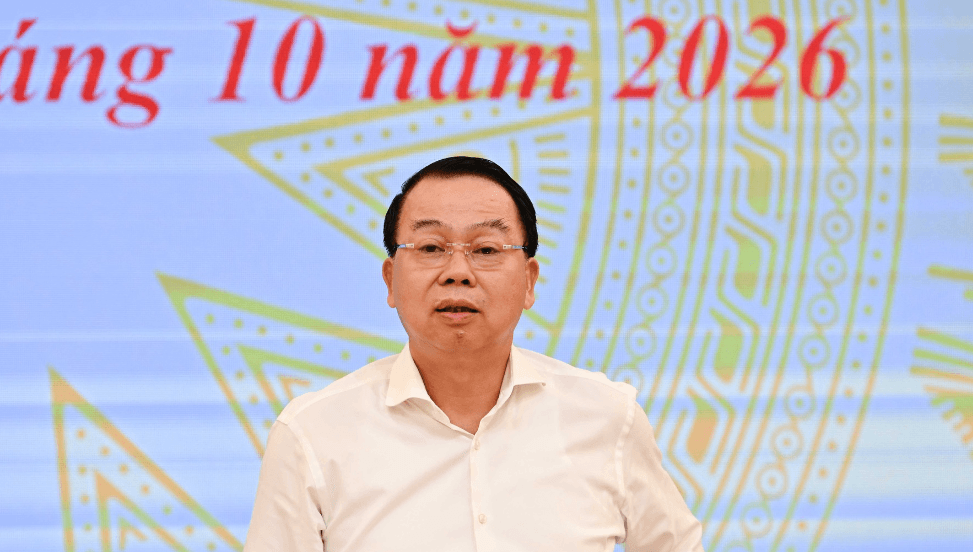
Associate Professor Vu Thu Trang: Actually, the feeling of "a child hating their parents" has existed in every era, only the way it's expressed differs. Before social media, resentments were usually kept to oneself or shared with siblings or a few close relatives. Those feelings were known to few people, but that doesn't mean they didn't exist; nowadays, young people can express themselves to a large number of others online.
If we understand "children hating their parents" as a conflict arising from differing viewpoints and needs between two generations, then this exists in every era. Parents and children are at different stages of development, with different concerns. As children grow older, parents learn to understand and be calm with them, the generation gap gradually narrows, and conflicts lessen.
However, I have certain concerns that when intergenerational conflicts are expressed and resolved on social media, it may lead to different consequences than in the past. Children may not express their frustrations and hurt feelings to their parents, but instead confide in strangers who may share similar feelings and circumstances. These strangers may not always be trustworthy, calm, or safe enough to support the child, and the child may not have the composure to resolve the issues between themselves and their parents.
There are also cases where "a child hates their parents" is not simply a generational conflict, but stems from trauma caused by abuse, abandonment, etc. These cases require more complex support approaches.

Why can a young person who is provided for materially by their parents still feel hurt, suffocated, or angry with their family? Should such feelings be considered a sign of ingratitude?
Associate Professor Dr. Vu Thu Trang: Children need both physical and emotional care, a close and secure relationship with their loved ones, especially their parents. Therefore, we shouldn't assume that material care automatically guarantees emotional satisfaction. In fact, emotional bonding even in a context of material deprivation can still produce healthy and happy children.
As mentioned, the word "hate" can be understood as disagreement, dissatisfaction, or even hurt. The statement "I hate you, Mom and Dad" itself doesn't reflect ingratitude, because "ingratitude" is judged from the perspective of the child's responsibility in their relationship with their parents. However, this statement certainly reflects disagreement or hurt on the part of the child. Therefore, parents need to understand and adjust, whether it's adjusting themselves or adjusting their child, and shouldn't automatically assume this is ingratitude.
How do anonymity and the rapid spread of information on social media affect young people when they share family stories? Does receiving empathy from many people help relieve stress, or can it amplify negative emotions?
Assoc. Prof. Dr. Vu Thu Trang: Social media, with its anonymity, is both a "safe" and "secure" environment for children to share their problems (note that the words "safe" and "secure" are in quotation marks because they do not fully convey the meaning of safety and security in the context of support).
But there are also potential risks:
(1) Children release their emotions without having to take responsibility for their words because of anonymity;
(2) Children are at risk of having their personal information exposed and becoming victims of cyber violence;
(3) Supporters, commenters, and those who respond to children's shared experiences are not professionals, may not necessarily have the capacity for empathy (empathy does not mean helping to solve problems), and are not responsible for helping children as a friend in real life.
Therefore, children face many risks when sharing their problems in online groups. However, these groups can still play a supportive role for peers if properly managed and approached by administrators.

In your opinion, when the public massively participates, likes, shares, and debates in groups, does this risk turning into a place for judgment between parents and children? How does this affect young people who have shared their stories?
This risk exists, but it's also worth noting that when parents participate in these groups, the "safety" and "security" of these groups diminish, and children will simply find other groups to replace them.
Sharing on social media groups carries the risk of children receiving negative feedback, which can have a psychological impact on them, especially if they are already emotionally vulnerable. This is a form of cyberbullying, leaving many psychological risks for children.
Many parents or children , after the relationship has become strained, no longer even have the opportunity to apologize. What can be done early on to help both sides recognize each other's hurt and talk things through before it's too late?
Associate Professor Dr. Vu Thu Trang: First, parents should view their children as growing saplings, with their own opinions, feelings, and needs. Therefore, parents need to calmly understand their children's concerns, not just reacting to superficial statements like "I hate you, Mom and Dad," but providing support based on deeper insights: What makes the child unhappy, and what changes do they want from their parents and themselves?
Spending time with your children and listening to them are the first steps parents can take. Parents should also learn more about parenting skills in the modern context to better understand their children's psychology.
Children should also be taught about human rights, so they have the right to "hate" their parents when they are abused. In particular, they need to be taught communication skills, social skills, and emotional management so they know how to express and share about themselves appropriately with the listener and in the social context.
In addition, it is necessary to explore other channels of psychological support for children besides their parents, such as relatives, friends, teachers, and school psychologists.
Thank you very much, Associate Professor Dr. Vu Thu Trang!
Source: https://svvn.tienphong.vn/khi-con-san-sang-ke-chuyen-gia-dinh-voi-nguoi-la-cha-me-nghe-duoc-gi-ngoai-loi-ghet-post1881543.tpo