According to the Cyber Security Department of the Hue City Police, leaked personal information can become a tool for malicious individuals to impersonate others, gain control of accounts, and commit fraud to steal assets. When discovering that personal data has been leaked, users should remain calm, quickly protect related accounts, control the risk of asset loss, and preserve evidence for verification and processing.
Nowadays, personal information is increasingly intertwined with daily activities such as banking transactions, online shopping, social media use, and registering for services in the digital environment. From phone numbers, addresses, and identity information to login passwords and biometric data, each type of data can be illegally exploited if it falls into the hands of unauthorized individuals.
Notably, the risk extends beyond the disclosure of private information. When data is collected, disseminated, or misused, malicious actors can leverage this information to construct highly convincing scams, making it difficult for victims to distinguish between genuine and fraudulent information.
These risks also highlight the need for enhanced protection of personal data in the field of international migration. During the process of seeking employment abroad, applying for work or study programs, connecting with employers, or completing immigration procedures, individuals may have to provide significant identifying information, personal documents, and related data.
If this information is exploited illegally, those seeking to migrate could become targets of fraudulent recruitment schemes, fee scams, account hijacking, or identity theft for illegal activities. In particular, perpetrators could use collected personal information to build trust, make attractive but fictitious job offers, or request additional documents, money transfers, and other insecure transactions.
In the context of rapidly developing digital technology , scams are also becoming increasingly sophisticated. The use of fake images, voices, unverified social media accounts, fake links, or applications from unknown sources can make it difficult for people to verify the identity and trustworthiness of the organizations or individuals they contact.
For migrants, especially those with limited access to official information or lacking digital skills, the risk of fraud, exploitation, and abuse can increase. Therefore, equipping them with knowledge about protecting personal data, identifying fake information, and using digital platforms safely should be considered a crucial aspect of international migration awareness campaigns.

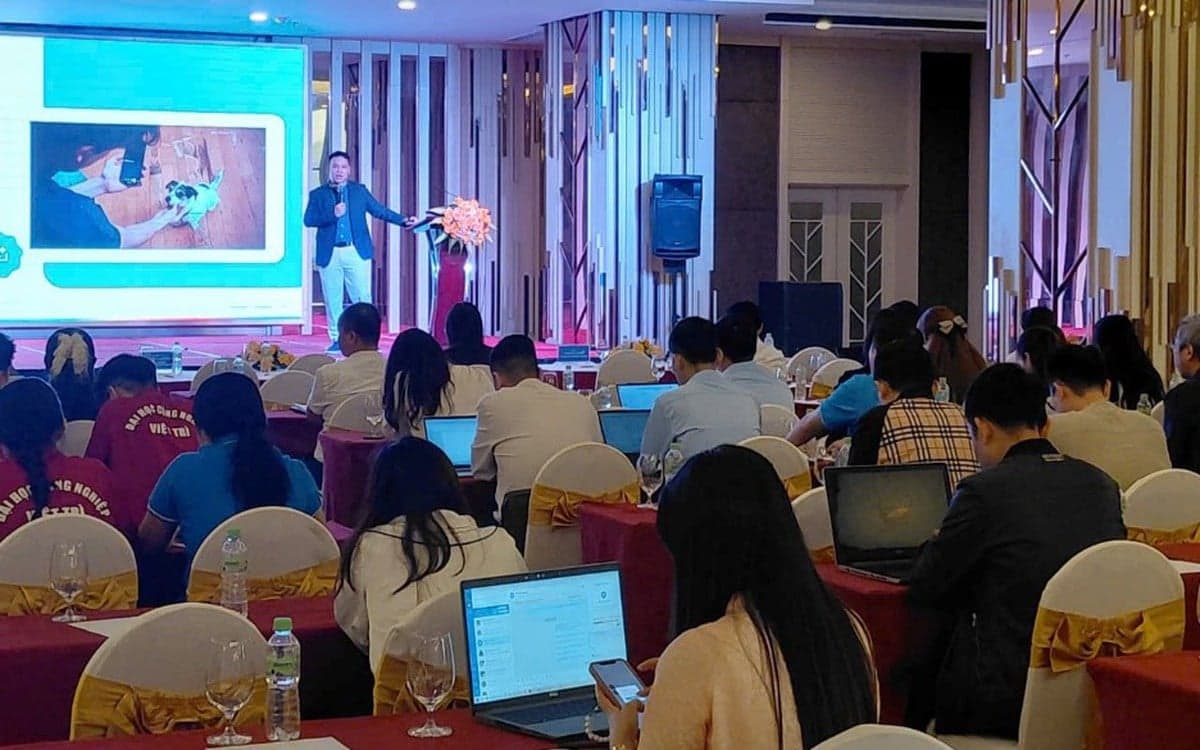
Protecting personal data in the digital environment contributes to promoting safe migration. (Illustrative image.)
The United Nations Global Compact for Safe, Orderly and Regular Migration (GCM) sets the direction for promoting comprehensive, people-centered migration governance, while strengthening cooperation among countries to ensure the legitimate rights and interests of migrants.
In implementing the guidelines of the GCM Agreement, the dissemination of knowledge about legal, safe, and orderly migration needs to be linked to practical issues arising in the digital age. Specifically, protecting personal data, identifying online scams, and preventing the misuse of technology for illegal recruitment and human trafficking are areas that require attention.
Public awareness campaigns can be integrated into programs that disseminate scientific and technological knowledge, digital transformation , and digital skills to the public. Through the press, social media platforms, digital media products, and community-based communication activities, people need to be provided with information on how to verify the authenticity of recruitment agencies, identify unusual signs in overseas job offers, protect personal documents, and limit sharing sensitive data on unreliable platforms.
Furthermore, it is crucial to guide people on how to access official information channels and support services when problems arise during the migration process. Those wishing to work, study, or live abroad should proactively research information about programs, recruiting organizations, contract conditions, benefits, and support mechanisms before making a decision. If they experience fraud, threats, or unauthorized use of personal information, they should know how to contact relevant authorities and organizations for timely guidance and support.
The application of science , technology, and digital media platforms has also opened up more convenient ways to access information. Informational content can be presented in the form of short videos, infographics, scenarios for identifying scams, and visual guides on account security and personal data protection. This approach helps bring official information closer to the public, especially those with migration needs, workers, and young people.
Notably, the media content needs to help people understand that protecting personal data is not just about keeping bank accounts or social media safe, but also directly relates to protecting their identity, documents, and rights during migration; people should not arbitrarily send photos of their ID cards, passports, bank account information, or biometric data to unverified individuals or organizations; they should not access strange links, install applications from unknown sources, or provide verification codes at the request of untrustworthy individuals.
According to the Cyber Security Department of the Hue City Police, some signs that may indicate your account or personal information is at risk include: unusual login notifications appearing; receiving verification codes even though you haven't made any transactions; discovering that your password or account recovery information has been changed; receiving calls or messages that specifically mention private information but request additional data.
When detecting unusual activity, users should focus on three objectives: preventing unauthorized access, protecting assets, and preserving information for verification purposes.
First, change the passwords for important accounts, especially email, banking, and social media. Use strong passwords that are different for each service, and enable multi-factor authentication if your platform supports it. Users should also check the devices that are logged in and log out of any unrecognized access sessions.
If your bank information, payment card details, or transaction account information shows signs of being compromised, immediately contact your bank or service provider through official channels for guidance on protecting your account and checking transactions. Under no circumstances should you provide your OTP code, password, PIN, or authentication information to anyone claiming to be a bank employee, government official, or technical support representative.
In addition, it is necessary to review accounts and services related to the leaked data; check the access permissions of applications, devices, and services being used. If personal information is found to have been publicly posted, evidence should be saved before requesting the platform or managing entity to remove the content.
Screenshots, leaked data links, suspicious messages, login notifications, transaction history, and the time the incident was detected can all be helpful in the verification process. When there are signs of account hijacking, money loss, or unauthorized use of personal information, affected individuals should promptly contact their bank, service provider, or related platform for assistance; they should also retain evidence and report any signs of legal violations to the nearest police station.
In particular, after personal information appears online, users need to be wary of calls and messages directly related to the incident. Perpetrators may use this information to impersonate bank employees, government officials, or service provider staff, requesting verification codes, access to fake links, installation of applications from unknown sources, or money transfers under the pretext of identity verification or account protection.
People should remember that knowing someone's exact name, phone number, address, or other personal information does not necessarily mean they are trustworthy. If in doubt, proactively verify the information through the organization's official phone number, website, or app.
In the long term, raising public awareness and digital skills is crucial to mitigating the risks arising from the misuse of technology in migration activities. Integrating the GCM Agreement with communication programs on science, technology, digital transformation, and information security will help people proactively access official information, protect their personal data, identify risks, and seek support when needed.
This will not only enhance the self-protection capabilities of individuals in the digital environment but also contribute to building a safe, legal, orderly, and sustainable migration environment, in line with the directions set forth in the GCM Agreement.