
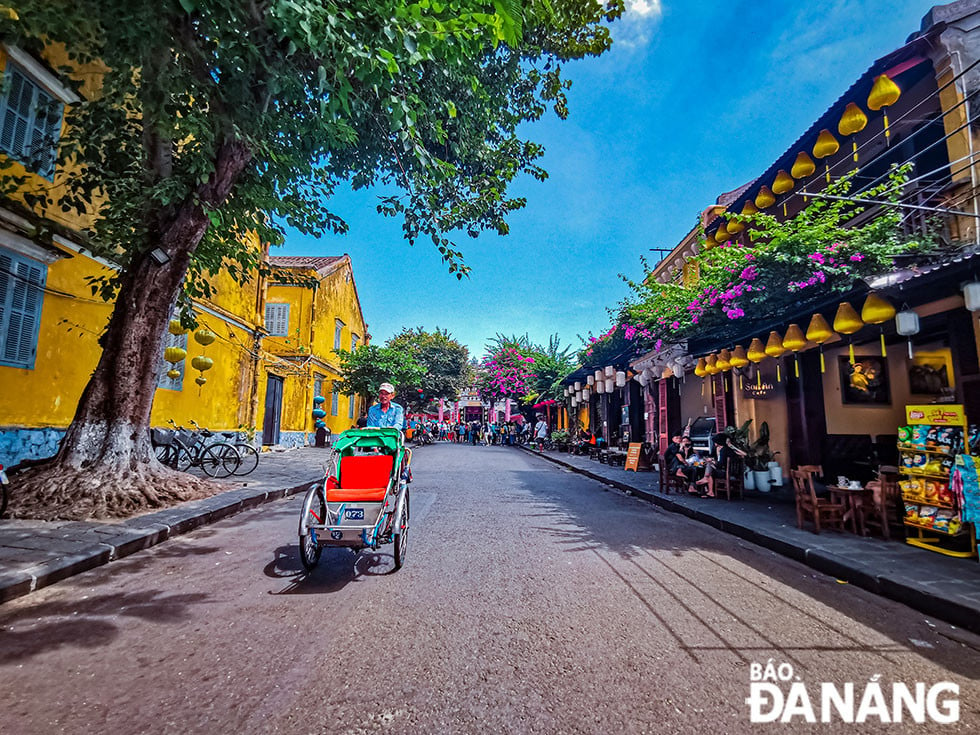
Sometimes, closing my eyes, I see old windows illuminated by lights, nestled beneath rows of dark-leaved trees. Sometimes, a winding street, roofs covered in moss from nearly half a millennium, gently emerge from the shadows of memory under a star-filled sky.
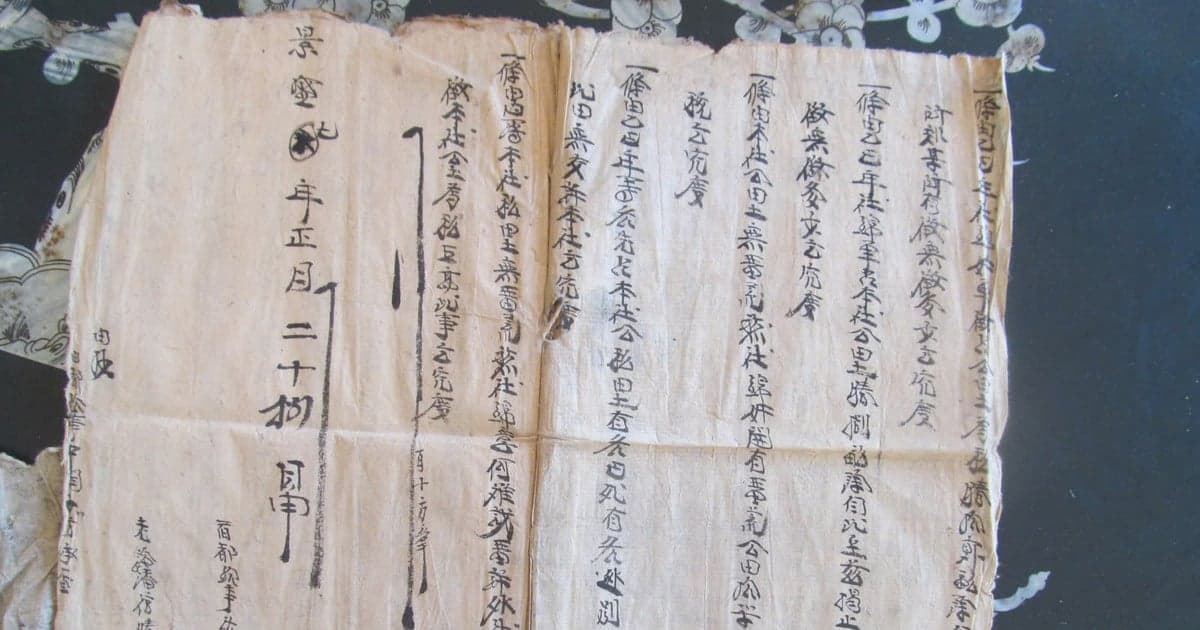
And memories transform into associations, like eyes flying back in time, returning to the distant past, when the sails of Spanish and Portuguese merchants, Italian missionaries... billowed in the wind as they sailed to the Dai Chiem estuary and then upstream along the Cai River to reach Hoi An (or Hai Pho, Faifo, Pho Hoai), resting beside the Japanese Bridge with its statue of the "sorrowful monkey that cannot speak" (also known by another poetic name: Lai Vien Bridge, which Lord Nguyen Phuc Chu bestowed in the year Ky Hoi 1719).
But that's the Hoi An of history, of the ancient architecture researchers. As for myself, I'm just a child of Hoi An, with all the mischievous antics of my childhood, running around on the worn-out tiled sidewalks; of my teenage years, with those afternoons of red flamboyant flowers wandering by the riverbank, longing for someone's dreamy eyes and a thousand shimmering sunbeams reflecting on the river's surface...
During my travels, I often told friends who had never been to Hoi An about the flocks of birds nesting near the low-lying houses; about the "international crossroads," where Uncle Xay used to sell his famous chicken rice at night; about Mr. Canh's Cao Lau noodles, a dish found nowhere else in the country, or Mrs. Hai Hue 's renowned shrimp wonton soup... I also talked about Cham Island with its Tiem But mountain and the Zen master Huong Hai, whose merits were recorded in the Kien Van Tieu Luc of the famous Confucian scholar Le Quy Don, or the swallows' nests on the precarious cave walls...
And Hoi An during the flood season
Uprooted trees floated swiftly down the great river. Thatched huts bobbed in the fierce waves, their roofs atop shivering, desperate people. Hoi An during the great flood season. Water from the river rose to three main streets. The town was teeming with boats of all kinds.
Beloved Hoi An, amidst the harsh sun and the scorching Lao wind that dries out the green foliage, evokes the poignant memories of those bygone days. The melancholic love song resonates deeply within the souls of the people of Quang Nam: "The south wind blows down to the lime kiln / Who told you that we are a couple, yet you are sad?"
The old river, which once flowed along the town's edge, has dried up during the dry season for many years, lying silently, remembering the distant sails of a prosperous era.
The old town, after long years buried under the dust of time's oblivion, has "come back to life" over the past decade or so. This complex of ancient architecture in Southeast Asia, recognized as a valuable asset of humanity, is being gradually preserved and restored.
And amidst the vibrant sounds of the times, Hoi An is gradually "blending its colors," letting go of the worries of the old days. Leaving behind so many memories for a lifetime, in the truest sense of "living without forgetting."
For a meaningless individual like myself, I still cherish, deep within the furthest reaches of my heart, that afternoon over 30 years ago, the last afternoon when I said goodbye to Hoi An, sitting alone in a cafe, waiting for something... that never came.
Only the gentle white áo dài dresses add a touch of vibrant color to the streetscape. The night deepens. Warm oil lamps light up the market street. And the moon rises. And the moss-covered street corners become hazy and ethereal...
I foresaw that one day, after a long journey, this afternoon would be bathed in the familiar moonlight. The faint sound of my mother's lullaby, like when I was in my cradle, would echo: "Who is far from Hoi An and the Bridge Pagoda? / To feel longing, remembrance, and sorrow for whom? / Sorrow for the traveler / Longing, remembrance, and sorrow for whom..."
Source: https://baodanang.vn/ai-xa-pho-hoi-3354093.html