Inscribed by UNESCO as a Representative Intangible Cultural Heritage of Humanity on December 1, 2016, the practice of worshipping the Mother Goddess of the Three Realms by the Vietnamese people is a heritage containing many profound cultural, historical, and humanistic values.
Ninh Binh is a region with a special location, a place where the Mother Goddess worship tradition is strongly prevalent and widespread, making a significant contribution to the process of building the dossier submitted to UNESCO.
Ten years after being recognized, the preservation and promotion of heritage values continue to be a focus of local attention, linked to the protection of religious practice spaces and the sustainable development of culture and tourism .
A space rich in cultural and spiritual identity.
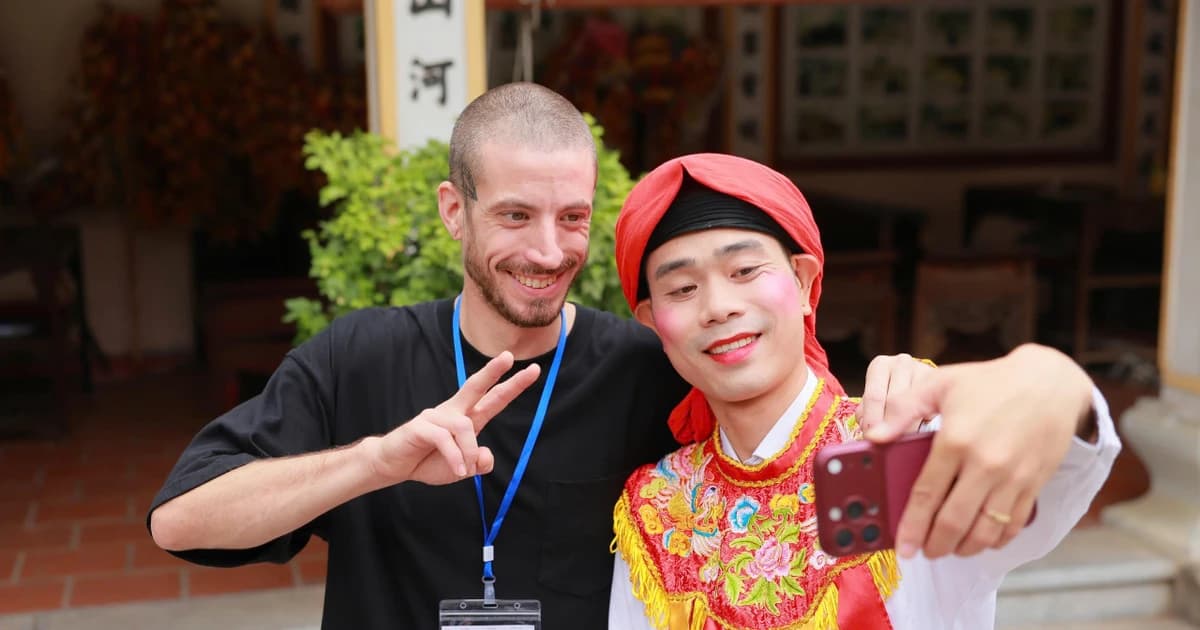
The worship of Mother Goddess is a long-standing folk belief that has developed within the spiritual and cultural life of the Vietnamese people. A distinctive feature of the Tam Phu Mother Goddess worship is the harmonious combination of spiritual rituals with various folk art forms such as Chầu Văn singing, dance, performance, costumes, and traditional festival activities. Furthermore, the art of Chầu Văn singing, with its unique melodies, musical instruments, and performance styles, creates a cultural space rich in artistic expression.
These practices not only meet spiritual needs but also contribute to preserving traditional cultural values, from music , clothing, and language to customs and traditions of the community.
In particular, the Mother Goddess worship tradition elevates the image of women, expressing respect for the role of mothers in the family and society, and conveying humanistic concepts of compassion, tolerance, a benevolent spirit, and a sense of community cohesion.

Ninh Binh has long been considered one of the leading centers of the Tam Phu and Tu Phu Mother Goddess worship. According to statistics from the Department of Culture, Ninh Binh currently has 352 historical and cultural relics related to the worship and co-worship of the Mother Goddess, including 220 shrines, 16 temples, 72 pagodas with co-worship, and 44 communal temples and communal houses with village tutelary deities; the Vu Ban commune alone has nearly 20 relics located within the Phu Day relic complex; this is a place closely associated with the formation, development, and practice of the worship of Saint Mother Lieu Hanh.
In particular, the Phu Day historical complex is not only a center for worshipping Saint Mother Lieu Hanh but also a space preserving many architectural, artistic, and traditional festival values.
The complex comprises a system of temples, shrines, pagodas, and mausoleums, including notable sites such as Tien Huong Shrine, Van Cat Shrine, and Mausoleum of the Mother Goddess. Each site bears unique imprints of its historical formation, architecture, and religious practices.
Every year, in the third lunar month, the Phu Day Festival is held with many traditional rituals such as the procession of the Mother Goddess, sacrificial ceremonies, ceremonial singing, spirit medium rituals, and folk games. The festival attracts a large number of people and tourists from all over, becoming an opportunity for the community to express their reverence for the Holy Mother Goddess, while maintaining and passing on traditional cultural values.
Besides Phu Day, Phu Quang Cung in Yen Dong commune is also an important site in the practice of Mother Goddess worship. The site is associated with the legend of Saint Mother Lieu Hanh and preserves valuable documents for research on the formation and development of the belief. The presence of these two centers contributes to clarifying the richness, diversity, and cultural exchange and adaptation of Mother Goddess worship in Vietnamese life.
Proactively preserve and promote the value of heritage.
On December 1, 2016, at the 11th session of the Intergovernmental Committee for the Protection of Intangible Cultural Heritage held in Ethiopia, UNESCO officially inscribed the Vietnamese practice of worshipping the Mother Goddess of the Three Realms on the Representative List of Intangible Cultural Heritage of Humanity; this is an important recognition of the cultural values created, preserved, and passed down through many generations by the Vietnamese community.
After the heritage site was inscribed, the local authorities continued to pay attention to its preservation and promotion. The People's Committee of Nam Dinh province previously issued a plan for the protection and promotion of the value of the Tam Phu Mother Goddess worship practice until 2030, identifying key tasks in managing and protecting the site, promoting the role of the community, and raising awareness of the heritage's value.
Activities related to inventorying, documenting, restoring, and maintaining traditional rituals are emphasized. Local authorities are concerned with protecting the landscape and architecture of Mother Goddess worship sites; encouraging experienced artisans, mediums, and musicians to participate in teaching and guiding the younger generation to practice the heritage according to proper standards.

In particular, promoting the role of the community is identified as a top priority. This is because intangible cultural heritage does not only exist in architectural works or archival documents, but is primarily maintained through the regular practices of the people. Artisans, temple keepers, mediums, musicians, and those closely associated with the historical sites are the direct force in preserving and transmitting cultural values.
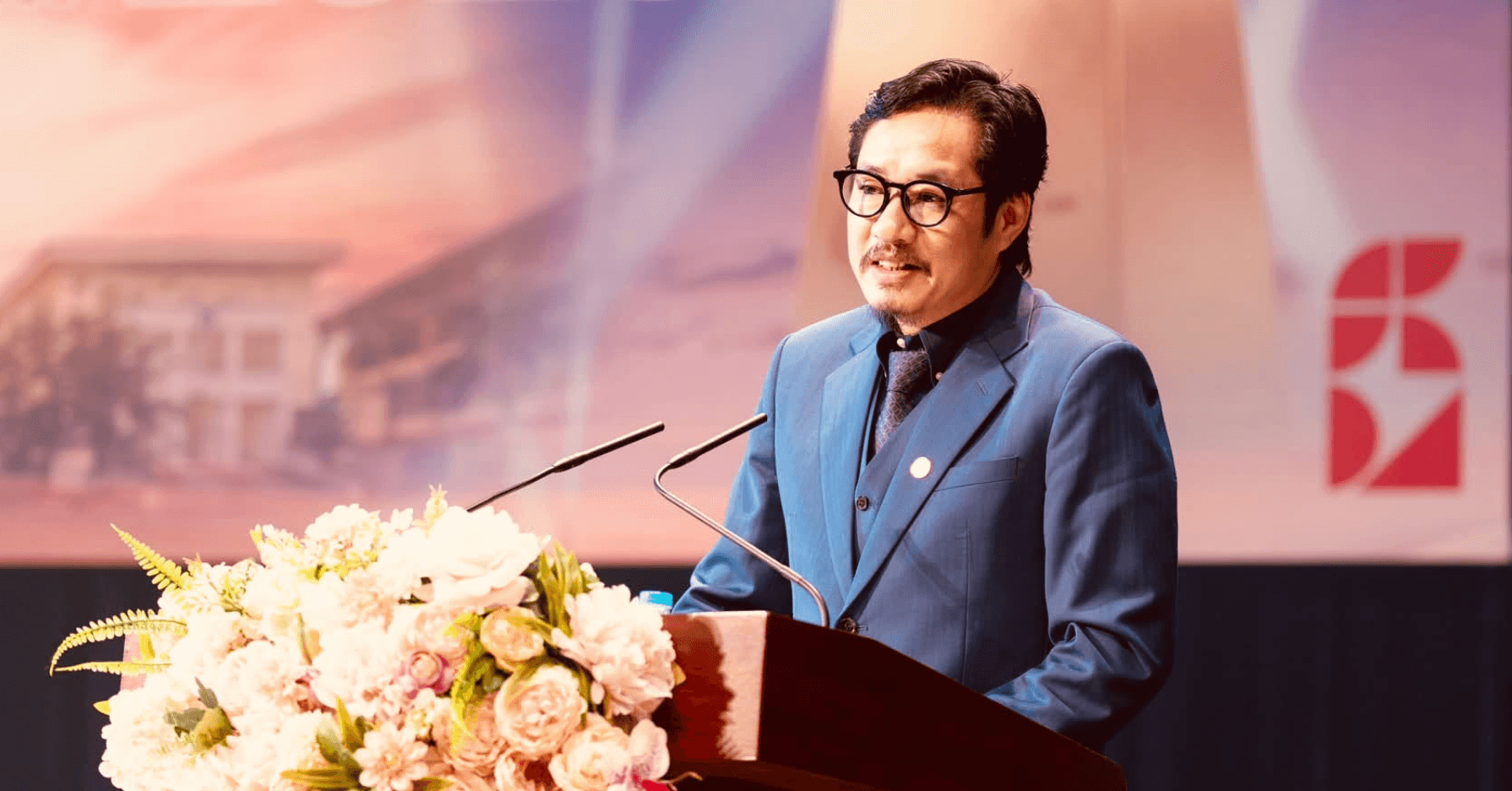
Distinguished Artisan Tran Thi Hue, President of the Association for the Protection and Promotion of the Heritage of the Tam Phu Mother Goddess Worship of the Vietnamese People in Ninh Binh Province, is one of those directly involved in preserving, practicing, and transmitting this heritage. She emphasized that preserving the core identity of the Mother Goddess religion is the responsibility of the community, and the Association focuses on transmitting standard rituals, avoiding deviations in the practice of the belief.
In reality, with the attention of the government and relevant agencies, many activities involving exchanges, performances, and presentations of Mother Goddess worship rituals have been organized, contributing to raising community awareness of the heritage's value.
Notably, on October 14, 2026, at Tien Huong Palace within the Phu Day historical complex, the Head of UNESCO's Representative Office in Vietnam attended an event honoring heritage sites.
At the program, 41 individuals, including artisans, practitioners of the heritage, and members of the Association for the Protection and Promotion of the Tam Phu Mother Goddess Worship of the Vietnamese people in Ninh Binh province, were awarded Certificates of Merit recognizing their contributions to the protection, practice, and transmission of the heritage. This is a practical encouragement for those who directly preserve the vitality of the heritage in the community.
2026 marks the 10th anniversary of the UNESCO inscription of the Vietnamese practice of worshipping the Mother Goddess of the Three Realms. This is also an opportunity for Ninh Binh province to review the results of preserving and promoting the value of this heritage, while identifying tasks and solutions for the next phase.
The 10th anniversary celebration of the UNESCO inscription of the heritage site is scheduled to be held on December 1st at the Phu Day historical complex in Vu Ban commune. This will be accompanied by an exhibition themed "The Heritage of the Practice of the Mother Goddess Worship in the Three Realms - A Journey of Preservation and Dissemination," a cultural exchange on heritage practices, a performance of the spirit medium ritual, and a scientific seminar on the preservation and promotion of the heritage's value.
The series of activities aims to honor the unique values of the heritage, acknowledge the contributions of artisans and practicing communities, assess the results achieved after 10 years, and propose directions for future conservation.
The practice of worshipping the Mother Goddess of the Three Realms by the Vietnamese people is a precious cultural asset, reflecting the depth of their national consciousness and identity. As one of the cradles of the formation, convergence, and spread of the Mother Goddess worship, the former Nam Dinh region, now Ninh Binh, has the responsibility and favorable conditions to continue promoting the value of this heritage.
Heritage preservation is not just about safeguarding rituals, festivals, or places of worship, but more importantly, about maintaining humanistic values, a spirit of goodness, gratitude, and community cohesion, passing them on to future generations.