Culture - the source of spiritual strength, the foundation and driving force for sustainable national development (Source: Government Electronic Newspaper)
Culture - the source of strength and the foundation for the development of a nation.
The history of the Vietnamese nation is a history of labor, creativity, and struggle to build and defend the country, in which culture has always played a particularly important role. From patriotism, the will for independence and self-reliance, the spirit of solidarity, compassion, and loyalty to the moral principles of remembering one's roots, respecting teachers, diligence, and creativity in labor, these beautiful cultural values have crystallized into the identity and created the immense spiritual strength of the nation.
Throughout the long history of nation-building and national defense, culture has been the source that fostered indomitable will, united the people, strengthened their faith, and created the power for the Vietnamese nation to defeat invading forces and protect its independence, sovereignty , and territorial integrity. This strength is not only demonstrated through victories in the resistance wars but also in the spirit of unity, the will to overcome difficulties, the adaptability, and the creativity of the people in the process of national construction. From the tradition of national defense to the current era of reform, culture has always been a persistent source nurturing the national spirit, inspiring aspirations for progress and the will for self-reliance and self-strength.
In the context of deep international integration, a rapidly developing market economy, and digital transformation , the role of culture is becoming increasingly important. Culture not only contributes to preserving national identity but also shapes national values, cultural values, and the standards of Vietnamese people; it regulates behavior, strengthens beliefs, creates social consensus, and enhances the country's competitiveness. Economic development must go hand in hand with cultural development; growth must be linked to progress, social equity, and improved quality of life. The measure of development is not just the numbers of growth rate or income, but also the level of happiness and the opportunities for each citizen to access and enjoy cultural values.
Bringing about fundamental changes in thinking and policies for cultural development.
On January 7, 2026, the Politburo issued Resolution No. 80-NQ/TW on the development of Vietnamese culture, marking a new stage in the Party's thinking and political determination regarding the cause of building and developing culture. The Resolution further affirms the particularly important position and role of culture and people; identifying culture as the foundation, an important endogenous resource, a great driving force, a pillar, and a regulating system for the rapid and sustainable development of the country.
The core of the Resolution is the requirement to place culture on par with economics , politics, and society; ensuring that culture permeates all aspects of life and every development decision. This not only affirms the position of culture but also demands genuine innovation in leadership, management, investment, and implementation thinking.
To concretize that policy, on April 24, 2026, the National Assembly issued Resolution No. 28/2026/QH16 on the development of Vietnamese culture, creating an important legal basis for implementing breakthrough mechanisms and policies. The Resolution stipulates that the State shall ensure that the annual expenditure on culture is at least 2% of the total state budget expenditure and gradually increases according to development requirements, while encouraging the mobilization of social resources to invest in culture; affirming that investing in culture is investing in people, in the quality and future development of the country.
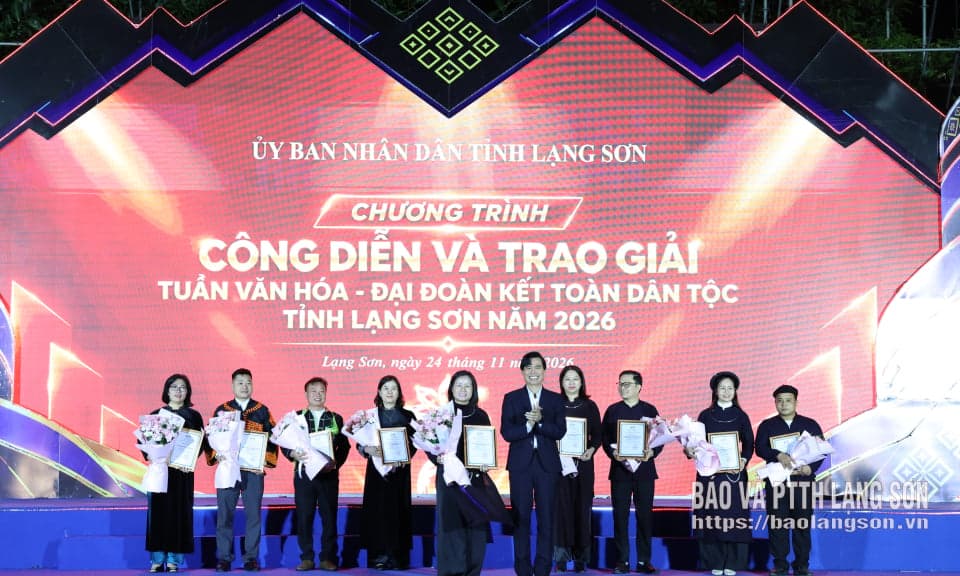
In particular, the Resolution unanimously chose November 24th each year as Vietnam Culture Day; workers are entitled to a day off with full pay. The choice of November 24th is linked to the historical milestone of November 24, 1946, when the First National Cultural Conference opened in Hanoi, with the participation of President Ho Chi Minh and a large number of delegates representing intellectuals, artists, and cultural figures from across the country. This historical event affirms the vision and profound concern of the Party, the State, and President Ho Chi Minh for the role of culture in the revolutionary cause.
Vietnamese Culture Day is not only an occasion to honor the beautiful values of the nation but also demonstrates the concern of the Party and the State for the people's right to create, access, and enjoy culture. The significance of this day goes beyond commemorative activities; it needs to be transformed into regular action and a responsibility of every level, every sector, every family, and every citizen in building a healthy cultural environment, preserving identity, and spreading humane standards.
Promoting cultural identity and transforming heritage into a resource for development.
Tuyen Quang is a land rich in historical and revolutionary traditions, and also a space where many unique cultural values of various ethnic groups converge, interact, and crystallize. Each region and community preserves customs, traditions, languages, scripts, costumes, festivals, folk songs, folk dances, and folk knowledge passed down through generations. These are not only invaluable spiritual assets but also important resources that create the identity, attractiveness, and development potential of the locality.
Unique cultural values such as the Then music and zither playing of the Tay and Nung people; the Pao Dung singing of the Dao people; the khene flute, folk songs, and traditional festivals of the Mong people; the fire dance festival of the Pa Then people; the coming-of-age ceremony, the Long Tong festival, and many other beautiful customs and traditions reflect the rich spiritual life, historical depth, intellect, and creativity of ethnic communities. Each heritage not only contains the memories and identity of a community but also contributes to the diversity and unity of Vietnamese culture.

The fire-dancing festival of the Pà Thẻn ethnic group (Source: Family and Society Newspaper)
In particular, Tuyen Quang holds a significant position in the history of the Vietnamese revolution, associated with historical landmarks such as Tan Trao - the capital of the liberated zone and the capital of the resistance; and Kim Binh - the site of the Second National Congress of the Party. These historical relics, revolutionary sites, and cultural heritage are vivid testaments to the patriotic tradition, revolutionary spirit, will for independence and self-reliance, and the strength of national unity. This is a particularly valuable resource for educating about traditions, fostering national pride, and developing historical and cultural tourism.

Tan Trao Temple - a significant site for educating about revolutionary traditions (Photo: Collected)
Therefore, preserving and promoting cultural values is crucial so that heritage continues to thrive within the community, is passed down through generations, and creates practical value in daily life. Unique cultural values should be integrated with landscapes, historical sites, cuisine, handicrafts, and experiential activities to form in-depth and competitive historical, cultural, community, and ecological tourism products. Through this, culture is not only preserved but also becomes a source of livelihood, creating jobs, increasing income, and improving the lives of the people.
Innovate thinking, create breakthroughs in institutions and resources, and make culture a driving force for development.
To realize the goals and directions of Resolution No. 80-NQ/TW and Resolution No. 28/2026/QH16, it is crucial to shift strongly from a management and conservation mindset to a constructive, development, and value-enhancing mindset; from correct understanding to decisive, focused, and measurable action.
First and foremost, all levels and sectors need to promptly concretize the central government's policies into programs and plans that are appropriate to local realities; clearly defining objectives, tasks, roadmaps, and responsibilities for implementation. Socio-economic development plans must be linked to the preservation and promotion of cultural values; the selection of tasks and allocation of resources should be focused, prioritizing disadvantaged areas, heritage sites at risk of disappearing, and cultural institutions that are truly necessary and capable of serving the community.
Mobilize and effectively utilize investment resources for culture. Focus on encouraging businesses, organizations, and individuals to participate in investing in, sponsoring, and supporting cultural activities; develop public-private partnerships, cultural industries, the creative economy, and cultural products and services. At the same time, pay attention to training, nurturing, rewarding, and honoring artisans, those who have contributed to preserving and transmitting heritage, artists, and those directly involved in creating and preserving cultural values.
Linking heritage preservation and promotion with tourism development and improving people's lives. Selecting unique cultural values to build tourism products with depth, identity, and competitiveness; strengthening the connection between historical sites, scenic spots, and ethnic cultural spaces with tourist routes and destinations; encouraging people to participate in the development of community tourism, cultural services, and traditional handicrafts.
Promoting digital transformation in the cultural sector; applying science and technology in inventorying, digitizing, storing, promoting, and exploiting heritage data; developing digital media products and cultural spaces to bring cultural values closer to the public, especially the younger generation. Simultaneously, building a healthy cultural environment in cyberspace, enhancing information reception capacity, the ability to select and resist harmful cultural products, and protecting national cultural identity in the process of integration.
Enhance the effectiveness and efficiency of state management; strengthen decentralization and delegation of power coupled with accountability; promote the leading role of the community in preserving and promoting heritage. Simultaneously, strengthen inspection and supervision of the implementation of cultural policies and laws, promptly addressing shortcomings in the management and use of resources, investment in cultural institutions, and the organization of cultural activities at the grassroots level.
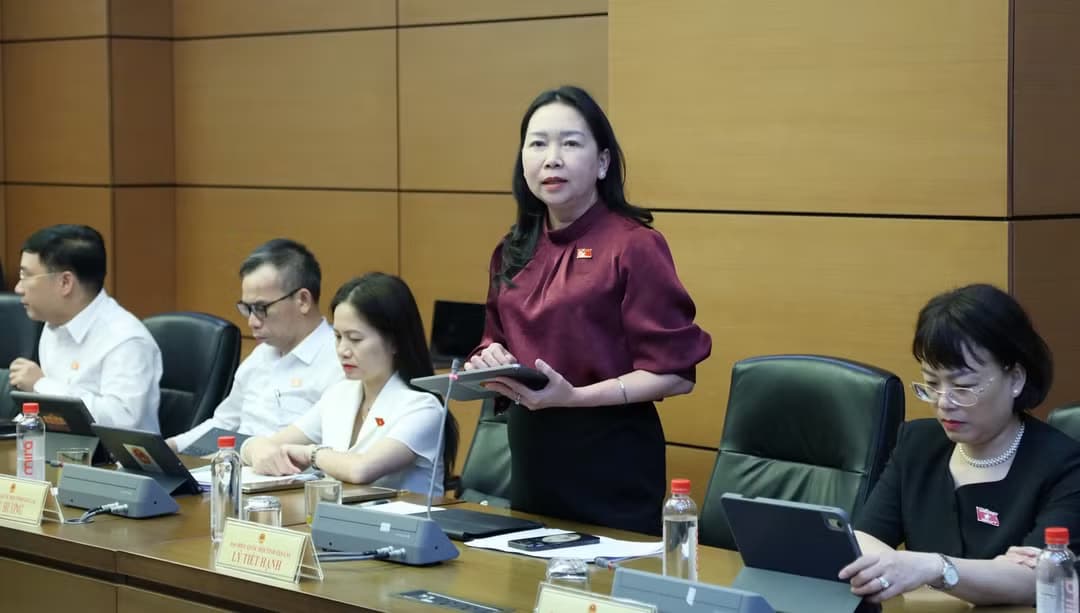
People's Councils at all levels bear crucial responsibility in deciding on socio-economic development policies and measures, enacting policies within their authority, allocating local budgets, and supervising the implementation of cultural policies and laws. These are crucial steps in transforming policies into tangible resources and results. Decisions must stem from practical needs, be appropriate to the characteristics of each region and target group, have guaranteed resources, and be geared towards the practical interests of the people.
The supervisory activities of the People's Council should focus on evaluating the actual results and effectiveness. Through supervision, timely recommendations should be made to address difficulties, improve policies, and enhance the efficiency of resource management and utilization. This will ensure that each cultural policy decision is not only correct in principle but also practical in life, creating recognizable and verifiable changes.
Integrating culture into daily life and inspiring aspirations for development.
Vietnam Culture Day, celebrated annually on November 24th, is an occasion to honor national cultural values, spread humanistic spirit, and awaken each individual's responsibility towards the cause of building and developing culture. However, the profound meaning of this day lies not only in commemorative activities or cultural enjoyment, but must be demonstrated through regular awareness and actions in every family, school, agency, unit, and community.
Every citizen needs to become an active participant in creating, preserving, and disseminating cultural values; each family should be a fundamental cultural environment; each residential area should be a space of cultural unity and civility; and each agency and unit must build a culture of public service, professional ethics, and a sense of responsibility. In particular, emphasis should be placed on educating about traditions, cultivating character, lifestyle, and a desire to contribute in the younger generation; creating conditions for culture to truly become the foundation for the formation of well-rounded individuals with knowledge, morality, courage, and responsibility to the community.
Unleashing cultural strength means unleashing the power from the nation's roots; nurturing human potential means building a foundation for the future; promoting cultural values is creating momentum for sustainable development. The spirit of Resolution No. 80-NQ/TW of the Politburo and Resolution No. 28/2026/QH16 of the National Assembly needs to be concretized through practical policies, guaranteed resources, clear responsibilities, and verifiable results. This is also the path to building an advanced Vietnamese culture, rich in national identity, while strongly promoting the inherent strength of culture and people, contributing to building a more prosperous, civilized, rapidly developing, and sustainable Tuyen Quang province.