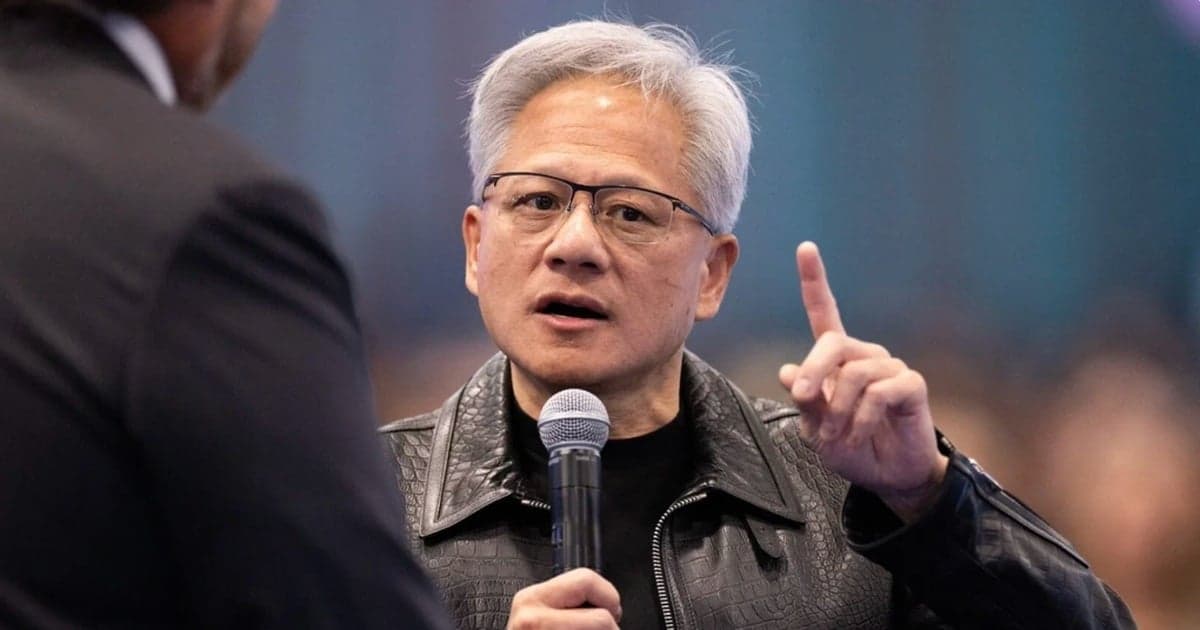
The "compass" that helps businesses stay on track.
According to Dr. Pham Ngoc Lang, Deputy Director of the Institute of Business Intelligence, in the context of an economy strongly shifting towards green growth, the digital economy, and sustainable development, corporate culture cannot be considered solely through the narrow lens of personal ethics or pure social responsibility. It must be positioned as a strategic endogenous resource – equivalent to financial capital, technology, or infrastructure. The reason lies in the following core aspects: From "self-cultivation" to "managing the family and governing the nation": Personal ethics is the starting foundation, but when entering the business world, the culture of the leader is the operating system that shapes the vision, business philosophy, and leadership style of the entire organization;

Resources that create long-term competitive advantage: In an era where technology and finance are easily copied, corporate culture, manifested through integrity, a desire to contribute, innovative thinking, and a spirit of service to the country, is the only factor that creates unique differentiation; A launching pad for sustainable development: An economy that wants rapid and sustainable growth needs generations of entrepreneurs who prioritize "Trust" and "Integrity," balancing economic profit with social/environmental value, thereby creating resilience against market shocks and building strong trust from stakeholders (customers, partners, investors).
Dr. Pham Ngoc Lang, Deputy Director of the Institute of Business Intelligence:
“A truly competitive culture should be one that encourages engagement, allows for experimentation, and embraces smart risk-taking. When employees feel safe to express their opinions and be creative, the company's innovative capacity will surge, directly boosting overall productivity!”
According to Dr. Pham Ngoc Lang, deep international integration and the unpredictable fluctuations of the global economy require Vietnamese entrepreneurs to possess a set of values that reflect the times, distilled from national traditions and global thinking. This resilience is embodied in core values: A spirit of commitment and aspiration to reach international stature: Not content with just domestic operations, modern Vietnamese entrepreneurs need to possess the ambition to conquer the global market, dare to think big, act big, and bring Vietnamese brands to the world; Innovative thinking and strategic flexibility: Resilience in the digital age does not lie in clinging to old models, but in the ability to "swim against the current," quickly adapting to new technologies ( AI , digital transformation), circular business models, and green consumption trends.
Unwavering commitment to core values and business ethics: Amidst countless short-term competitive pressures, the true strength of an entrepreneur lies in unwavering commitment to quality, transparency, and respect for the law . Business ethics at this time serves as a "compass" guiding the business in the long run without fear of straying from its path; Social responsibility and a spirit of community service: A strong entrepreneur in the modern era always links the prosperity of the business with the development of the community, the nation, and the planet – demonstrated through commitments to sustainable development and ESG (Environmental, Social, and Governance).
Inner strength helps accelerate growth.
Affirming the role of cultural and corporate values as a "support" for the economy and the sustainable development of businesses, Mr. Nguyen Van Truong, Director of Xuan Truong Construction Private Enterprise, shared: "For Xuan Truong, from spiritual projects to key transportation infrastructure projects, we always aim to combine the preservation and promotion of cultural values with economic development. Because a project not only needs to meet immediate requirements but also must have a ripple effect, promoting tourism and services, creating livelihoods for people, strengthening regional connectivity, and expanding development space."
According to him, in the new era, private enterprises need to proactively participate in strategically important fields, leverage social resources, and work alongside the State in developing infrastructure and enhancing national competitiveness. “The spirit of Resolution No. 80-NQ/TW of the Politburo on the development of Vietnamese culture further affirms that culture is not only a spiritual foundation but also an endogenous resource and driving force for sustainable development. Therefore, the mission of entrepreneurs is not only to take their businesses further but also to harmoniously combine the preservation of cultural values and economic development, transforming heritage potential into resources, turning each project into a driving force for growth, creating livelihoods and opening up opportunities for prosperity for the homeland and the country for generations to come,” affirmed the Director of Xuan Truong Construction Private Enterprise.
Referring to this important point, Mr. Nguyen Manh Linh, Deputy Director of Dai Phong Infrastructure Construction Joint Stock Company, said that for Dai Phong, corporate culture is not only the foundation of management but also an intrinsic strength that determines the ability to develop sustainably. The company takes "Trust" as its root, discipline as its foundation, and the quality of construction as the measure of its capabilities. Especially in the field of infrastructure construction, each project is not simply a business activity but is also linked to the responsibility of using resources efficiently, building trust, and contributing to the long-term development benefits of society.

"In the context of the country entering a new era of development, I believe that private enterprises need to move beyond a growth mindset focused on scale and instead aim for improved quality, management capacity, and competitiveness. This is also the basis for Vietnamese construction enterprises to proactively participate in strategic infrastructure projects, contributing to attracting investment, developing industry and logistics, and expanding the growth space of the economy," Mr. Nguyen Manh Linh stated.
Based on his knowledge and experience, the Deputy Director of the Institute of Business Intelligence concluded that corporate culture, or the vision of leadership, will remain abstract slogans if it is not "materialized" into a management system and operational processes. To transform corporate culture into genuine productivity and competitiveness, he believes it needs to be institutionalized into a company philosophy and value system. Firstly, the vision, mission, and core values of the entrepreneur must be written into company regulations and rules, clearly defining which behaviors are encouraged and which red lines should not be crossed. Secondly, culture must be integrated into core management processes: culture must be present in recruitment strategies (selecting people who fit the culture), performance measurement systems, compensation mechanisms, and promotion paths. When behaviors aligned with the culture are rewarded appropriately, culture will naturally generate productivity.
Furthermore, leadership must be demonstrated by example. Entrepreneurs cannot demand innovation, discipline, or dedication from their employees if the leaders themselves do not demonstrate these qualities daily. "The work style, decision-making speed, and crisis management attitude of the leader are the most tangible lessons in organizational culture for the entire organization," emphasized Dr. Pham Ngoc Lang.
A ship that wants to sail far needs not only a sail full of wind, but also a steady oar and an accurate compass to avoid being veered off course amidst rough seas. Similarly, a business that wants sustainable development cannot rely solely on capital, technology, or market opportunities, but needs a solid cultural foundation to shape its character and guide all business decisions. Corporate culture, therefore, is not merely a decorative value for the brand, but rather an intrinsic strength, a foundation that enables businesses to stand firm in the face of change, grow through challenges, and reach new horizons.
When each entrepreneur takes "Integrity" as the foundation, "Trust" as the priority, "Intelligence" as the basis, and social responsibility as the "guiding principle," these "economic ships" will not only go further, but also contribute to elevating Vietnamese brands, affirming their position and identity on the journey of integration...

Mr. Nguyen Huu Thang, Chairman of the Board of Directors of HJC Investment and Construction Group Joint Stock Company:
“In this new era of development, corporate culture is not only demonstrated through business acumen but also through strategic vision, innovative thinking, and the ability to transform aspirations into practical values. In the investment and construction sectors, corporate culture must be affirmed by the quality of projects, investment efficiency, and responsibility to the community.”
Each construction project is not only the result of production and business activities but also reflects the management capacity, technological level, and responsibility of the enterprise towards overall development. In the context of the country's accelerated development of strategic infrastructure, Vietnamese construction enterprises need to proactively innovate management methods, enhance competitiveness, apply modern technology, and efficiently utilize resources. Through this, they can gradually affirm the role of the private sector in infrastructure development, promote regional linkages, and expand the space for economic development.”