At the National Conference on Energy Saving and Efficiency in 2026, the Ministry of Industry and Trade stated that, during the period 2020-2025, The whole country maintains electricity savings of over 2% of total electricity consumption each year.
In particular, within the framework of the National Program on Energy Saving and Efficiency, approximately 2,000 businesses have received technical support to conduct energy audits and develop management models.
This is an important foundation for encouraging businesses to innovate equipment and improve energy efficiency.

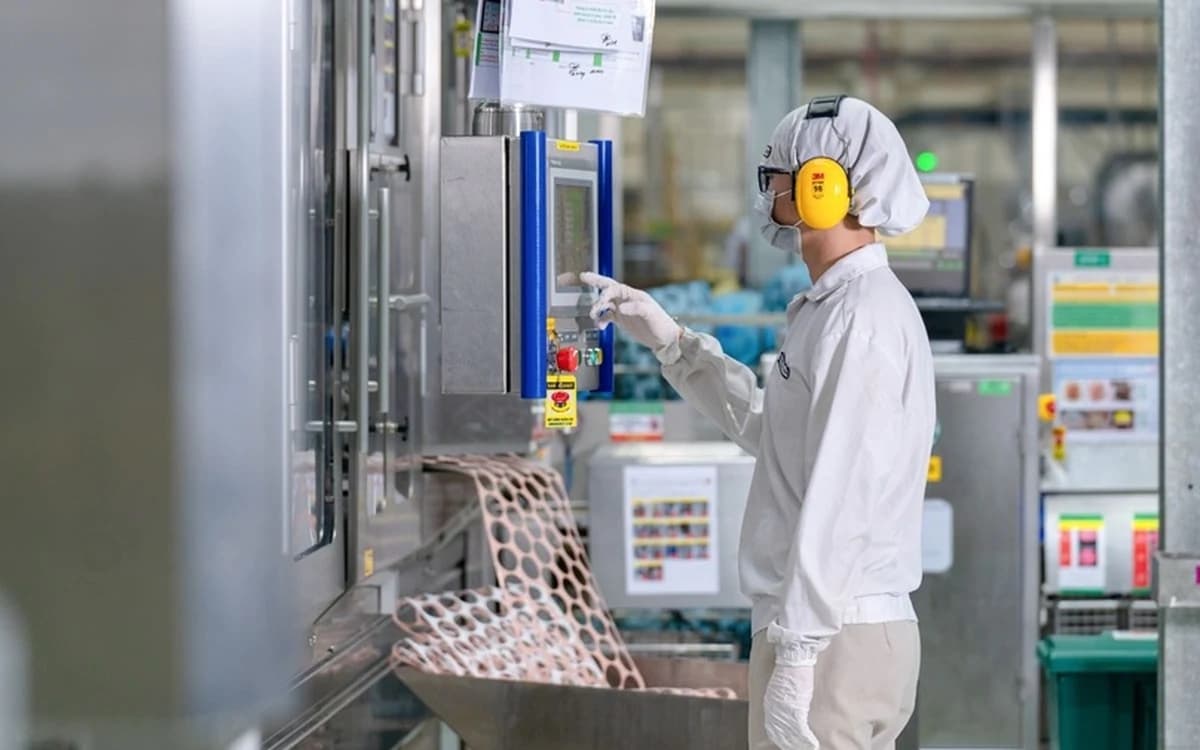
Innovate equipment and optimize energy usage processes. (Illustrative image.)
In manufacturing operations, many businesses can save energy by replacing old motors with high-efficiency equipment, using LED lighting systems, installing variable frequency drives for machinery, and applying automated control technology.
For processing facilities, heat recovery systems and improved refrigeration equipment can also help reduce electricity and fuel consumption during operation.
To implement this effectively, businesses need to monitor energy consumption at each stage, identify equipment that uses a lot of electricity, and develop appropriate improvement plans.
Conducting regular energy audits helps identify areas of waste, thereby enabling the selection of technologies that offer genuine energy savings and are suitable for the available investment capital.
Efficiency should be evaluated through electricity consumption per unit of product, energy costs, payback period, and emission reductions after improvements. Businesses can also collaborate with consulting firms and scientific and technological organizations to access appropriate technical solutions and support.
With the practical orientations of Resolution No. 19-NQ/TW dated July 28, 2026 and Decision No. 3663/QD-BKHCN, the application of science and technology should aim at increasing productivity, efficiently utilizing resources, and improving the quality of growth.
When energy saving becomes a component of technological innovation strategies, businesses not only reduce production costs but also enhance competitiveness and adapt to the requirements of sustainable development.