US tariffs are a variable to watch.
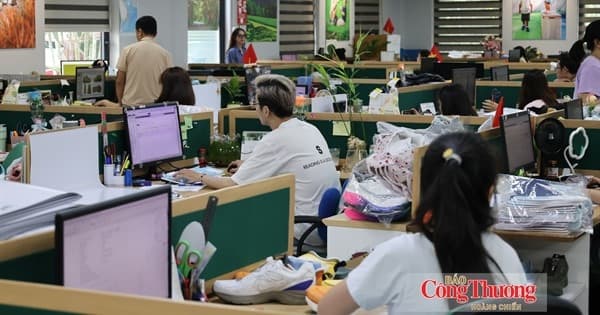
Today (November 26th), at the seminar "Investment Strategy 2027: Seizing Opportunities," Mr. Tran Hoang Son - Director of Market Strategy at VPBank Securities Company (VPBankS) - stated that the Vietnamese economy next year will have many driving forces from industrial production, public investment, foreign direct investment, and exports. The wave of artificial intelligence investment worldwide could also create additional demand for electronic products, components, and technology infrastructure, opening up opportunities for Vietnamese businesses to participate more deeply in the supply chain.

However, this also presents a potential risk. As exports increase sharply, the amount of imported components and raw materials for production also increases, placing Vietnam among the countries with a large trade surplus with the United States.
Mr. Son mentioned that the US is considering imposing additional tariffs of approximately 35% on goods from Vietnam and many other economies. Mr. Son expressed hope that Vietnam could continue negotiations to lower the tariffs, similar to previous instances.
Conversely, lower oil prices and inflation are expected to create room for reducing capital costs. According to Mr. Son, deposit interest rates may decrease from Q2 to Q3 2027, while lending interest rates may cool down from Q3 to Q4. This will help businesses reduce financial pressure and improve profitability.
Choose companies instead of guessing the VN-Index.
From a long-term perspective, Ms. Nguyen Hang Nga, General Director of Vietcombank Securities Investment Fund Management Company Limited (VCBF), believes that it is very difficult to accurately predict the market in the short term. Success in investing does not necessarily come from correctly predicting the VN-Index, but rather from the ability to choose good companies with increasing value over time and to acquire assets at a reasonable price.
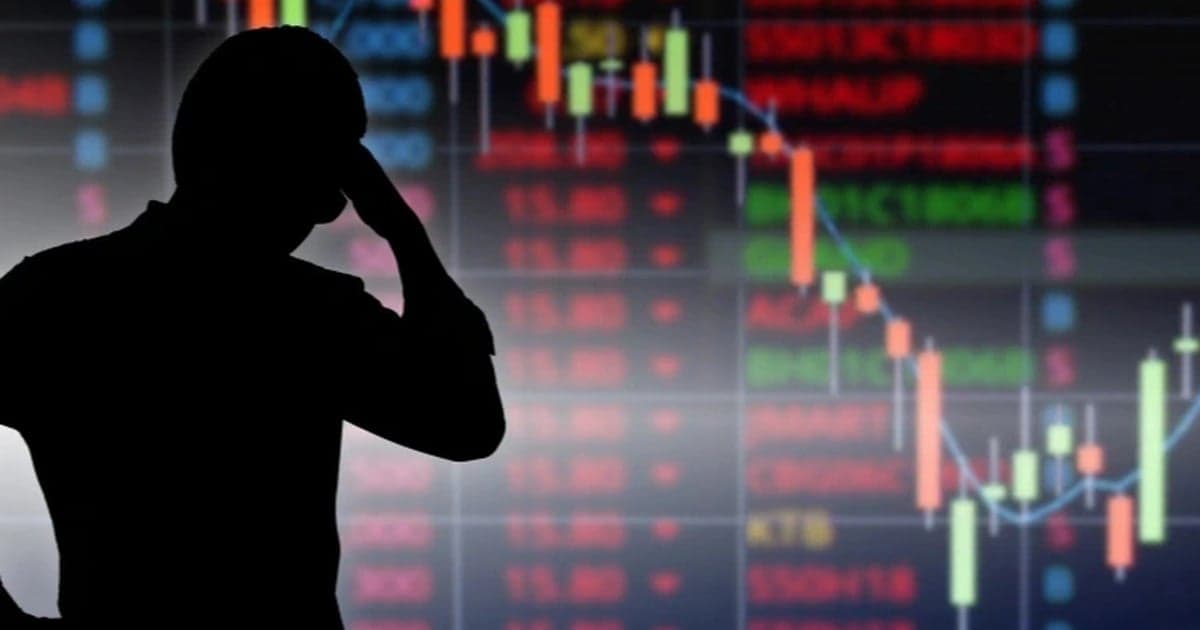
Ms. Nga cited that earlier this year, out of 17 companies that issued forecasts, only one predicted a market decline by the end of the year, while the remaining 16 predicted an increase of 8-23%. This fact shows that market forecasts can be significantly inaccurate. According to Ms. Nga, investors need to accept volatility and risk when investing in stocks, instead of expecting a strategy that will never lose money.

Market prospects are also linked to infrastructure upgrades and institutional improvements. Ms. Le Thi Viet Nga, Vice Chairwoman of the State Securities Commission, stated that the regulatory body is implementing a comprehensive market monitoring system, a centralized data warehouse, and plans to launch a central clearing partner in early 2027. These steps aim to improve operational quality and accessibility for foreign investors.
What is the OECD's assessment of Vietnam's capital market?
On November 26th, the Organization for Economic Cooperation and Development (OECD) released its 2026 Vietnam Capital Market Assessment Report. Carmine Di Noia, Director of the OECD's Finance and Corporate Affairs Division, assessed that Vietnam has made significant progress in strengthening its capital market. Recent reforms have also contributed to the Vietnamese stock market being upgraded to a secondary emerging market by FTSE Russell.
Deputy Minister of Finance Nguyen Duc Chi emphasized that upgrading the rating is not the ultimate goal, but the beginning of a new journey that demands higher quality, transparency, and sustainability. In particular, corporate governance is the foundation for improving business quality and strengthening investor confidence.