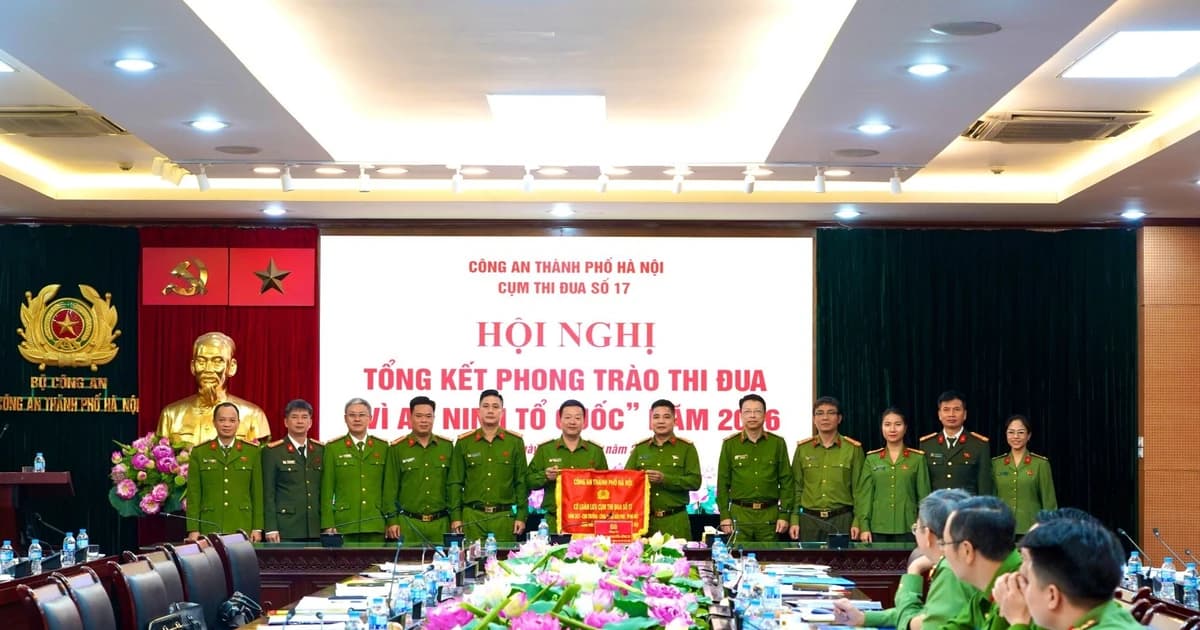
The training course took place over two days (November 20th and 21st), with the participation of over 60 police officers working in drug rehabilitation and post-rehabilitation management in the community from the provinces and cities of Gia Lai, Lam Dong, Dak Lak, Ho Chi Minh City, Dong Nai City, Tay Ninh, Vinh Long, Dong Thap, Ca Mau, An Giang and Can Tho City.

Colonel Tran Van Thi, Deputy Director of the Ca Mau Provincial Police, said that the training aims to improve the quality and effectiveness of drug addiction treatment and post-treatment management at the grassroots level, meeting the requirements of the National Target Program on Drug Prevention and Control in 2026.
The Deputy Director of the Ca Mau Provincial Police Department requested that the lecturers uphold a high sense of responsibility, meticulously prepare the teaching content, closely integrate theory and practice, and enhance exchange and guidance in resolving common situations. As for the trainees, they should demonstrate a proactive and diligent spirit in their studies, frankly discuss difficulties encountered during the performance of their duties, and focus on applying the knowledge and skills acquired to their professional work in their localities.

At the conference, participants were briefed on and updated on the Party's guidelines, State policies and laws on drug prevention, control and rehabilitation; an overview of drug-related crimes and social evils, and knowledge about drug addiction; and intervention and support measures for addicts.
Specifically, the training content focuses on guiding the procedures, authority, and responsibilities in receiving, classifying, advising on registration, and creating records for drug addiction treatment in the community; social support work, post-treatment management, and mobilizing families and the community to participate in helping addicts.


The trainees simultaneously studied and thoroughly understood the regulations in Conclusion No. 132-KL/TW of the Politburo on continuing to implement Directive No. 36-CT/TW of the Politburo on strengthening and improving the effectiveness of drug prevention, control, and management; the Law on Drug Prevention and Control; and other relevant legal documents. This helped officials grasp the legal basis, standardize implementation procedures, and minimize errors in handling drug rehabilitation procedures at the facility.
Besides legal and professional knowledge, the training course focuses on equipping participants with skills in psychological counseling; supporting behavioral rehabilitation, applying cognitive behavioral therapies in relapse prevention; and methods for managing, educating , and supporting addicts to stabilize their lives and reintegrate into the community. This is an opportunity for local officers to exchange experiences, share knowledge, and resolve difficulties and obstacles arising from practical situations.
Practical experience in drug prevention and control shows that, in addition to combating and prosecuting crimes, drug rehabilitation, managing addicts, and supporting their reintegration into the community play a crucial role in preventing drug-related crimes and social ills at the grassroots level.
Meanwhile, voluntary drug rehabilitation at home and in the community still faces difficulties in terms of service provision conditions, professional knowledge, and counseling and support skills for addicts. Therefore, professional training for the forces directly carrying out the task, especially the commune-level police, is of great importance and appropriate to the actual situation.
Through this training course, police officers will strengthen their legal knowledge, improve their advisory capacity, and enhance their skills in implementing drug rehabilitation and post-rehabilitation management procedures; promote the role of families and communities in supporting drug addicts; improve the effectiveness of drug prevention and control work at the grassroots level, and gradually achieve the goal of building drug-free communes and wards.