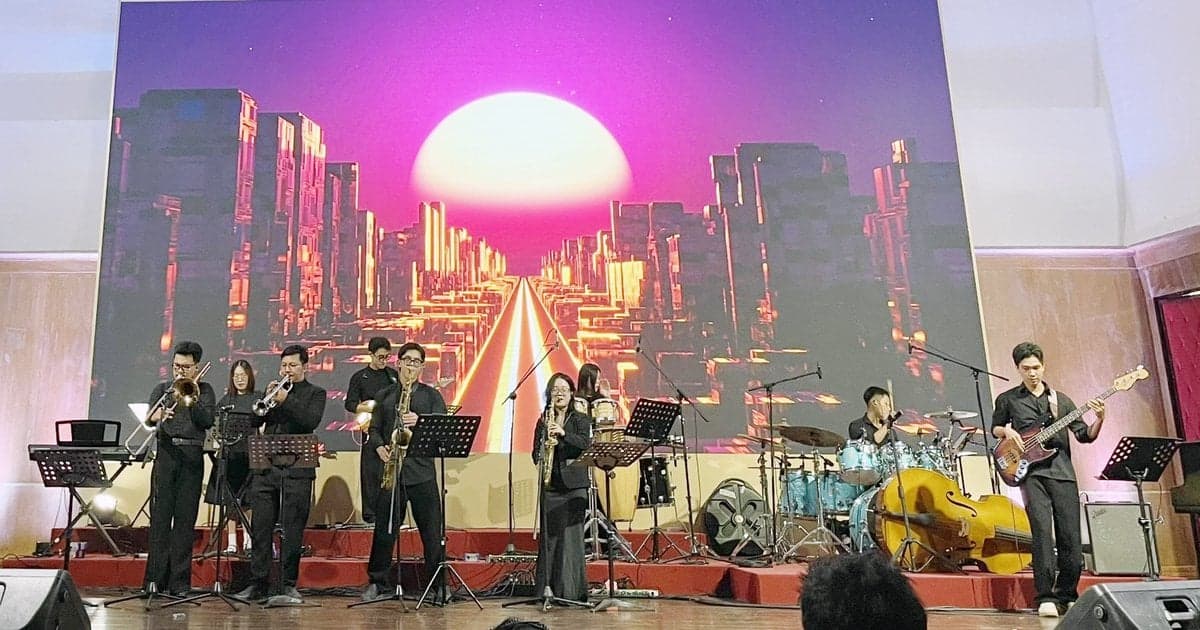
The festivities continued from last weekend with a series of events around Hoan Kiem Lake. Performances, exhibitions, and free admission to historical sites and museums offered further opportunities for people to enjoy the festivities.
Not to mention the concert, expected to attract 50,000 spectators at My Dinh Stadium on the evening of November 24th, which had already generated excitement: from the performing artists to people planning to hunt for tickets to "party." This appeal also demonstrates the potential of the cultural industry. Creative products not only enrich spiritual life but also open up markets, create jobs and revenue, and especially bring heritage closer to young people.
Don't think that with nearly 8,000 festivals a year, one more festival won't cause significant disruption. Vietnamese Culture Day has a meaning far beyond a simple holiday. The spirit of "Culture illuminates the path for the nation," from the first National Culture Conference 80 years ago, and major policy decisions including Resolution 80 on cultural development, is now being embodied in programs that are close to the community. The principle of putting the people at the center, as the creators and beneficiaries of culture, has begun to be concretized in daily life.
Culture truly needs a celebration. It's a time for families to hold hands and visit museums, for children to see a performance for the first time, or to touch the heritage of their ancestors. This shared joy creates a natural and profound connection that no speech can achieve. A day for people to relax, enjoy, and be proud of their national culture is invaluable.
But culture certainly cannot be like fireworks that briefly illuminate a festive night. A single day of celebration cannot replace the work of an entire year or a whole term. What is more urgent are fundamental changes, starting with policies implemented in practice. People cannot simply enjoy a special day and then face inactive institutions and programs that are too far out of their reach.
Resolution 80 stipulates that at least 2% of the total annual state budget expenditure should be allocated to culture. This figure is only meaningful when resources are channeled appropriately. Libraries in remote areas should have new books and readers. Cultural centers should be regularly illuminated, instead of only opening for meetings or infrequent performances. Schools should create opportunities for children to regularly engage with music , art, and heritage. Theaters, historical sites, and museums should have appropriate policies to make them easily accessible to working families. And culture is not confined to museums, stages, or grand structures. It is nurtured from the family dinner table, where adults listen to their children; from the workplace, where citizens are treated kindly and colleagues respect each other; from apologies after a traffic accident, courtesy in public, and the ability to debate without hurting others. These beautiful behaviors cannot be achieved through a single festival, but must be cultivated and practiced every day.
Vietnamese Culture Day also needs a moment of reflection. Amidst the hustle and bustle, it's a time for each person to look back on how they live, how they interact with family, colleagues, and the community. Government agencies should reflect: Have policies truly reached the people? How many are still outside the system? That's the question that needs answering after days of flamboyant celebrations.
After the festival, people return to their busy daily routines. Will cultural centers still be brightly lit, museums still crowded with visitors, and offices less authoritarian? We can dedicate a day each year to honoring culture. But culture must be present in what people enjoy, in how we live and treat each other every day. Because the cultural stature of a nation, ultimately, lies not only in its proud heritage, but also in how its people live, create, and enjoy cultural values.