Cultural identity – the foundation that makes Vietnam attractive.
In an increasingly interconnected world, what helps a nation make its mark is not only its economic potential or political position, but also its cultural identity and appeal. A country may be known for its development achievements, but to be understood and loved, it needs cultural values that are powerful enough to move and connect people.
Vietnam, with its rich history and diverse 54 ethnic groups, possesses abundant cultural resources. Throughout thousands of years of nation-building and defense, these values have crystallized in the system of heritage, customs, art, lifestyles, and the spirit of its people. These include the melodious Quan Ho folk songs, the distinctive Cheo and Tuong theatrical arts, the solemnity of Hue court music, the free-spiritedness of Southern folk music, and the resonant sounds of the Central Highlands' Gong culture. Each region and each ethnic community contributes its own unique characteristics, creating a diverse yet unified cultural tapestry.

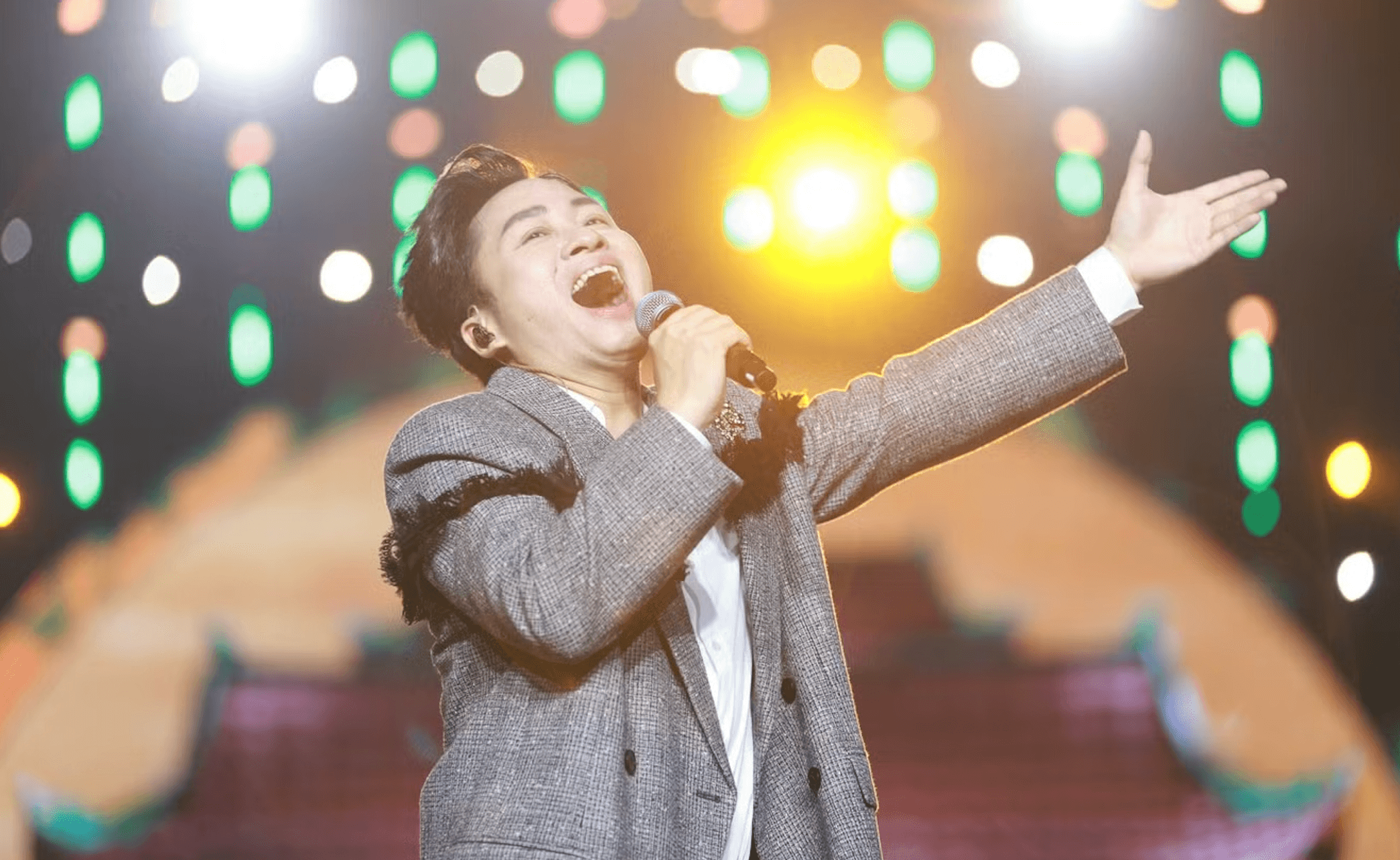
Artists and performers participate in the dress rehearsal for the concert "The Many Colors of Vietnam" - the program will officially take place on the evening of November 24th at My Dinh National Stadium.
Vietnamese identity is not only present in UNESCO-recognized heritage sites or traditional art values, but also vibrant in everyday life. The ao dai (traditional Vietnamese dress), a bowl of pho (Vietnamese noodle soup), a baguette, or dishes with distinctive regional flavors have transcended the boundaries of clothing and cuisine to become familiar images introducing the country and people of Vietnam. Along with these are qualities such as patriotism, solidarity, compassion, hospitality, and resilience – values capable of creating empathy that transcends differences in language, geography, and culture.
However, Vietnamese culture is not only defined by values established in the past. Through interaction and adaptation, traditional elements are constantly being renewed and adapted to modern life. Music, film, fashion , fine arts, and contemporary creative forms are contributing to the image of a Vietnam that is both rich in tradition and dynamic and open.
Culture builds national soft power.
According to Associate Professor Bui Hoai Son, Deputy Head of the Central Propaganda Department, in today's world, besides territorial borders, there are also "invisible borders" that extend through knowledge, data, technology, and spirit. Therefore, national independence today demands a comprehensive and self-reliant development mindset: choosing a unique path without imitation, building a self-reliant economy that masters the value chain, controlling infrastructure and data in the digital space, and especially maintaining cultural sovereignty as the core foundation to protect the dignity, identity, and self-determination of the Vietnamese people against all influences from the world.

Artists from across Asia come to Vietnam to learn and experience the techniques of creating lacquer paintings.
“Culture is not just about cherished memories, but also about how we think, live, love, and choose what is right. We can embrace global products, trends, and technologies, but we cannot lose the right to answer for ourselves: Who are we, what constitutes Vietnamese dignity, and what values do we want to pass on to future generations?” Associate Professor Bui Hoai Son emphasized.
Over the years, Vietnamese Culture Days and Culture Weeks in many countries have become important ways to introduce Vietnamese culture and people to the world. In 2026, many cultural and artistic events will continue to demonstrate their ability to connect and promote the image of the country.
In Hanoi, the Crescendo International Music Festival in July 2026 brought together over 1,300 domestic contestants, more than 70 international contestants from 9 countries and territories, and over 50 international professors, artists, and music experts. The highlight was the art performance "Crescendo - Connecting Symphony," combining world classical works with songs deeply rooted in Vietnamese identity.

International tourists visit the Van Mieu - Quoc Tu Giam National Special Monument.
Meanwhile, the 4th Da Nang Asian Film Festival (DANAFF IV), held from June 28 to July 4, not only showcased Asian and Vietnamese films but also expanded its activities to include training and supporting young talents, connecting with markets, and organizing international seminars on technology, artificial intelligence, intellectual property, and film industry development.
In early October, the second World Culture Festival in Hanoi 2026 attracted 50 countries and international organizations, featuring 45 cultural spaces, 35 food stalls, 19 international art troupes, and programs including film screenings and fashion shows. The event created a space for exchange, allowing the public to access diverse cultural nuances, while affirming the connecting role of culture in building friendship and promoting dialogue between nations.
Abroad, the "Learning from the Way" program at UNESCO headquarters in Paris (France), as part of the activities commemorating 50 years of Vietnam-UNESCO relations and the 950th anniversary of the founding of the Temple of Literature (1076-2026), showcased the value of the Temple of Literature - Temple of Literature through exhibitions, ao dai (traditional Vietnamese dress) fashion shows, woodblock printing experiences, Dong Ho paintings, and Vietnamese cuisine. The program attracted more than 200 delegates from over 100 UNESCO member countries. In Japan, the "Flavors of Vietnam" program on June 14th, featuring Quan Ho folk singing, Cheo folk opera, and other forms of folk performance, also contributed to bringing Vietnamese traditional culture closer to the local public.
These activities demonstrate that, if properly organized, cultural events can go beyond mere performances or presentations, expanding academic exchange, professional collaboration, creative networking, and market development.

Artists and artisans parade to inaugurate "Vietnamese Culture Day" in Hanoi. Photo: Hoa Nguyen.
According to Dr. Truong Thuy Mai, Department of Cultural Studies, Hanoi University of Culture, in the context of increasingly fierce competition among countries to attract tourists, investment, and development resources, cultural events are becoming an effective tool for building destination brands. Many localities have created their own unique mark through events such as the Hue Festival, the Da Nang International Fireworks Festival, the Da Nang Asian Film Festival, or international art activities associated with the orientation of building Hanoi - a creative city.
However, promoting culture and building national soft power are not entirely the same thing. A performance may attract a large audience, a festival may generate positive media attention, but these results alone are not enough to create lasting appeal. Soft power only truly manifests when cultural values help the international public better understand, appreciate, and desire to learn more about Vietnam and its people.
According to Ambassador Pham Quang Vinh, former Deputy Minister of Foreign Affairs and former Vietnamese Ambassador to the United States, cultural diplomacy should not only focus on promoting the image of Vietnam but also on spreading Vietnamese values, contributing to the common values of humanity, and transforming soft power into trust, agreement, support, and international cooperation.

Russian tourists experience making sticky rice cakes at the So communal house relic in Hung Dao commune, Hanoi.
To achieve this, it is necessary to define and condense soft power resources; strengthen communication and build international networks. One of the important tasks is to synthesize the values of identity to form a Vietnamese national identity. This is not a rigid definition, but a basis for identifying and disseminating core values, from the image of a heroic, indomitable, peace-loving country to the hardworking and compassionate Vietnamese people. These values need to be expressed in language so that not only Vietnamese people can understand them, but the international public can also feel them.
Culture – a bridge that carries the image of Vietnam to a wider audience.
In the process of international integration, culture is not only a spiritual asset that needs to be preserved, but also a resource that contributes to enhancing the nation's position and competitiveness. Resolution No. 80-NQ/TW of the Politburo on the development of Vietnamese culture continues to affirm that culture is an endogenous resource and an important soft power of the nation, while emphasizing the need to develop the cultural industry and promote the image of Vietnam in the integration process.

The procession of palanquins during the kite festival in Ba Duong village, Hanoi.
This necessitates a shift from awareness of potential to concrete action, from isolated promotional activities to a systematic soft power strategy. Therefore, Vietnamese Culture Day needs to transcend the boundaries of mere celebration, becoming an occasion to promote exchange, promotion, creativity, and the development of national cultural values.
From the State's responsibility in developing strategies and policies to the proactive efforts of artists, businesses, creators, and every citizen, everyone can contribute to spreading the image of Vietnam. Every preserved heritage, every creative product bearing the Vietnamese imprint, every beautiful story about the country and its people told in an appropriate way can become a bridge connecting Vietnam with friends around the world. Through this, pride in a rich and distinctive culture is transformed into attractiveness, soft power, and an increasingly solid position for the country in the international community.