"Learning history by sight"
On weekends, Ms. Tran Thanh Huong and her husband, Mr. Pham Xuan Thanh, in Hanoi often take their three children (Pham Tran Gia Phong, who is in university; Pham Tran Binh An, who is in 10th grade; and Pham Tran Binh Nguyen, who is in 1st grade) to cultural sites in the capital. The Vietnam Museum of Ethnology and the Temple of Literature are the family's chosen destinations for their children to learn about the history, life, and traditions of the nation.
For Ms. Huong, these trips are opportunities for her children to see artifacts firsthand, listen to historical stories, and better understand the lives of previous generations. She hopes her children can "learn history with their eyes" through these artifacts, feeling the soul, lifestyle, and pride in the traditions of their ancestors. She also encourages them to ask questions and proactively learn about things they don't know after each trip. It's also a time for the whole family to temporarily set aside work and studies to explore new things together.
In Nghe An, Ms. Le Thi Thu often takes her children to see art performances, attend traditional festivals, and participate in cultural activities in her hometown. She hopes her children will understand more about their birthplace and have the opportunity to be exposed to art from an early age. Her eldest daughter, Nguyen Ngoc Quynh Nhu, born in 2021, loves performing arts, so Ms. Thu often chooses programs that suit her interests. For her younger daughter, she prioritizes age-appropriate activities, creating opportunities for her to observe, play, and explore the world around her.
Thu's husband, Nguyen Van Duc, has worked abroad since their children were young. He gets most of the updates about their family life through phone calls, photos, and stories his wife tells him. After each trip, Thu has more experiences with her children to share with her husband.
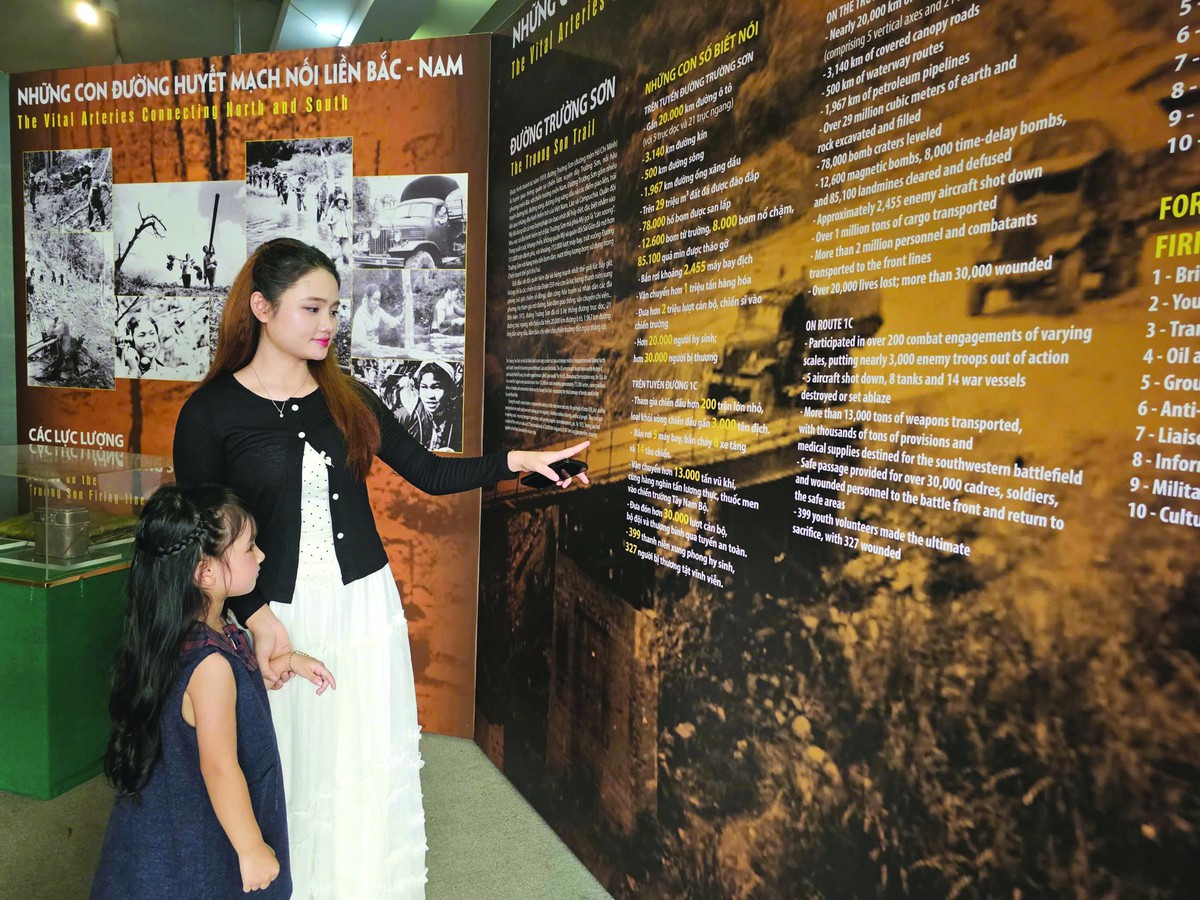
Ms. Le Thi Thu and her daughter Ngoc Quynh have a visit to the Vietnam Women's Museum.
Raising two children alone isn't always easy, but Thu tries to spend time with them in their daily lives and on trips together. "I want my children to travel to many places, see art programs, and participate in festivals to learn more about the culture of our homeland. Through each trip, they learn new things, have their own joys, and understand more about the place they live," she shared.
The two families had different preferences for their destinations, but both wanted their children to be exposed to the history, art, and culture of their homeland at an early age. The children might not remember everything they saw and heard, but an artifact that sparked their curiosity or a favorite performance could become a story the whole family would reminisce about after the trip.
To make people want to come back.
Vietnamese Culture Day on November 24th provides an opportunity for families and children to explore museums, historical sites, theaters, and cultural spaces. According to the established policy, employees are entitled to a paid day off; public cultural and sports facilities are encouraged to waive or reduce entrance fees and organize activities to attract people, especially young people and children.
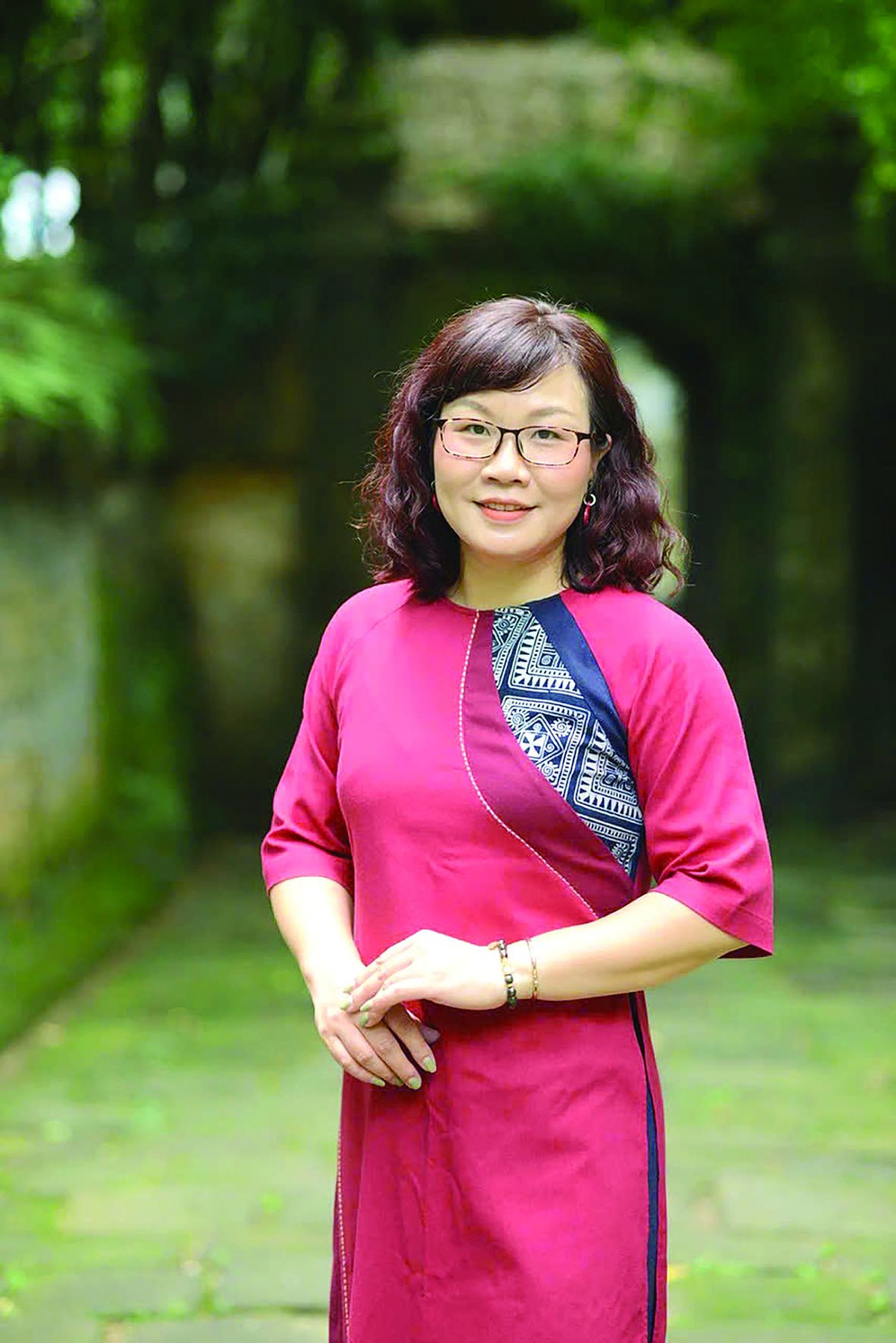
✤ To make Vietnam Culture Day on November 24th truly effective, cultural institutions need to maintain engaging programs, listen to public needs, and create more activities so that each visit offers a new experience.
Dr. Hoang Thi Hai Yen , Faculty of Philosophy and Management, University of Social Sciences and Humanities, Vietnam National University , Hanoi
However, holidays and incentives alone are not enough to create a habit of visiting cultural spaces. For young children, museums need lively and easy-to-understand presentations, age-appropriate experiential activities; and art programs need to be engaging and appealing to spark interest and encourage them to return.
For families with young children, the appeal of a museum lies not only in the ticket price but also in the experiential activities, informative guides, and convenience of visiting. If the information is lengthy and difficult to understand, children can easily lose focus and struggle to maintain interest.
Dr. Hoang Thi Hai Yen, lecturer at the Faculty of Philosophy and Management, University of Social Sciences and Humanities - Vietnam National University, Hanoi, believes that support policies help people have more opportunities to access culture. However, for museums, historical sites, and theaters to truly become public choices, each venue needs to create its own unique appeal, strong enough to compete with other forms of entertainment. Museums should tell stories through artifacts, organize discovery and hands-on activities; historical sites can combine learning about history with experiencing local culture; and theaters need a more accessible approach to younger audiences. Digital technology, QR codes, or virtual reality can enrich the experience, but their effectiveness still depends on the content and how it is delivered. A compelling story and a guide who knows how to encourage interaction are sometimes more attractive than modern equipment.
To attract the public in the long term, cultural institutions need to proactively receive feedback, develop programs suitable for each age group, strengthen connections with schools, and create opportunities for young people to participate creatively. At the same time, information about opening hours, activities, duration, and costs should be clearly published, helping families plan and choose destinations more easily.