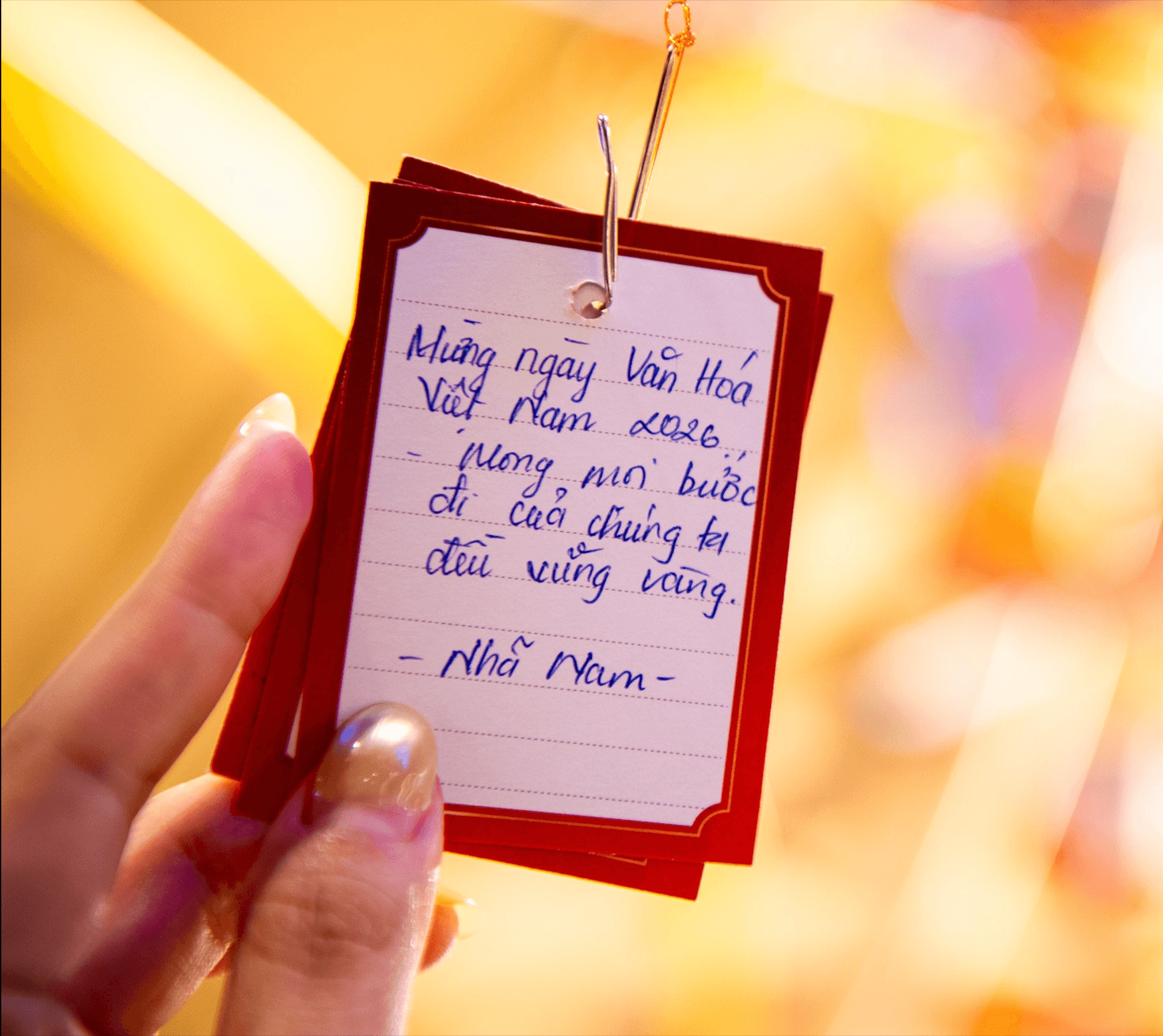
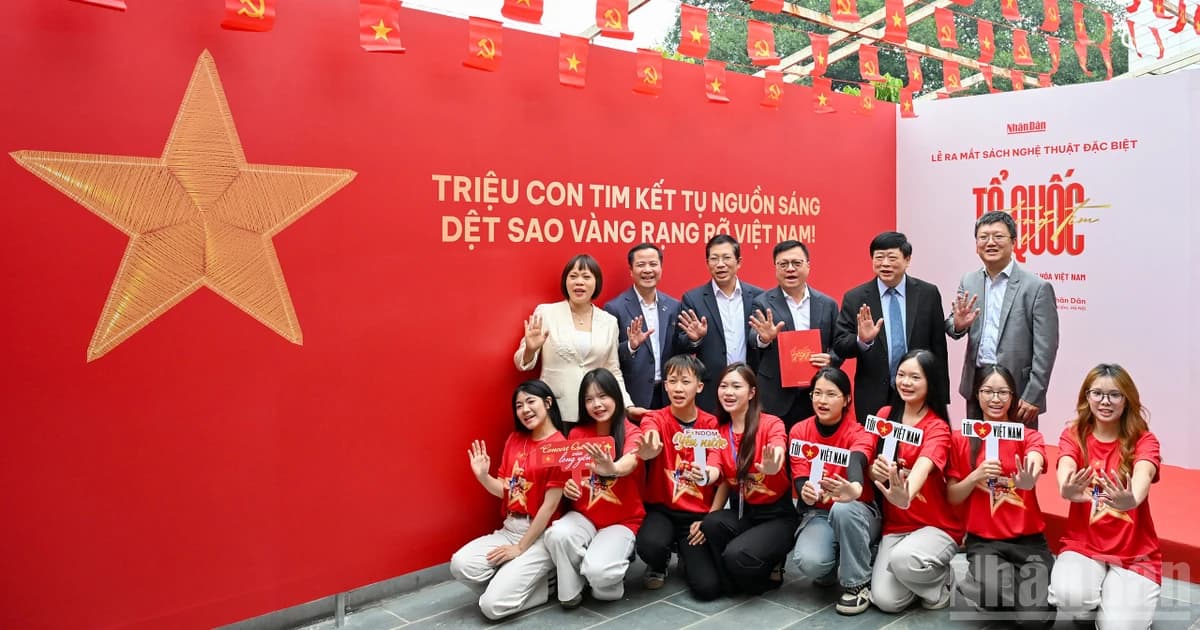
On the evening of November 22nd, Nguyen Hue Street in Ho Chi Minh City was packed with people. The sound of drums filled the air, checkered scarves appeared in group dances, and hundreds of artists and dancers participated in an art program celebrating Vietnamese Culture Day. In Hanoi , thousands of artisans, artists, and citizens also took to the streets in a heritage parade around Hoan Kiem Lake.
At the same time, all the free tickets available for online registration for the national concert "Colors of Vietnam" at My Dinh Stadium were sold out in just eight minutes. The event was expected to attract around 50,000 spectators, but the demand was so high that free tickets were being resold for hundreds of thousands, even millions of dong.
In the last days of November, culture becomes the reason for people to take to the streets, go to the cinema, visit museums, or explore heritage sites they haven't had the chance to experience before. This atmosphere makes the term "Cultural Festival" evocative, even though this is the first year Vietnam has officially had a holiday dedicated to culture.
|
Artists participate in the Vietnamese Culture Day parade in Ho Chi Minh City. Photo: Phuong Lam . |

What is culture that requires a Lunar New Year celebration?
In his 1938 book, *Outline of Vietnamese Cultural History* , scholar Dao Duy Anh wrote: "Culture is life." He viewed culture from the perspective of human life, encompassing many material and spiritual aspects. In 1982, the UNESCO Mexico Declaration on Cultural Policy also offered a broader definition, considering culture to include art, literature, lifestyle, values, traditions, and beliefs.
Culture, in this sense, is not only found in ancient monuments or prominently displayed works of art. Culture is also present in family meals, spoken language, community customs, folk songs, or the new creations of young people.
November 24th was chosen to commemorate the First National Cultural Conference, held at the Hanoi Grand Theatre in 1946. President Ho Chi Minh attended the conference and defined the mission of culture: "Culture must illuminate the path for the nation to follow." This idea continued the guidelines from the 1943 Outline on Vietnamese Culture, with three principles: national, scientific , and popular.
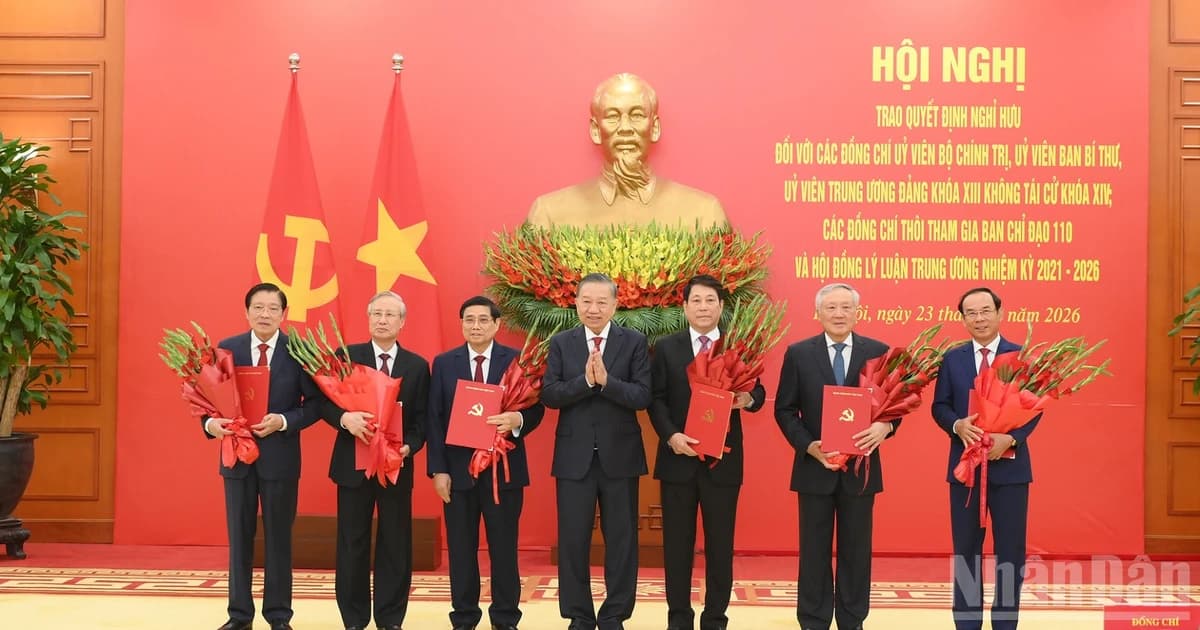
Exactly 80 years later, on April 24, 2026, the National Assembly passed Resolution No. 28/2026/QH16 on the development of Vietnamese culture, officially designating November 24th as Vietnam Culture Day. According to the resolution, employees are entitled to a day off with full pay. This policy takes effect from July 1, 2026.
Vietnam is not the first country to dedicate a day off to culture. Japan has Culture Day (Bunka no Hi) on November 3rd every year, a national holiday to promote freedom, peace, and the nurturing of culture. Although the model is different, South Korea also organizes Culture Day with special programs to encourage people to participate in cultural activities. From April 2026, the program will be expanded from the last Wednesday of each month to all Wednesdays.
What's interesting about South Korea is how it maintains regular access to culture. People have more opportunities to go to theaters, see performances, and participate in artistic activities as part of their regular daily routines, instead of just waiting for one major festival of the year.
|
The whole country erupted with events celebrating Vietnamese Culture Day. Photo: Viet Linh. |

A nationwide cultural event is booming.
This year's first Vietnamese Culture Day began with an official holiday, along with hundreds of celebratory activities nationwide. According to the Ministry of Culture, Sports and Tourism, all 34 provinces and cities have developed plans to organize Vietnamese Culture Day, with more than 400 programs and activities prepared.
In Hanoi, the national concert "Colors of Vietnam" is expected to attract 50,000 spectators at My Dinh Stadium, bringing together artists from many generations. In Ho Chi Minh City, a series of programs on Nguyen Hue Street will combine traditional Vietnamese opera, reformed opera, folk music, and ethnic arts with contemporary music, light shows, and community activities.
Ninh Binh showcases its heritage at Hoa Lu Ancient Capital; Quang Ngai organizes gong performances and traditional crafts; Khanh Hoa brings Cham cultural experiences to historical sites; Can Tho prepares for the performance of "Tiếng Hò Sông Hậu" (The Song of the Hau River).
The film industry also saw a significant response, with participation from both regulatory agencies and businesses. According to the Vietnam Film Department, 33 cinemas nationwide participated in a free film screening program from November 22nd to 24th. Besides feature films like " Khau Vai Love Story" and "Summer Vacation Afraid of Retirement ," audiences also had the opportunity to watch documentaries and animated films. CGV, Lotte, Galaxy, and Beta chains also participated in the activities. CGV, in particular, had a special "Culture Day" promotion on the last Monday of each month, with standard 2D tickets priced from 58,000 to 68,000 VND, applicable in November on November 23rd and 30th.
At the National Film Center in Hanoi, Tri Thuc - Znews observed many families, young people, and older audiences coming to watch free movies. Ms. Bui Ngoc Hien, 61 years old, said it had been quite a while since she had been to the cinema, so this time she registered with her friends.
Along with cinema, the policy of free admission to many museums and historical sites on November 24th also creates more opportunities for the public to explore heritage. According to Circular No. 167/2026/TT-BTC of the Ministry of Finance, 13 cultural sites, historical relics, and national parks are exempt from admission on this occasion, including the National History Museum, the Vietnam Fine Arts Museum, the Vietnam Museum of Ethnology, and the Independence Palace.
Vietnamese Culture Day is not only about honoring national cultural values, but also about creating an opportunity for everyone to spend more time learning about the cultural and artistic forms of their homeland.
Singer Phuong My Chi
In Ho Chi Minh City, activities have also been expanded to include photography and fine arts exhibitions, book fairs, and traditional craft village experiences.
The city organized both the Vietnam Cultural Copyright Licensing Exhibition and Forum, alongside spaces showcasing video games, cinema, performing arts, and handicrafts. These activities demonstrate that the cultural festival now includes the presence of creative industries, in addition to familiar performances and heritage presentations.
Artists also enthusiastically embraced Vietnam Culture Day. Singer Phuong My Chi shared with Tri Thuc - Znews that Vietnam Culture Day is not only about honoring national cultural values, but also about creating opportunities for everyone to spend more time learning about the cultural and artistic forms of their homeland. Therefore, the female singer hopes that the audience will join in the spirit of this special holiday, enjoy the holiday to the fullest, and take time to explore the lands, stories, and cultural beauty of Vietnam.
|
Audiences watch movies for free in Hanoi. Photo: Tran Hien. |

Following on from the first Vietnamese Culture Day
The establishment of Vietnamese Culture Day comes at a time when culture is being placed within the broader development goals. The Politburo's Resolution 80-NQ/TW on the development of Vietnamese culture, along with the National Assembly's Resolution 28/2026/QH16 and policies promoting the cultural industry, demonstrate a growing interest in the potential contribution of culture to the economy. Industries such as film, music, video games, design, publishing, and cultural tourism are being recognized as sectors with the potential to create jobs, generate revenue, and foster creative value.
Globally, the UNCTAD Creative Economy Outlook 2024 report estimates that global exports of creative services reached US$1.4 trillion in 2022. This figure demonstrates the significant scale of the creative economy in international trade, although it cannot be used directly to measure the economic impact of a cultural holiday.
In Vietnam, concerts attracting tens of thousands of attendees, the development of domestic cinema and entertainment products demonstrate significant public purchasing power. However, the high revenue from some events does not fully reflect the health of the entire cultural ecosystem. Smaller theaters, independent artists, community art spaces, and heritage preservation activities still face unique challenges regarding funding and audience accessibility.
At a press conference on November 5th, Mr. Le Quang Tu Do, Director of the Press Department, emphasized that organizing Vietnam Culture Day aims to create conditions for people to directly participate in creating and enjoying cultural values.
"A festival will have lasting value when it is connected to regular and long-term cultural and educational activities."
Dr. Bui Quoc Liem
In the article "Vietnamese Culture Day is an opportunity for everyone to reflect on the values passed down" published on Tri Thuc - Znews on November 18th, Dr. Bui Quoc Liem from RMIT University Vietnam noted that a festival may gather a large number of participants but still lack genuine interaction if each person only stands in their familiar group, takes photos, and then leaves.
According to him, a cultural festival should create opportunities for the public to converse with artisans, learn about the stories of communities, and directly practice and experience their work. Schools, museums, libraries, theaters, or historical sites can also become extracurricular classrooms where young people can access culture through hands-on experience.
After November 24th, large stages will be dismantled, promotional programs will end, and museums and cinemas will return to normal operation. Vietnam has gained another very meaningful day: Vietnamese Culture Day. And how the experiences that unfolded on this first Tet holiday will continue to be present in daily life is a matter of great interest to experts and those working in the cultural field.
Dr. Bui Quoc Liem believes that the value of a festival needs to be sustained by regular educational activities, discussions, and practical exercises. He stated: "A festival will have lasting value when it is connected with regular and long-term cultural and educational activities."