From cultural holidays to hands-on experiences.
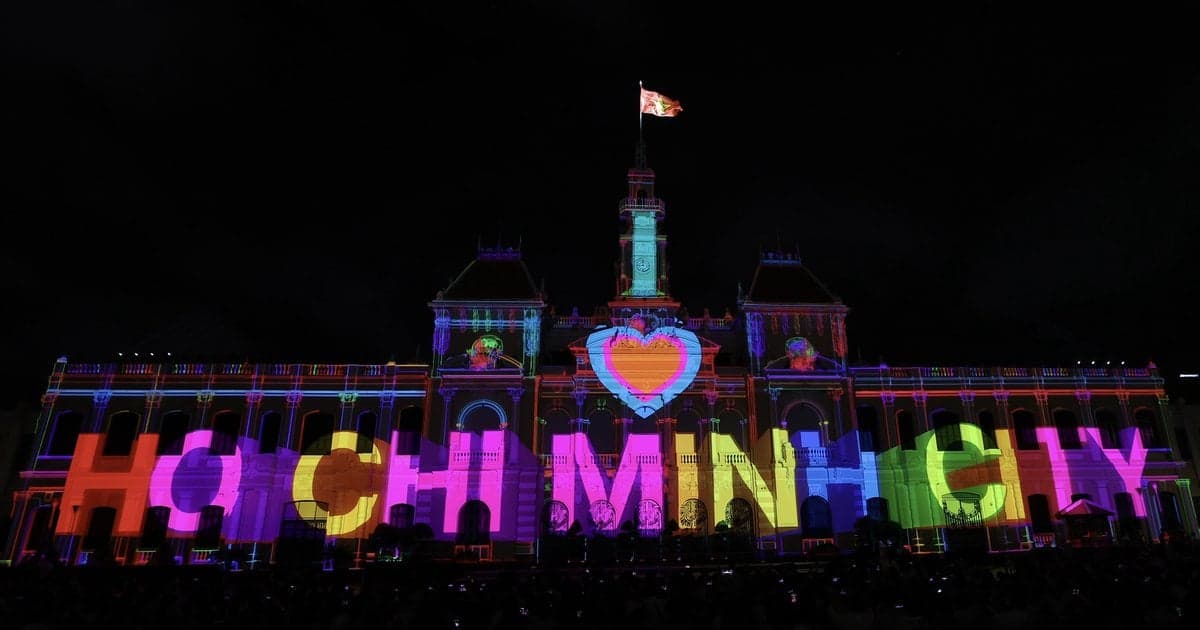
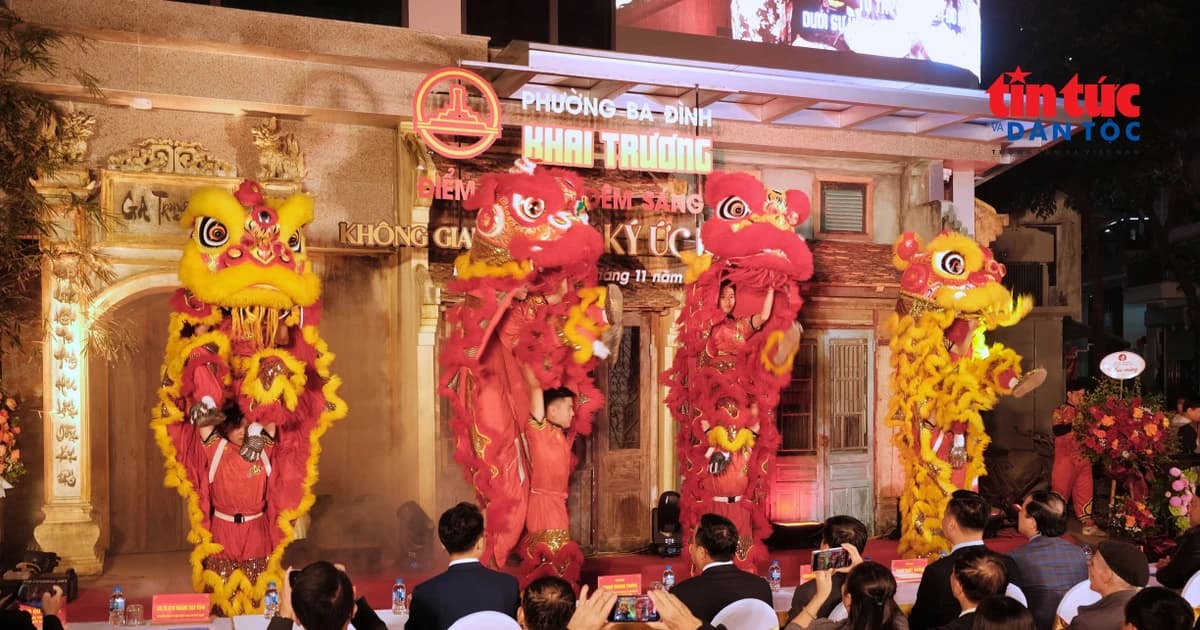
This year, workers will have an extra day off with full pay on Vietnamese Culture Day (November 24th). This day was chosen by the Politburo to coincide with the First National Cultural Conference in 1946, chaired by President Ho Chi Minh, aiming to create conditions for people to participate in and enjoy cultural activities, encourage artists to create, and spread a cultured and civilized lifestyle.
A day off dedicated to culture also raises the question: When given more time for cultural experiences, where will Vietnamese people go, what will they do, and what values of their country will they discover ?
Culture is not only present in museums, historical sites, or crowded festivals. Sometimes, it's in the way a Hmong family dries their corn after the harvest, or in the terraced rice fields created through generations of labor.
For me, a memorable trip doesn't necessarily have to have lots of check-in spots or beautiful photos to bring back. What makes the journey more meaningful is what you experience firsthand, the stories you hear, and things you previously only knew about from books but can now witness with your own eyes.
My family makes it a habit to choose destinations with experiential elements for our children, rather than just relaxing holidays. Our trip to the Northwest highlands was one such journey.
A reunion of Hmong families on the steep road.
We drove to Suoi Giang (now Van Chan commune, Lao Cai province), at an altitude of over 1,300 meters above sea level, where the mountain slopes are covered with green tea plants and villages are glimpsed through the clouds. The cool air made the children constantly ask to roll down the car windows to breathe it in.
The deeper we went into the village, the steeper and narrower the road became, with some sections barely wide enough for a 7-seater vehicle. There were few turns to make going forward, and reversing on the slopes was no easy feat.
Just as we were fumbling around, a Hmong man ran out from the yard, nimbly opened the gate, and waved, calling out, "Come in, come in!" My husband immediately steered the car into the yard.
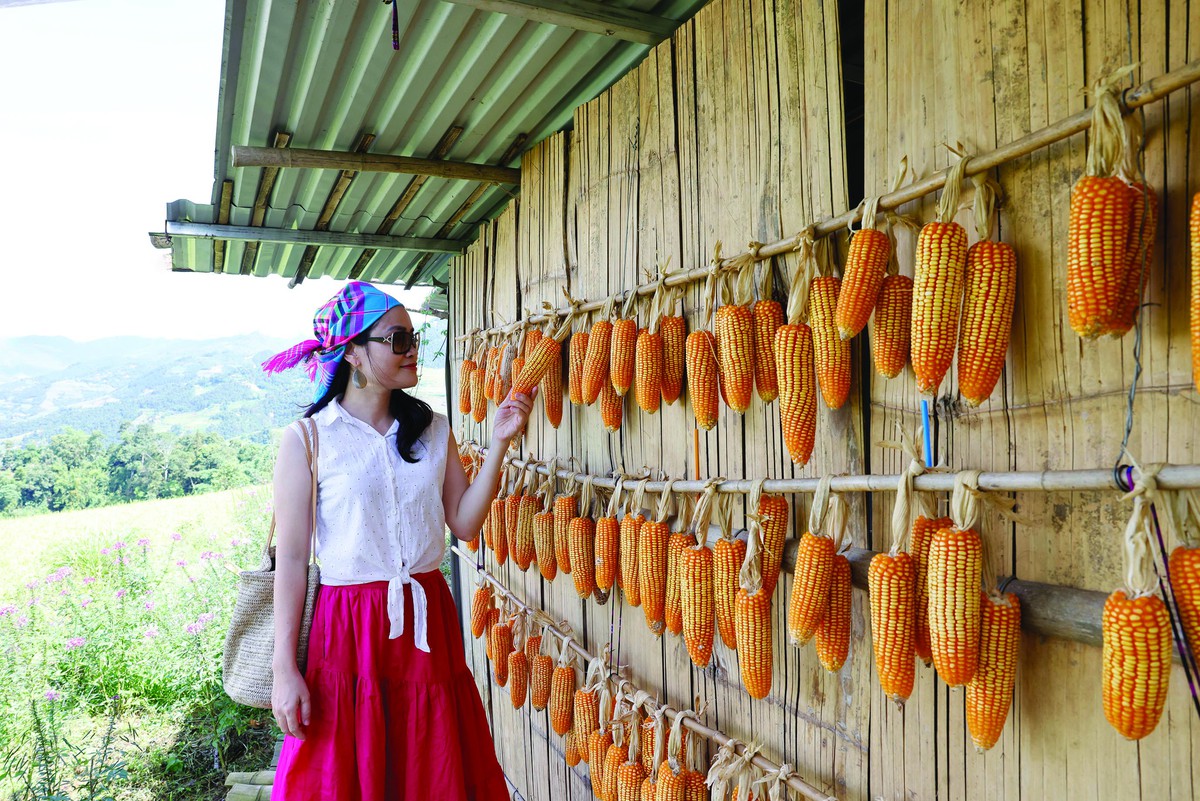
Corn is dried after harvesting.
Giàng A Súa's family was drying corn. He and his wife, along with their two young children, warmly welcomed the guests and happily shared stories of their daily lives. Before the trip, my children had researched the customs and traditions of the Hmong people online; now, what they read on the screen was right before our eyes.
After harvesting, the corn cobs are dried for preservation, serving both daily life and production. For the Hmong people in the highlands, corn is an important food crop, closely linked to their livelihoods and way of life for generations.
Guided by Mr. and Mrs. Súa, we joined in drying the corn. The story of the Hmong people's life was no longer just information we'd read before the trip, but became more intimate through the daily work of the hosts.
While the adults chatted, my children eagerly grabbed the snacks and candies they had brought with them to share with Mr. Sua's two children. This chance encounter on the sloping road became a warm memory, as two strangers began to get acquainted through simple things.
Teaching children life lessons alongside the "sticky rice" of Mu Cang Chai.
Leaving Suoi Giang, we arrived in Mu Cang Chai commune (Lao Cai province), where terraced rice fields stretch along the mountain slopes. While Suoi Giang is associated with tea culture, Mu Cang Chai tells the story of hard work and how people have adapted to the steep mountainous terrain over generations.
Seen from afar, the rice paddies curved around the hill, one layer after another, forming a shape resembling a giant mound of sticky rice. Our car stopped by the roadside when we came across a rice paddy in the harvest season. A wide patch of land, large enough to set up a table and chairs, make coffee, and enjoy the view, made the whole family decide to stay.

Experience the raspberry field.
Amidst the golden rice paddies, the scent of ripening rice wafted on the breeze, mingling with the aroma of coffee from the grinder my husband brought along. We leisurely brewed coffee, gazed at the terraced fields stretching to the horizon, and sang songs in the mountains. No need for a packed schedule or pre-planned check-in points; that moment alone was enough to make the trip memorable.
In the distance, a couple was harvesting rice. The husband was diligently reaping the crop, while the wife, carrying their sleeping child on her back, continued her work amidst the golden harvest season.
My 14-year-old son immediately grabbed his camera and took a picture. His younger sister quietly placed a few candies in the baby carrier, next to the still-sleeping baby.
Their innocent gestures made me realize that the trip not only brought back beautiful photos but also sparked in the children an interest in the lives of people they had never met before.
"Why do terraced rice fields look like a mound of sticky rice, Mom?", the little girl turned to ask.
I explained that behind the terraced rice fields curving around the hills, one layer following another, forming a shape resembling a giant mound of sticky rice, lies the process of the Hmong people clearing the mountain slopes, building embankments, channeling water, and cultivating the land on the steep slopes. Over generations, these terraced fields have not only sustained the people but also become a cultural hallmark of the region. When the rice ripens, the golden rings of rice fields arranged around the hillside evoke the image of a full mound of sticky rice, symbolizing a bountiful and prosperous harvest.
The little girl nodded, her face full of understanding, just like a "little old lady." As for me, looking at the rice fields stretching out before me, I suddenly thought that the best way for children to understand a place is not by reading many descriptions, but by standing in the middle of it, seeing it with their own eyes, and finding the answers to their curiosities themselves.
Our journey continued to the traditional rice flake making craft in Tu Le commune (Lao Cai province). The fragrant, sticky Tu Le rice grains, through the processes of threshing, roasting, pounding, and sifting, become a unique delicacy of the highlands. Instead of just buying a packet of rice flakes to take home, I wanted my children to witness and try making them with the locals.
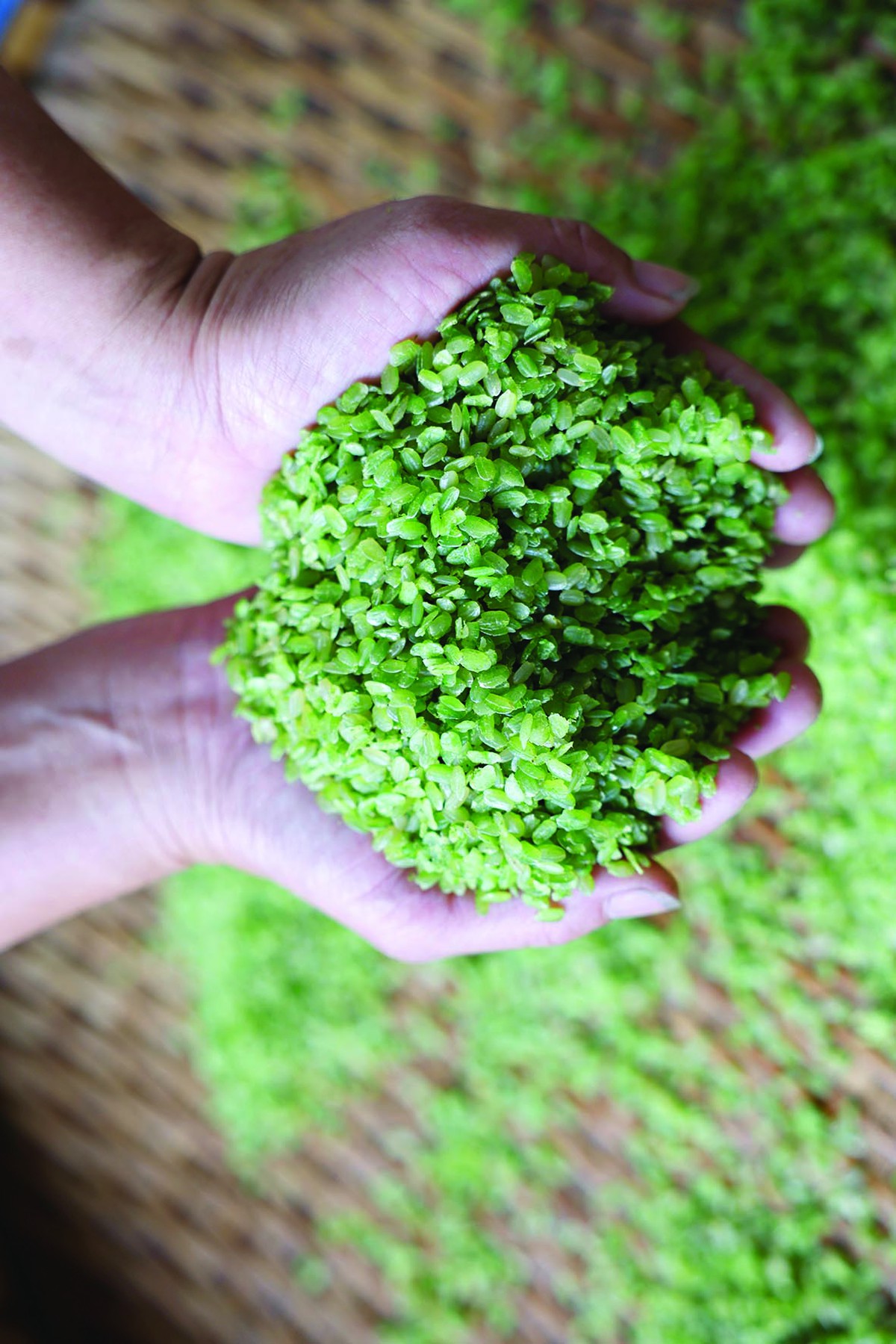
Tu Le Rice Flakes
By participating directly, the children understood that producing those fragrant, chewy green rice flakes is a process that requires skill, patience, and experience. Each step has its own secret, preserved and passed down through generations. I told them that a traditional dish not only creates a unique character for the region but also embodies the knowledge, customs, and hard work of those involved in the craft.
Through trying their hand at making sticky rice cakes, the children gain a new perspective on culture: not just seeing and hearing, but also experiencing it firsthand. That's also what I hope for on each trip, so that stories about heritage become more relatable, vivid, and memorable for children.
A trip, therefore, is not just a journey to discover beautiful scenery. It is also an opportunity for children to learn more about labor, customs, livelihoods, and how people connect with nature. Sometimes, the lesson begins with an invitation to dry corn in the yard, a try of roasting tea, or an innocent question amidst the ripening rice fields.
If we had another day dedicated to culture, I would want my family to continue these kinds of journeys: going slower, observing more, and spending time meeting the local people. Because the most memorable things after each trip are not just the photos we bring back, but also what each member truly understands, feels, and retains in their memory.