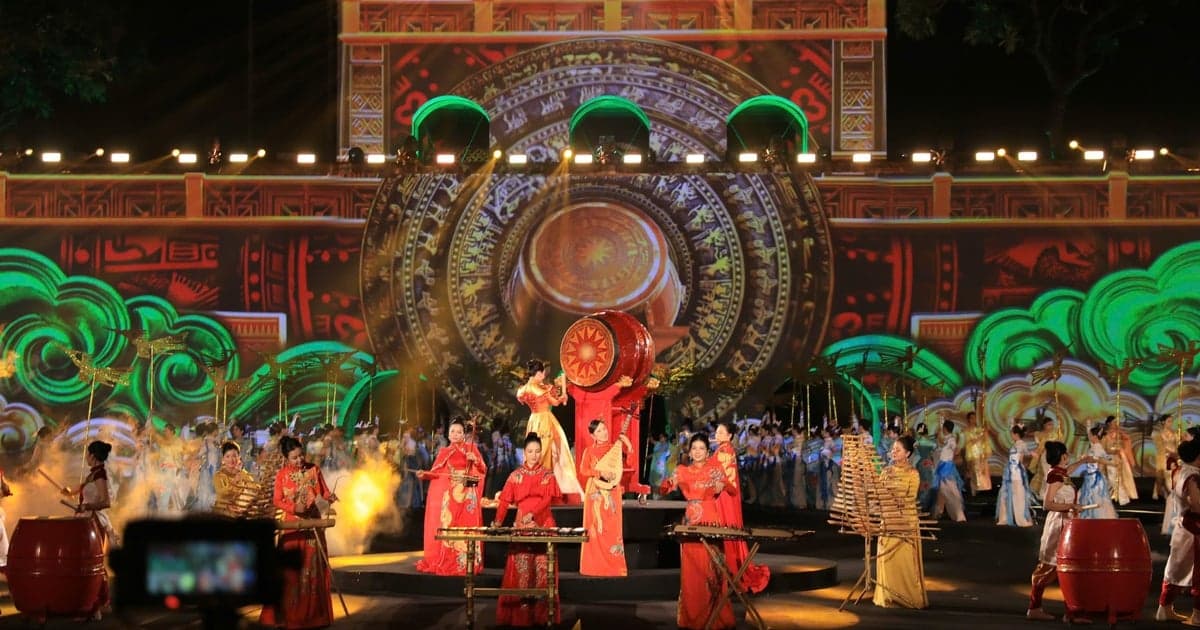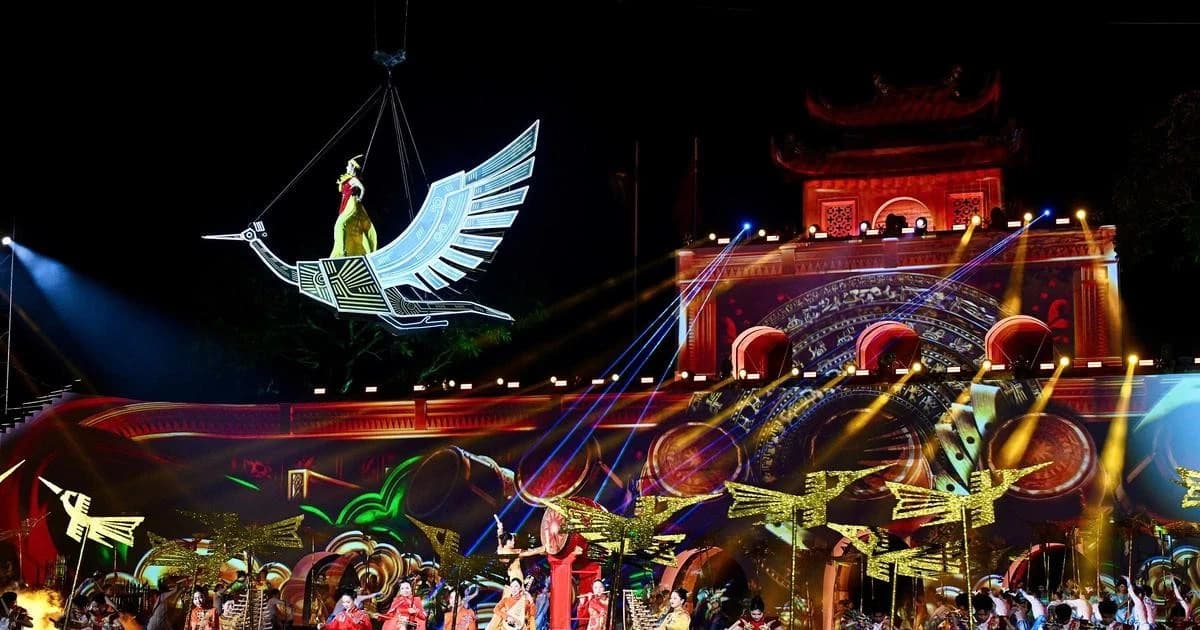


The opening ceremony of the second World Cultural Festival in Hanoi took place at Thang Long Imperial Citadel . (Photo: Nguyen Phuong)
On the evening of October 1st, at Thang Long Imperial Citadel, the festival officially opened with the theme "Gathering Heritage - Shaping the Future". The event, jointly organized by the Ministry of Culture, Sports and Tourism, the Ministry of Foreign Affairs , and the Hanoi People's Committee, commemorates the 50th anniversary of Vietnam's accession to UNESCO, marking another significant milestone in the cooperation between Vietnam and the international organization in the field of culture and heritage.
Attending the ceremony were Party Central Committee Secretary and Deputy Prime Minister Pham Thi Thanh Tra ; Minister of Culture, Sports and Tourism Lam Thi Phuong Thanh; Chairman of the Hanoi People's Committee Vu Dai Thang; Deputy Minister of Foreign Affairs Ngo Le Van; Deputy Head of the Central Propaganda Department Bui Hoai Son; and Director of the UNESCO World Heritage Centre Lazare Eloundou Assomo, along with representatives from diplomatic agencies and international organizations.
Gather to understand, connect to go further, preserve to pass on.
Speaking at the opening ceremony, Deputy Prime Minister Pham Thi Thanh Tra emphasized that heritage is the memory of each nation, the crystallization of intellect, labor, and creativity over thousands of years of history. But heritage does not belong only to the past but is also present in the present, becoming an important resource for building the future.

Deputy Prime Minister Pham Thi Thanh Tra speaks at the opening ceremony. (Photo: Nguyen Phuong)
In that spirit, the Deputy Prime Minister hoped that the Festival would not only leave beautiful impressions, but more importantly, spread sustainable values and convey three messages: Gathering to understand each other, connecting to develop together; cherishing and preserving heritage to pass it on, while simultaneously innovating to enrich heritage values; and creating an international cultural space where the world comes to Vietnam and Vietnam gets closer to the world, connecting cultures, understanding each other better, and above all, building a peaceful, humane, prosperous, and sustainably developed world.
Sharing a similar perspective on the power of culture, Mr. Lazare Eloundou Assomo, Director of the UNESCO World Heritage Centre, stated that the theme "Heritage Convergence - Building the Future" reflects UNESCO's belief in the ability of culture to build peace and promote dialogue. In a world facing many changes, cultural diversity can become a source of inspiration for creativity, mutual understanding, and points of convergence between communities.
Notably, the festival coincided with the 50th anniversary of Vietnam's membership in UNESCO. According to Mr. Lazare Eloundou Assomo, the cooperation between Vietnam and UNESCO demonstrates that culture and heritage can become bridges, bridging gaps and building trust. The selection of Thang Long Imperial Citadel as the venue further clarifies this message: "Honoring world culture right in the place that represents the enduring creative journey of a civilization is a powerful declaration of the significance of heritage."
When heritage "speaks louder" in contemporary life.
If layers of heritage give depth to the festival, then art is where those values are continued, elevated, and renewed in the flow of time. On the opening night, the stage at Thang Long Imperial Citadel opened up a journey through many facets of Vietnamese culture, from traditional art to contemporary melodies.

Artistic performances at the opening ceremony of the World Cultural Festival in Hanoi. (Photo: Nguyen Phuong)
The performances "Offering Betel," "Sitting Leaning Against the Boat's Edge," and "Six Offerings of Flower Lanterns" showcase folk, court, and traditional art elements; while "Bac Bling," "Song of the Southern Land," "Hanoi Xam," "Made in Vietnam," "Vietnamese People Love Each Other," and "Rice Drum" offer fresher and more innovative forms of expression.
The program features many domestic artists and art groups such as Truc Nhan, Hoa Minzy, Duc Phuc, Hoang Bach, Ha Myo, GOM Show, Hue Royal Traditional Arts Theatre, Bac Ninh Quan Ho Theatre, along with drum and gong performances from the Central Highlands.
The opening night also featured international art troupes from Azerbaijan, Bangladesh, China, Indonesia, Israel, South Korea, Laos, Pakistan, Peru, and Ukraine, bringing diverse cultural colors to a single stage.
The vibrant cultures of five continents converge at Thang Long Imperial Citadel.

Thang Long Imperial Citadel shines brightly on the opening night of the festival. (Photo: Nguyen Phuong)
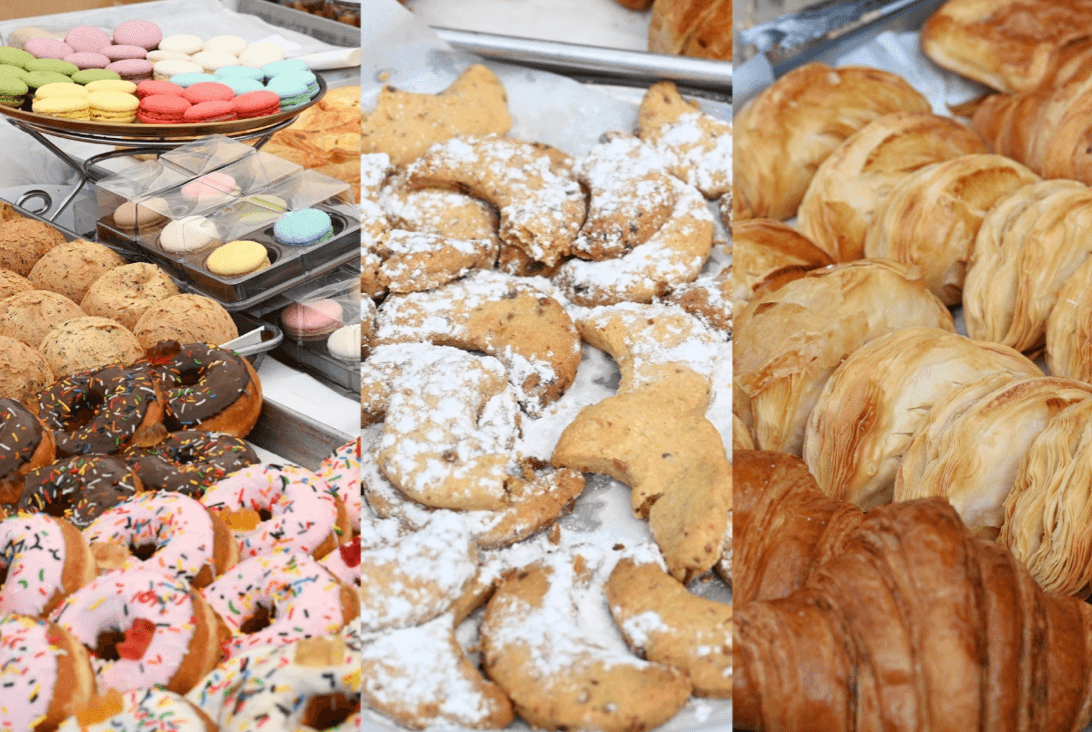
Following the opening night, the festival continues until October 4th with 45 cultural spaces, 35 food stalls, and programs featuring art, film, fashion, and cultural experiences. The film screening program has applications from 18 countries; the fashion spaces showcase traditional costumes from many nations, while international art troupes continue to perform throughout the festival.
In the field of cinema, the program features participation from 20 countries, while 15 countries showcase their traditional costumes, adding glimpses into the lives, history, and aesthetics of communities around the world. From food and costumes to films, music, and performing arts, each activity offers a different approach, allowing culture to be not only seen but also felt and interacted with.

Schedule of activities at the World Culture Festival in Hanoi, taking place from October 1 to 4, 2026.

Information on the schedule of free movie screenings as part of the festival.
The festivals at Thang Long Imperial Citadel not only bring cultural colors closer to the public but also open a bridge of friendship, where cultures meet, interact, and seek common values. Within this heritage space, differences do not create distance but become the material for dialogue and connection, allowing culture to continue paving the way for cooperation and development.
Thu Hoai - Nguyen Phuong - Han My
Vietnam.vn