
From Sa Pa, Bac Ha, Y Ty, Mu Cang Chai, Muong Lo, Thac Ba Lake to Tan Trao, Na Hang-Lam Binh, Hoang Su Phi and Dong Van Stone Plateau, a rich cultural, ecological, historical and tourism space is unfolding as Lao Cai and Tuyen Quang strengthen their linkages.
Beyond simply connecting destinations, the collaboration between the two localities aims to create inter-regional heritage routes, providing further impetus for culture, sports , and tourism.
According to the Lao Cai Provincial Electronic Information Portal, a notable aspect of this connection is the similarity, but not the overlap, in resources. Both areas have diverse mountainous terrain, unique landscapes, ethnic communities rich in identity, and a wealth of heritage sites.
While Lao Cai is notable for Sa Pa , Bac Ha, Y Ty, Mu Cang Chai, Muong Lo, Tram Tau, Thac Ba Lake, and the cultural spaces of the Mong, Dao, Tay, and Thai ethnic groups, Tuyen Quang boasts the Dong Van Stone Plateau, Hoang Su Phi, Na Hang-Lam Binh, Tan Trao, and My Lam mineral springs.
This difference allows the two localities to complement each other, rather than exploiting destinations in isolation. Tourists can combine experiences of high mountain landscapes, terraced rice fields, rivers and lakes, geological heritage with the cultural spaces of ethnic groups, community tourism , relaxation, and landmarks associated with revolutionary history.
Based on the Memorandum of Cooperation between the People's Committee of Lao Cai Province and the People's Committee of Tuyen Quang Province, the culture, sports, and tourism sectors of the two provinces have concretized this into a Program for the coordinated development of culture, sports, and tourism for the period 2026-2030. The focus is on exploiting the strengths of cultural heritage, ecological and historical tourism resources, and sports infrastructure to build inter-provincial products, enhance exchanges, and develop human resources.
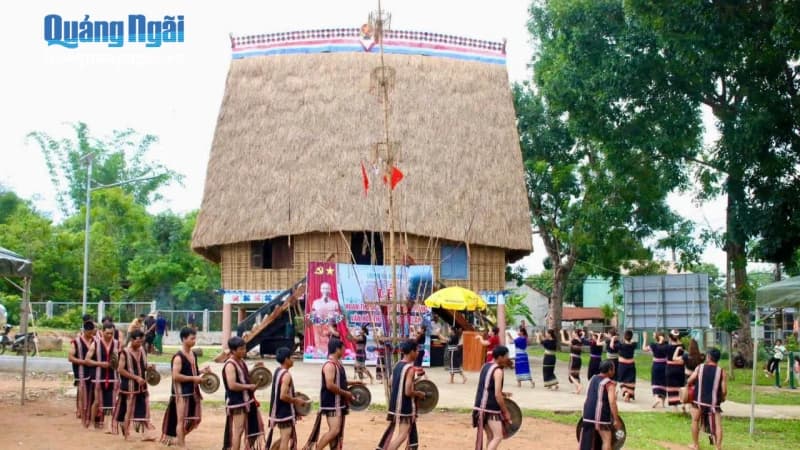
In the cultural field, the two localities are collaborating to build a scientific dossier on the Mong Khen Art to propose for UNESCO inscription, while also strengthening exchanges, performances, and the exploitation of the cultural values of the Mong, Dao, Tay, and Thai ethnic groups, along with other folk heritage, in the development of cultural and tourism products.
Tourism has been identified as the sector with the greatest potential for making a significant impact through collaboration. Initially, the two sectors have identified five interconnected routes, including Tan Trao-Lam Binh-Na Hang-Bac Ha-Sa Pa; Tuyen Quang-Hoang Su Phi-Xin Man-Si Ma Cai-Bac Ha; and Sa Pa-Dong Van Karst Plateau Global Geopark. These routes could further connect with Mu Cang Chai, Muong Lo, Tram Tau, and Thac Ba Lake, forming larger itineraries combining history, geology, ecology, and culture.
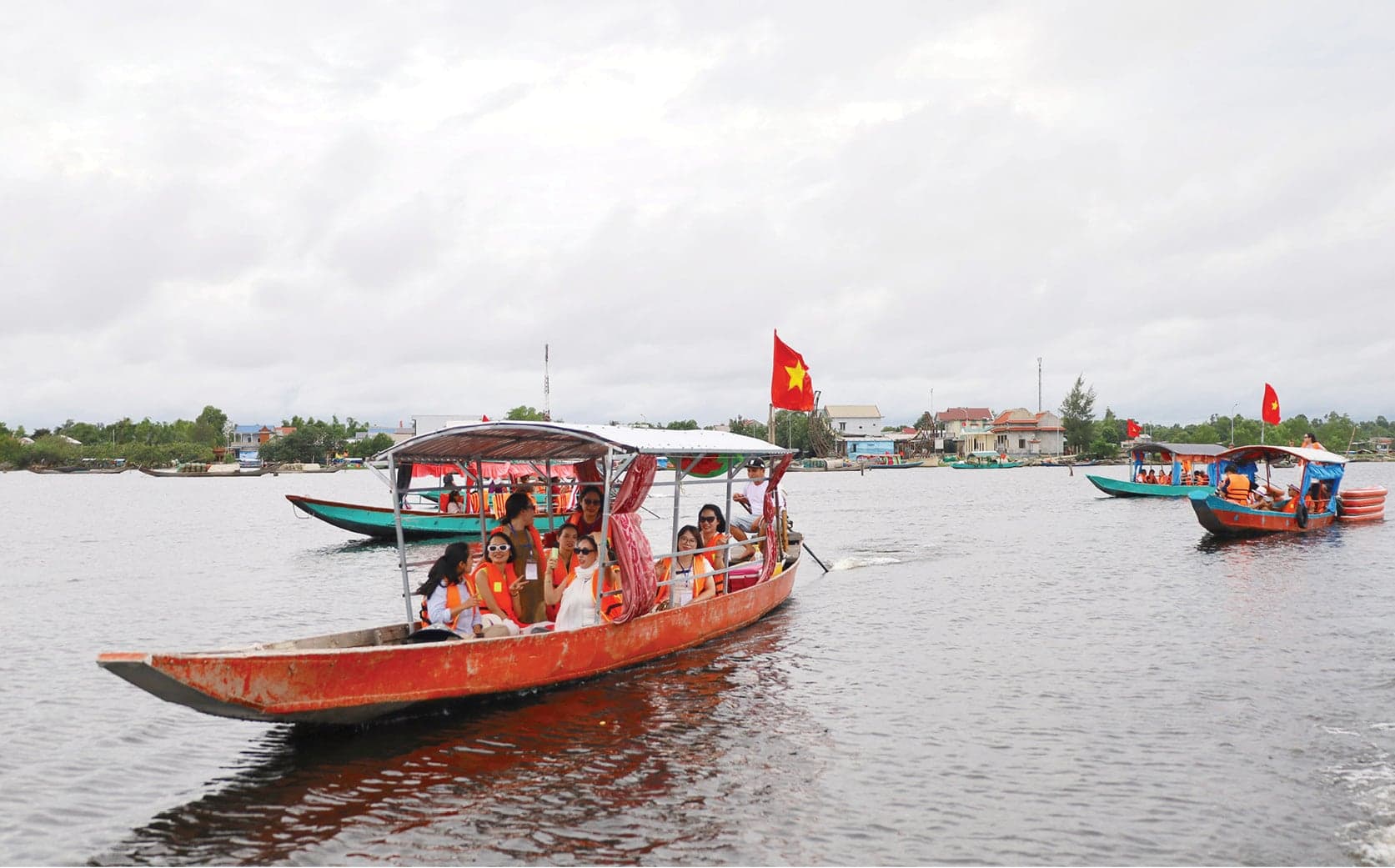
This approach aims to shift from "one destination per locality" to "multiple localities - one journey." Sa Pa, Bac Ha, Mu Cang Chai, Tan Trao, Dong Van, and Na Hang-Lam Binh are no longer independent stops but become links in a longer chain of experiences, contributing to extended stays and product diversification.
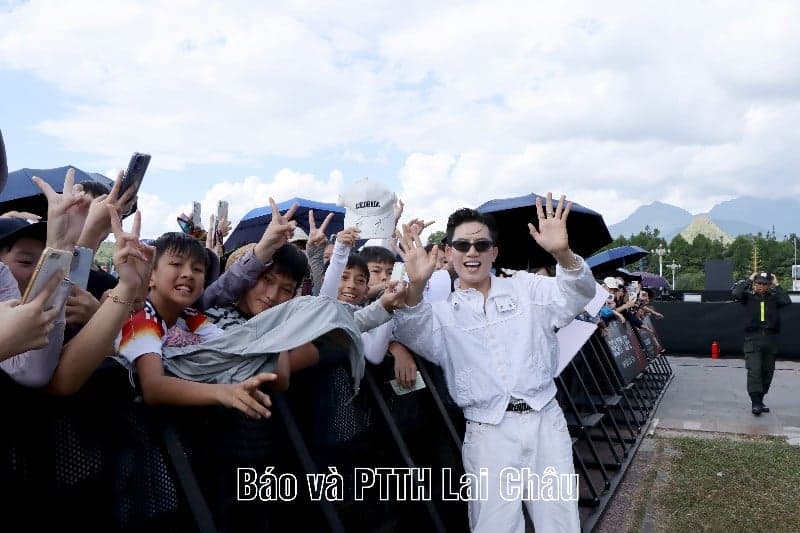
Along with tourism, sports are seen as a connecting bridge. The mountainous terrain, rivers, lakes, and terraced rice fields create favorable conditions for developing activities such as marathons, trail running, cycling, paragliding, water sports, trekking, and traditional sports. Sports events, when linked to destination promotion, will add appeal to tourism and foster interaction between the communities of the two localities.
The two provinces also plan to coordinate the organization of cultural and tourism events such as the Red River Festival, the Tuyen Quang City Festival, the Shan Tuyet Tea and Brocade Festival, the Northwest Tourism Fair, the Muong Lo Culture and Tourism Festival, and the Buckwheat Flower Festival. These are spaces to showcase inter-provincial products, connect businesses, and expand the tourist market.

Placed within the expanded Northwest Tourism Development Cooperation Program for the period 2026-2030, the Lao Cai-Tuyen Quang linkage also has the opportunity to expand to other localities in terms of product development, digital transformation, promotion, investment attraction, and human resource development.
To deepen cooperation, the two localities need to continue reviewing the program within the new development space, adding typical destinations and products to promotional activities; increasing connections between travel businesses; building digital maps of inter-provincial routes; coordinating the organization of events and implementing joint communication campaigns.
Based on their unique values, Lao Cai and Tuyen Quang are in a position to form a broader tourism space, where each destination retains its own identity while complementing the other in a shared journey. When these heritage regions are connected, cultural values gain more space to flourish, sports have more opportunities to spread, and tourism gains further impetus to become a driving force for the development of both localities.
Source: https://www.vietnamplus.vn/lao-cai-tuyen-quang-noi-nhung-mien-di-san-thanh-mot-hanh-trinh-post1139848.vnp