Lively activities in the residential area.
The Resolution of the 14th National Congress of the Party identifies the building and development of an advanced Vietnamese culture, rich in national identity, and synchronous on the foundation of national values, cultural values, family values, and the standards of Vietnamese people.
Furthermore, Resolution No. 80-NQ/TW dated January 7, 2026, of the Politburo on the development of Vietnamese culture emphasizes the need to build a healthy cultural environment from the family and school to society and the digital space.
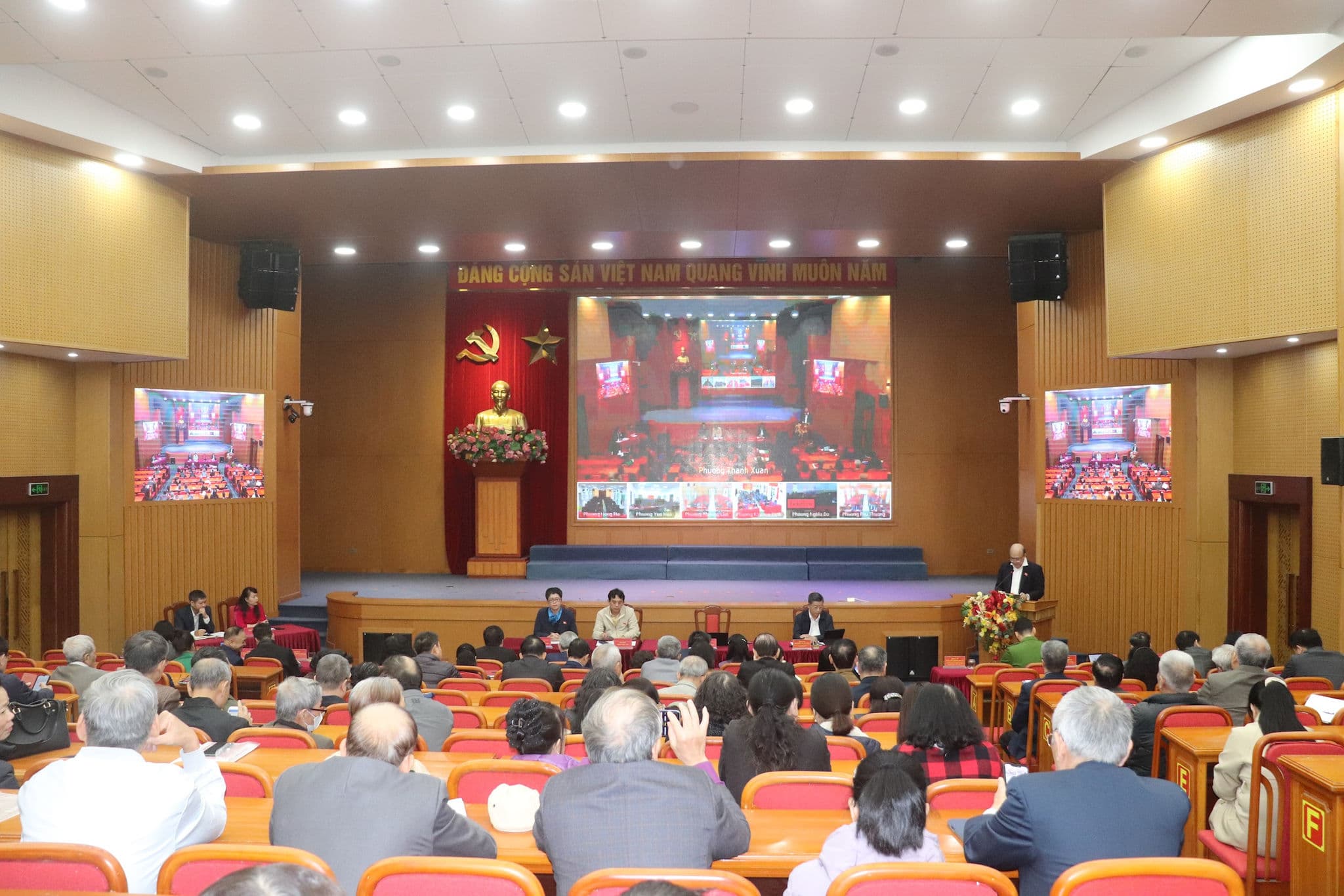
That spirit has been concretized by the city of Hanoi by linking the 2026 National Unity Day with activities in response to Vietnam Culture Day on November 24th.
With the theme "Promoting the strength of the people - Building united, safe, prosperous, and happy residential areas," the festival was held in residential areas throughout the capital from November 1st to November 18th; followed by a series of activities called "Cultural Week - Great Unity" from November 18th to 24th.
The novelty of this year's festival lies not only in the addition of cultural activities, exhibitions, and exchanges, but also in the way it encourages each community to identify, introduce, and promote its own unique cultural values. Each locality selects at least one typical activity, product, story, cultural space, or model to promote. Through this, culture emerges from the lives, memories, and participation of the people.
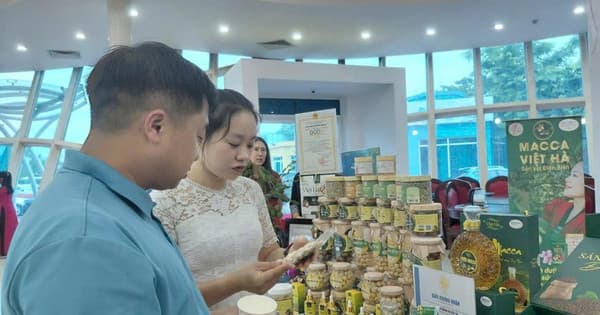
In Dong Da ward, during the Great Unity Festival in residential areas No. 7 and No. 9, traditional folk songs such as Ca Tru, Hat Xam, and Cheo were performed in the community space. Alongside the traditional art performances, there was also an activity showcasing products in response to the "Vietnamese people prioritize using Vietnamese goods" campaign.
Art forms that were once closely associated with the nation's cultural life are being brought closer to the people, especially the younger generation. Through each song and melody, the heritage is not only recreated but also has the opportunity to be continued in contemporary life.

Photo: PV
At alley 178 Tay Son, residential group number 9, Dong Da ward, the project "Unity Alley - Bright, Green, Clean, and Beautiful" was implemented with socialized funding of over 100 million VND, including mural paintings, trees, security cameras, and equipment for community activities.
Meanwhile, in Dang Tien Dong Street, residential group number 7, the "Happy Alley" project, funded with 65 million VND, has transformed an area that was once a garbage collection point into a clean, beautiful, and well-maintained alley. From newly renovated walls to carefully maintained common spaces, residents are contributing to building a civilized lifestyle through practical actions.
Leaving the urban landscape and returning to the suburban villages, the cultural story takes on a different nuance. In Hoa Xa commune, the joy of the festival extends from cultural and sporting activities, folk games, to warm and heartfelt communal meals.
According to Dang Dang Khoa, Chairman of the Vietnam Fatherland Front Committee of Hoa Xa commune, from November 12th to 16th, 2026, all 12 villages in the commune successfully organized the National Unity Day celebration, combined with the celebration of Vietnam Culture Day. At each event, commune leaders joined the people in the festivities and presented each village with a painting of the Turtle Tower and Hoan Kiem Lake. This iconic image of the capital city was brought to the village cultural centers as a cultural gift, evoking love for the homeland and pride in the traditions of Thang Long - Hanoi.
According to the Chairman of the Vietnam Fatherland Front Committee of Hoa Xa commune, the vibrancy of the festival was also evident in the laughter during games like blindfolded duck catching and sack racing; the enthusiasm of the people participating in cultural performances and sports competitions; and the heartwarming family meals shared by multiple generations. In particular, 120 gifts were distributed to 120 households and individuals in difficult circumstances in the villages. This sharing demonstrates that the spirit of great solidarity is not only expressed through collective activities but also through the care and support among those living together in the community.

In Hoa Lac commune, cultural identity is clearly evident in the lives of the Muong ethnic people in Hamlet 7. With 526 households and over 2,000 inhabitants, of which ethnic minorities account for approximately 60%, this hamlet has the largest number of ethnic minorities in the commune. Cultural values preserved through many generations, including the traditional gong and drum art, have become a connecting thread for the community.
During the festival, the sounds of gongs and drums resonate, accompanied by folk songs and traditional dances, creating a culturally rich atmosphere. The interaction and performances by officers and soldiers from various military units further invigorated the atmosphere, strengthening the bond between the military and the people. As long as the sound of gongs and drums continues to echo in the village festival, and as generations participate and enjoy the festivities, traditional values are no longer confined to memory but continue to be present in contemporary life.

In Van Nhan village, Phu Xuyen commune, the preservation of heritage continues with the dedication of artisans deeply involved in Ca Tru (traditional Vietnamese singing). The Chanh Thon Ca Tru Club continues to thrive, with artisans patiently passing on ancient melodies to the younger generation. Through practice sessions and the transmission of lyrics, a love for this traditional art form is gradually nurtured in the youth.
From the traditional Ca Tru melodies of Dong Da, the gongs and drums of the Muong people in Hoa Lac, to the persistent Ca Tru clubs in Phu Xuyen that preserve this heritage, each locality is telling its cultural story with its own unique color. Some begin by beautifying village roads and alleys; others revive cultural identity through community activities; and still others persistently preserve traditional art. The common thread is that the people are not detached from cultural activities but directly participate in, preserve, and spread the values of their community.
Transforming culture into an intrinsic strength.
Linking the National Unity Day with Vietnamese Culture Day creates more opportunities to bring culture closer to each family, neighborhood, and village.
However, effectiveness cannot be measured solely by the number of programs or the lively atmosphere during the event days. More importantly, it depends on the changes in awareness, actions, and the ability to maintain positive models after the event.

Sharing her thoughts on this matter, Ms. Tran Thi Van Anh, former Deputy Director of the Hanoi Department of Culture and Sports, and Deputy Head of the Advisory Council on Education , Health, and Social Welfare of the Vietnam Fatherland Front Committee of Hanoi, stated that linking the National Unity Day with activities in response to Vietnam Culture Day has added cultural depth to community life. Notably, culture is not only introduced through performances and exhibitions but also becomes a connecting element, arousing pride and a sense of preserving the identity of each locality.
What Ms. Tran Thi Van Anh appreciated most was that the people truly became the main participants in the festival. They directly participated in practicing, preserving, and transmitting culture, while also enjoying the cultural values created by the community itself. Each citizen also acted as a cultural ambassador, contributing to introducing and promoting the traditional beauty of their homeland. Through this, culture was not only preserved but also became a bond connecting the community, unleashing the strength of the people and continuing the national cultural heritage.
"This is also a concrete way to realize the goal of the Party's 14th National Congress Resolution on building an advanced Vietnamese culture imbued with national identity from the grassroots. When people consciously preserve heritage, build a civilized lifestyle, know how to share, bond, and be responsible to the community, culture will truly permeate life, becoming an intrinsic strength for sustainable development," emphasized Ms. Tran Thi Van Anh.
Through concrete actions in each residential area, cultural values are gradually permeating daily life, becoming the foundation for community cohesion, fostering behavioral norms, and inspiring a sense of responsibility in each citizen.
When culture is nurtured within the family, preserved in the community, and disseminated throughout society; when the people are truly the creators, preservers, and beneficiaries of cultural values, the orientations of the Party's 14th National Congress Resolution and the Politburo 's Resolution No. 80-NQ/TW will be gradually realized. Through this, culture will not only be a spiritual foundation but also become an intrinsic strength, contributing to building a cultured, civilized, and modern capital city, where every citizen lives in a humane, safe, and happy environment.