Expanding resources and improving the effectiveness of investment in culture.
Over the years, investment in culture in Vietnam has not been commensurate with its position and role in social life. Many cultural institutions have been built, but their effectiveness remains limited; many heritage sites require significant funding for preservation and restoration. Meanwhile, artistic creation, the development of the cultural industry, and digital transformation increasingly demand high levels of finance, technology, and human resources. This reality necessitates a shift in investment thinking, not only increasing budget allocations but also creating mechanisms for various economic sectors to participate in cultural development.
On January 7, 2026, the Politburo issued Resolution No. 80-NQ/TW on the development of Vietnamese culture, identifying investment in culture as an investment in the sustainable development of the country and the future of the nation. The resolution emphasizes the need for a change in thinking regarding resource mobilization, in which state resources play a leading role, while social resources and the private sector are important driving forces.
To concretize this policy, on April 24, 2026, at the First Session of the 16th National Assembly , Resolution No. 28/2026/QH16 on the development of Vietnamese culture was adopted, effective from July 1, 2026. One of the notable points is the provision that the State guarantees an annual expenditure on culture of at least 2% of the total state budget expenditure, gradually increasing according to development requirements; while also encouraging the mobilization of social resources.
The novelty in this approach lies not only in increasing investment resources but also in the requirement to improve efficiency in their use. When the State plays a facilitating, guiding, and public interest-guaranteed role, businesses can leverage their advantages in capital, technology, management capabilities, and organizational structure. This forms the basis for developing more effective models of investment, exploitation, and cultural development.
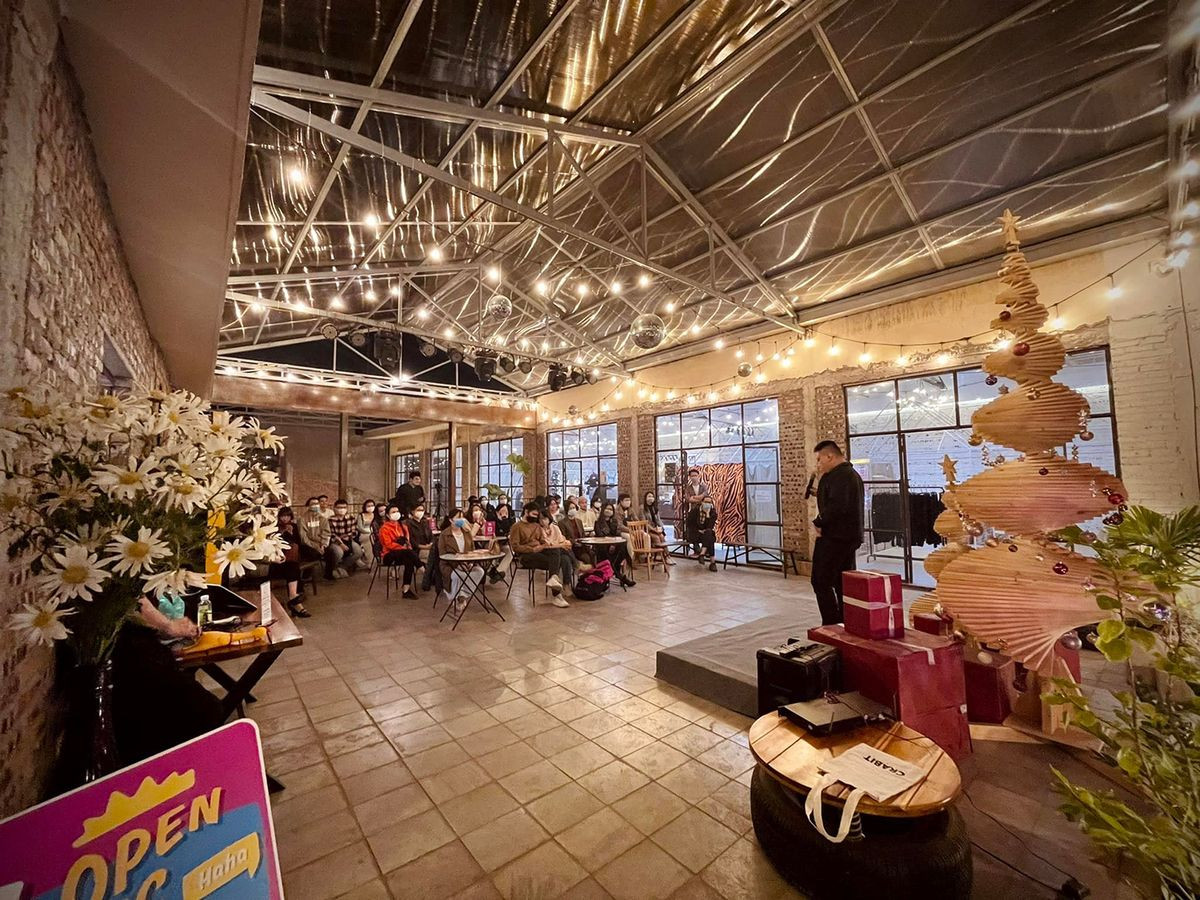
In the field of heritage preservation and promotion, public-private partnerships can generate additional resources for research, digitalization, promotion, and development of cultural tourism products and experiential activities to improve the quality of service to the public. Similarly, at theaters, cultural centers, and art spaces, the participation of businesses in investment, operation, and service development can help overcome funding shortages, improve program quality, and attract audiences.
According to experts, in the context of the cultural industry increasingly asserting its role in economic growth, public-private partnerships also open up opportunities to form creative centers, performance complexes, art spaces, and large-scale cultural product distribution platforms. However, it is necessary to distinguish between the socialization of cultural activities and public-private partnerships in the legal sense. Not every sponsorship, event organization, or contribution by businesses constitutes a public-private partnership project. Therefore, a mechanism is needed to clearly define the responsibilities, rights, obligations, and monitoring methods of all participating parties.
Cultural imprint from public-private partnerships
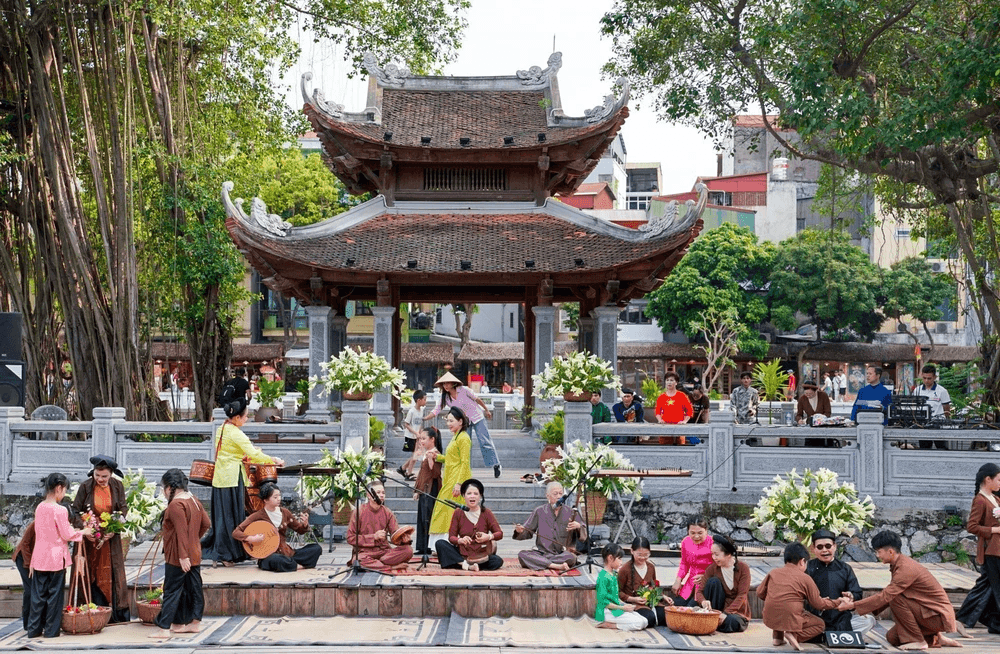
In Hanoi , public-private partnership models are contributing to creating new milestones in the development of the capital's culture, expanding creative spaces and cultural enjoyment for the people. Models such as Complex 01, Vincom Contemporary Art Center (VCCA), and Tổ Chim Xanh (Blue Bird) have become venues for exhibitions, performances, art exchanges, and connecting the creative community. Through these initiatives, social resources are mobilized more effectively, contributing to the diversification of cultural spaces and enriching the spiritual lives of the people.
On May 29, 2026, at the Hanoi Museum, the Hanoi Department of Culture and Sports, with the support of the UNESCO Office in Vietnam and SOVICO Group, launched the Map of the Network of Creative Cultural Spaces in Hanoi – the Creative Gateway, aiming to connect, introduce, and promote creative spaces, while also updating activities, events, and creative programs in the city. This demonstrates the collaborative role between state management agencies, businesses, and social partners in cultural development.
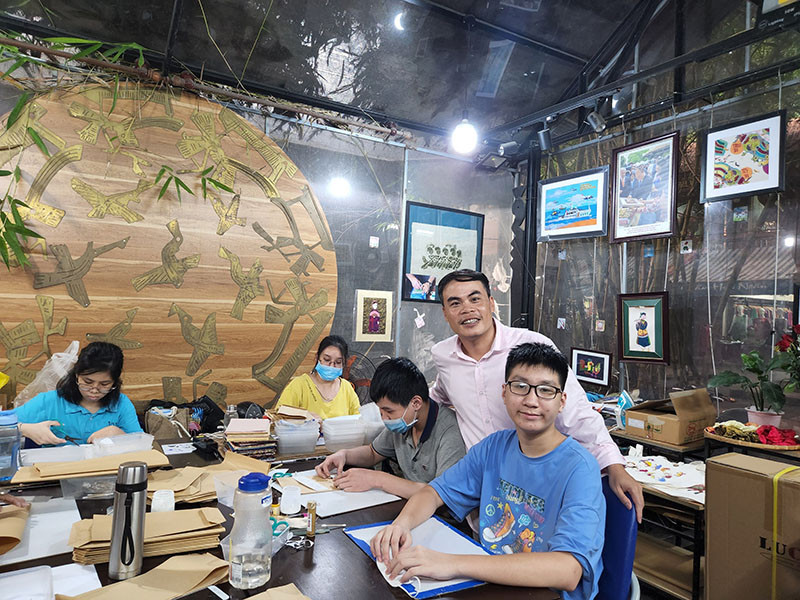
In the field of exploiting and promoting the cultural value of traditional craft villages, Vụn Art in Vạn Phúc silk village is a typical model of combining traditional materials with creative thinking. Not only does it create products with economic value, but the model also provides employment for more than 30 people with disabilities, while organizing creative activities, experiential tours, and product promotion.
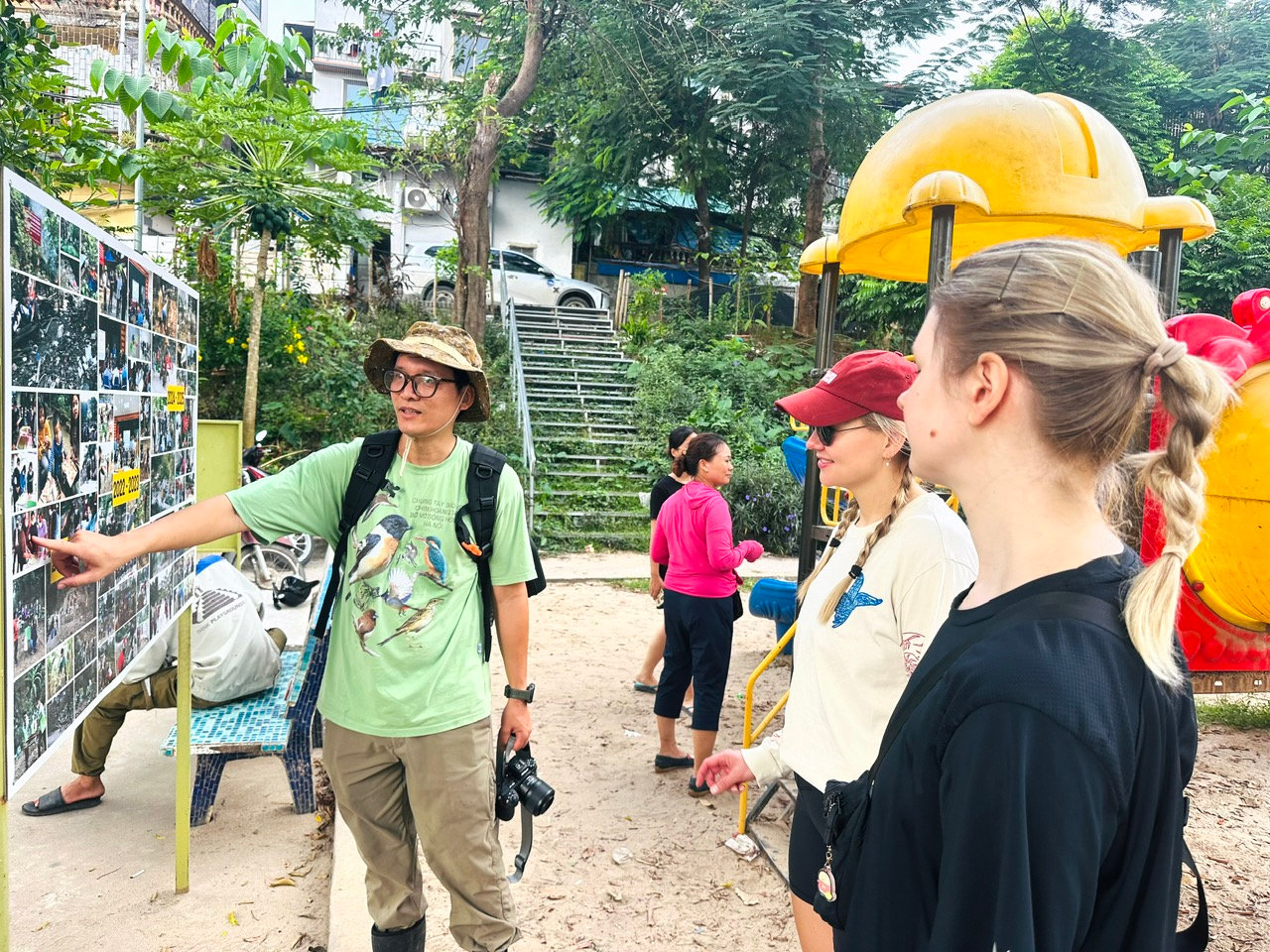
In the field of public cultural space development, the Phuc Tan Forest Park Project demonstrates the effectiveness of mobilizing social resources in improving living environments and creating community spaces. According to Nguyen Tieu Quoc Dat, Creative Director of Think Playgrounds, this social enterprise collaborated with environmental management agencies, the Hong Ha ward government, and local residents to transform a landfill at the foot of Long Bien Bridge into a playground and forest park, improving the ecological environment and enhancing the quality of cultural life in the residential area. The model also shows the effectiveness of government, social enterprises, and the community working together to renovate and utilize public spaces in a sustainable manner.
Along with policies and guidelines promoting the development of Vietnamese culture, Resolution No. 28/2026/QH16 is opening up opportunities for public-private partnerships to become more substantive. However, according to experts, for these mechanisms to truly become a driving force for development, regulations on partner selection, management and exploitation of public assets, benefit sharing, and risk control during implementation need to be finalized soon.
Director Viet Tu, who has participated in many public-private partnership art projects, believes that projects need to be built on the principles of openness and transparency, ensuring a harmonious balance of interests between the State, investors, and the community. The State also needs policies to encourage businesses to invest in areas with the potential to create significant added value, such as the creative industries, cultural technology, performing arts, film, design, video games, and cultural tourism.
From the perspective of preserving and promoting heritage values, interdisciplinary innovator Nguyen Quoc Hoang Anh emphasized that exploiting economic value must always go hand in hand with the responsibility of preservation. Attracting investment and increasing revenue is necessary, but economic goals cannot be pursued at the expense of distorting historical sites or excessively commercializing traditional cultural values.
It is evident that Resolution No. 28/2026/QH16 represents a rapid, direct, and groundbreaking institutionalization of Resolution No. 80-NQ/TW, creating an important policy foundation to promote cultural development. When specific mechanisms are concretized and implemented synchronously and effectively, public-private partnerships are expected to become a crucial driving force, contributing to overcoming resource bottlenecks, improving the quality of cultural activities, and promoting the development of cultural industries. More importantly, the collaboration between the State, businesses, and the community will create conditions for cultural values not only to be preserved and disseminated but also to become an endogenous resource for the sustainable development of the Capital city.