From villages to community spaces
In the lives of the Tay, Nung, and Thai ethnic groups, Then is not simply a form of performance but is also closely linked to beliefs, customs, and conceptions of humanity, nature, and the universe. In 2019, the Then practice of the Tay, Nung, and Thai people in Vietnam was inscribed by UNESCO on the Representative List of the Intangible Cultural Heritage of Humanity. This is not only a recognition of the heritage's value but also highlights the need for continued protection and promotion by the communities themselves.
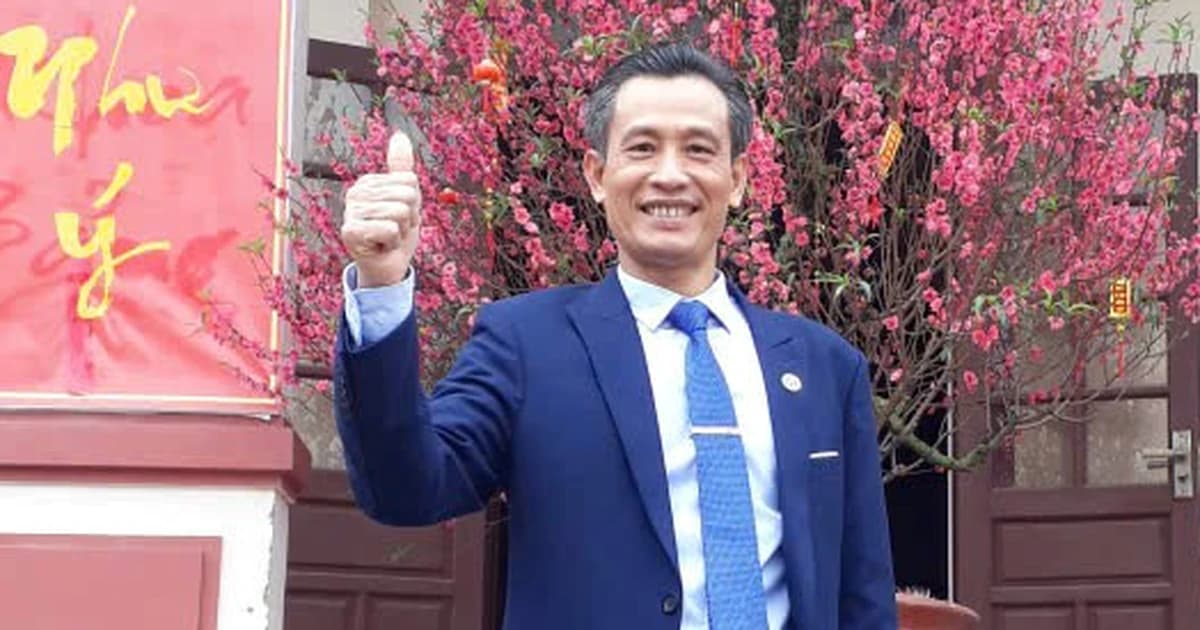
In Thai Nguyen, Then singing and Tinh lute clubs contribute to maintaining an environment for practicing and connecting those who love traditional art. The Suoi Ngan Then Group is one of the groups that maintains activities such as practicing, exchanging, and performing, while also guiding newcomers to learn the music and lyrics. For Chu Hai Hau (born in 1990 in Cao Bang ), a member of the Suoi Ngan Then Group, her love for Then began with childhood memories. Born and raised in a region with a Then tradition, she often heard her grandparents sing on important family and community occasions. After studying at the Viet Bac College of Culture and Arts and choosing to study Then singing, she hopes to contribute to preserving national culture in ways that are relevant to modern life.
 |
Ms. Chu Hai Hau (standing) during a knowledge-sharing session on Then singing and Tinh lute playing for young people. Photo: Provided by the interviewee . |
One of her concrete endeavors is organizing free classes in Then singing and Tinh lute playing for children. Initially, she only hoped her two daughters would learn to speak the Tay language, sing Then songs, and understand more about their ethnic culture. As more children came to the class, it gradually became a space for them to become familiar with the lyrics, the music, and traditional values.
“I think if our generation doesn’t preserve and pass on this tradition, who will continue this music and song?” Ms. Hau shared. According to her, the difficulty lies not only in learning the techniques of playing the instrument, singing, or the ancient Sino-Tay vocabulary in some melodies, but also in maintaining the learners’ interest. In a context where children have many entertainment options, persistently practicing each note and each lyric requires appropriate teaching methods and long-term support.
Besides in-person classes, Ms. Hau utilizes social media, short videos , and livestreams to share Then melodies, helping enthusiasts far from home to access them. She hopes that schools will have more clubs, creating opportunities for students to directly play instruments, practice singing, and interact. According to her, curiosity may lead young people to Then, but a learning and practice environment is what will keep them engaged in the long term.
When the Then music resonates on the contemporary stage
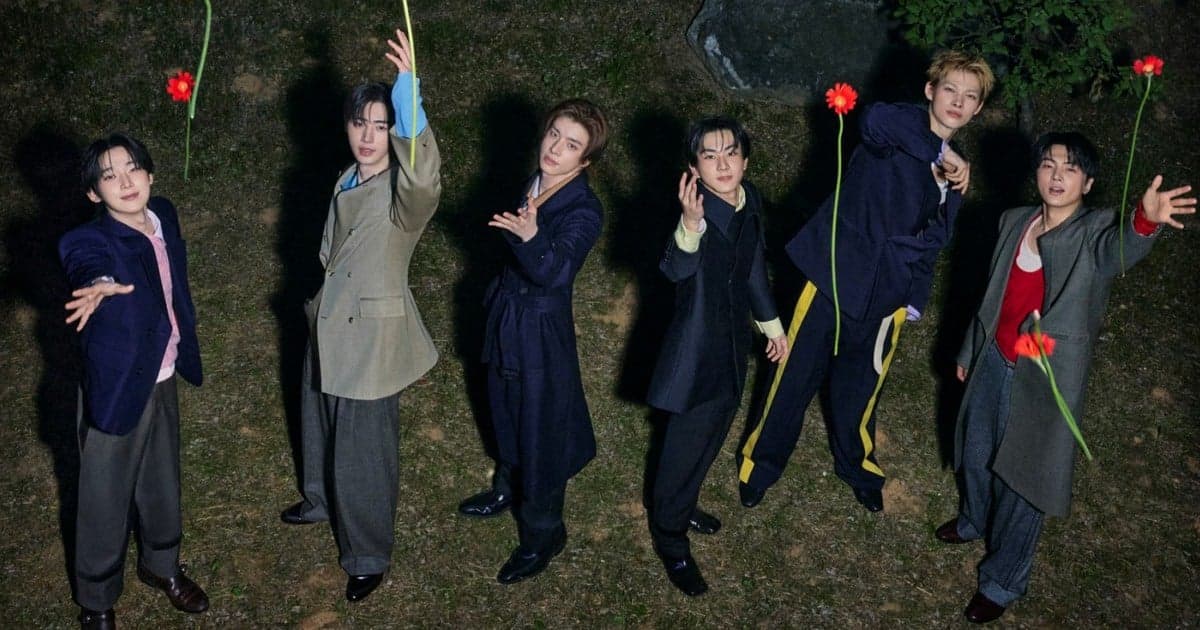
From the community's living space, Then singing has gained more opportunities to reach the public through contemporary music stages. The appearance of the artists from the Suoi Ngan Then group in the performance of "Tich Tich Tinh Tang" at the "Brother Overcoming a Thousand Thorns" program and the two concerts on October 17th and 18th in Ho Chi Minh City is a clear example of this cultural exchange.
Recalling the moment she brought the traditional Tay ethnic music and costumes to large stages, Ms. Hoang Thi Chien (born in 1961 in Lao Cai ), a Tay ethnic woman and former lecturer at Viet Bac Pedagogical University, could not hide her pride. Ms. Chien shared that she and the other artists and members of the Suoi Ngan Then Troupe were very happy and moved to perform before a large audience, especially when "Tich Tich Tinh Tang" received such a warm reception from many young people.
 |
| The Then Suoi Ngan troupe and other artists perform the song "Tich Tich Tinh Tang". Photo: YeaH1 |
The opportunity for this collaboration stems from Mrs. Chien's own practice of the Tày folk art. After retiring and beginning to learn Then singing, she would often share a new song with her son, singer Hoàng Dũng. Through stories about Then lyrics, the sound of the Tày string instrument, and the culture of the Tày people, Dũng's love for this traditional art form gradually grew. This was also one of the inspirations for him and the other artists to create the performance "Tích tịch tình tang".
Standing on the big stage with the Suoi Ngan Then Troupe, Ms. Chu Hai Hau sees this opportunity as a continuation between two generations. For her, this event is not simply a performance opportunity but also a beautiful connection between those who preserve traditional culture and young artists, thereby bringing folk art closer to the public.
From that experience, Ms. Hau realized that traditional folk melodies are not at all unfamiliar to young audiences. When presented with respect, sincerity, and an appropriate approach, local cultural values still have the ability to create empathy between generations. "The feeling of being professionally respected and creating art together has become a beautiful and invaluable memory," Ms. Hau shared.
For the ripple effect to become a continuation
The public's reception of "Tich Tich Tinh Tang" demonstrates the appeal of traditional cultural elements when placed in new expressive spaces. However, interest in a performance or program does not necessarily mean the public truly understands and is connected to the heritage. To ensure its spread extends beyond moments on stage, practical solutions are needed to maintain the environment for its practice and transmission.
 |
| Ms. Hoang Thi Chien (left) performs with her son, singer Hoang Dung (right). Photo: YeaH1 |
According to Ms. Hoang Thi Chien, heritage preservation is not just about safeguarding heritage, but also about ensuring that its authentic values are disseminated, passed down for a long time, and continue to develop. Combining traditional elements with contemporary music can open up new approaches, but it is necessary to ensure respect for the cultural characteristics and values of Then art. Through this, the public will not only enjoy the performances but also have the opportunity to better understand the origins and meanings of Then lyrics, the sound of the zither, and the culture of the Tay, Nung, and Thai ethnic groups.
To transform the interest of young audiences into lasting love, Ms. Chu Hai Hau believes it's necessary to start with approaches that are accessible and suitable for learners. First, simple Then lessons could be compiled, incorporating some contemporary musical elements to create interest. Social media platforms like TikTok and YouTube should also be utilized through short instructional videos, cover challenges, or online practice groups, giving Then enthusiasts more opportunities to learn and practice.
Furthermore, integrating heritage into the educational environment is crucial in the process of passing it on to the younger generation. Ms. Hau proposed strengthening cooperation with schools to establish Then singing clubs, creating opportunities for students to directly familiarize themselves with the zither, practice singing, and learn about ethnic culture. These clubs could also connect and organize exchange sessions, Then singing competitions, and group activities, thereby expanding the community of practitioners and enthusiasts of traditional art.
Audiences may be drawn to traditional art forms for their novelty on stage, but to remain engaged in them long-term, they need opportunities to learn, practice, and share their passion. When these spaces are maintained regularly, the sound of Then music will not only resonate with applause but will also continue to be present in daily life, passed down through generations.