Using used milk cartons, water bottles, cans, and cardboard, students in class 5A4 of Bai Chay Primary School, along with their teacher, created lanterns, flower vases, and whimsical toys. Through their skillful hands and vivid imaginations, these seemingly discarded materials were transformed into useful products. This activity helps students better understand the value of reuse, fostering a sense of saving resources and protecting the environment through small actions.

Students of class 5A4, Bai Chay Primary School, during a life skills lesson.
Nguyen Anh Quan, a student from Bai Chay Primary School, shared: "Through this lesson, I learned how to make toys from recycled materials. Before, I used to throw them away after use, but now I know I can reuse them to make new things, which is both economical and contributes to protecting the environment."
At Bai Chay Primary School, life skills training is integrated into daily activities by teachers. During the changing seasons, students are guided on proper handwashing techniques, personal hygiene, and tidying up their bedding and belongings. These everyday tasks help them develop self-discipline, learn to take care of themselves, and be responsible for their learning and living spaces.

STEM lesson for students at Le Van Tam Secondary School (Hong Gai Ward).
At Le Van Tam Secondary School, school clubs are creating an environment for students to explore their abilities, develop their strengths, and learn how to connect with their friends. Among them, the STEM Club and the Life Skills Club, "Learning to Understand, Growing Together," attract student participation through various experiential activities. Through creative sessions, teamwork, sharing, and listening, students develop critical thinking, collaboration skills, emotional expression, and problem-solving abilities. Each activity helps students better understand themselves, respect differences, and confidently express their thoughts and ideas.
In mountainous areas, life skills education is closely linked to the preservation and promotion of ethnic cultural identity. In Binh Lieu commune, Then singing – a unique intangible cultural heritage of the Tay people – is being maintained and passed on to the younger generation through five Then singing clubs. Participating in these clubs gives children the opportunity to learn traditional melodies, sing, perform, and interact with friends, while also helping them develop self-confidence, communication skills, and the ability to express themselves in front of a crowd.

Along with communication, social, and life skills, the ability to protect oneself in the digital environment is becoming increasingly necessary for students. In 2026, the city's police force organized 18 awareness conferences with over 10,000 students participating. Through these conferences, students were guided on how to use the internet safely and responsibly, to be cautious when sharing personal information, and to seek adult support when encountering unusual situations.
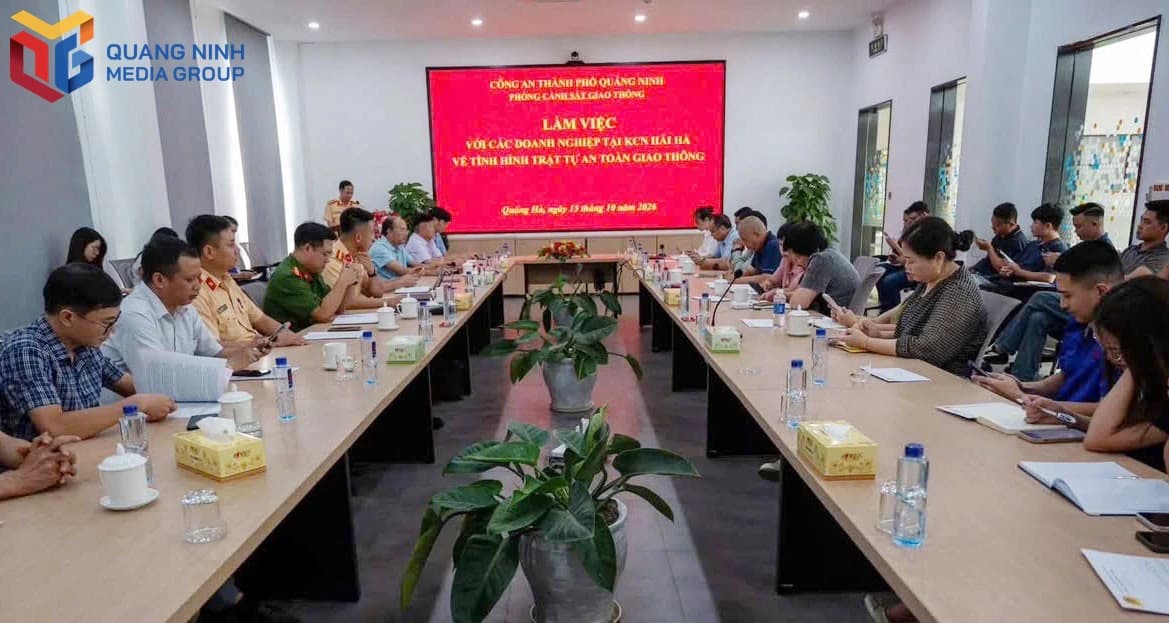
Traffic safety is also a key focus for the education sector and the police force in life skills education. In the first nine months of 2026, the Traffic Police Department of the city organized 112 direct awareness campaigns at schools and vocational training centers, attracting approximately 60,000 students, teachers, and parents. The campaigns focused on traffic safety regulations , safe driving skills, and accident prevention among students.
Child care, protection, and life skills development have also received attention from all levels, sectors, and organizations. In 2026, youth union branches in the city organized 657 training courses on drowning prevention and child abuse for 344,296 children; 675 activities on drug prevention and social evils for 176,464 children; and 356 sessions on preventing school violence for 192,768 children. The Social Assistance Center organized 20 classes on preventing child labor, 13 classes on preventing human trafficking, and 20 life skills classes for 724 children at the Center and in remote areas.
The attention from all levels and sectors in equipping children with life skills is contributing to creating a safe and healthy environment for them to develop and grow. This helps each child become more confident, proactive, and responsible towards themselves, their families, and their communities.