Vietnam possesses a rich culinary heritage, with many dishes gaining international acclaim. However, for Vietnamese flavors to truly become an influential brand, a systematic approach is needed, connecting traditional identity with tourism products and the global market.
Each dish tells a cultural story.
Cuisine has a special power to connect people. Those who enjoy it may not fully understand the history or customs of a country, but through its food, they can sense aspects of its lifestyle, natural environment, and the character of its community.
Pho evokes urban culture and culinary sophistication; banh mi is the result of cultural exchange, creating a unique Vietnamese identity; and bun bo Hue embodies the flavors of the ancient capital's cuisine.
The dishes of the Mekong Delta tell stories of rivers, alluvial soil, and local produce. The cuisine of ethnic minorities preserves knowledge about the mountains and forests, seasons, and how people adapt to nature...
Therefore, cuisine is not just a consumer product. It is also a living heritage, passed down through family memories, the hands of artisans, and community customs. When tourists learn about the ingredients, the preparation methods, the stories of the cooks, and the dining environment, the food becomes a profound cultural experience.
Around the world , many destinations have leveraged cuisine as a competitive advantage. Tourists flock to a city for its restaurant reputation, to a rural area to sample local specialties, or extend their stay to participate in cooking classes, visit traditional markets, and explore the region's sourcing of ingredients.
Food can provide additional reasons to travel, increase spending, and expand livelihoods for local communities.
Vietnam has many advantages in this trend. In 2025, Vietnam was honored by the World Culinary Awards as Asia's Leading Culinary Destination. Hanoi received the title of Asia's Leading Emerging Culinary City; Ho Chi Minh City ranked fourth in Time Out's list of the 20 world's culinary capitals.
The MICHELIN Guide also notes that an increasing number of Vietnamese restaurants possess quality and unique character.
These results create further promotional opportunities, but reputation alone is not enough to build a sustainable brand. For a dish to win over international diners, it needs to ensure quality, food safety and hygiene, professional service, and convenient accessibility.
Standardization is necessary, but it doesn't mean every dish has to have the same recipe. The important thing is to maintain the core characteristics while remaining flexible to suit the tastes and conditions of each market.

Turning food into a travel experience.
One limitation in promoting Vietnamese cuisine today is that many activities only focus on showcasing the finished dish. Tourists get to enjoy the food but don't have many opportunities to discover the story behind it. Meanwhile, the lasting appeal of cuisine often begins with those stories.
A dish can lead tourists to the source of the ingredients, traditional craft villages, traditional markets, or to meet the person who holds the secret recipe. Experiencing baking, preparing local dishes, learning about spices, or dining in the community's living space will create a unique tourism product.
This approach also expands economic benefits. Farmers provide the raw materials, artisans teach the techniques, households organize the experiences, and restaurants and travel businesses connect to the market. When all stakeholders participate, revenue from tourism can be used to support livelihoods and preserve culinary knowledge.
Many localities still have gaps in exploiting this resource. Famous local specialties lack experiential spaces; craft villages are not connected to tour routes; and artisans do not have the opportunity to participate in tourism activities. Many products also lack a recognizable story and methods of promotion suitable for international tourists.
Each locality needs to select dishes with cultural value and the potential to create uniqueness in order to develop them into signature products. Culinary maps, market exploration routes, tours experiencing the raw material sources, cooking classes, or programs to meet artisans can all become components of tourism products.
More importantly, the people must benefit and play a key role. If traditional knowledge does not provide a livelihood for those who possess it, its preservation is unlikely to be sustainable.

Building a national culinary brand.
In 2026, the Ministry of Culture, Sports and Tourism submitted to the Prime Minister a plan for promoting and marketing Vietnamese tourism and cuisine abroad for the period 2026-2030.
The stated goal is to develop culinary and cultural tourism, making cuisine a crucial element in the national tourism brand, aiming to place Vietnam among the top 5 most attractive culinary destinations in Asia.
To achieve this goal, it is necessary to establish a system of products with consistent quality, appropriate criteria, and a sufficiently wide promotional network.
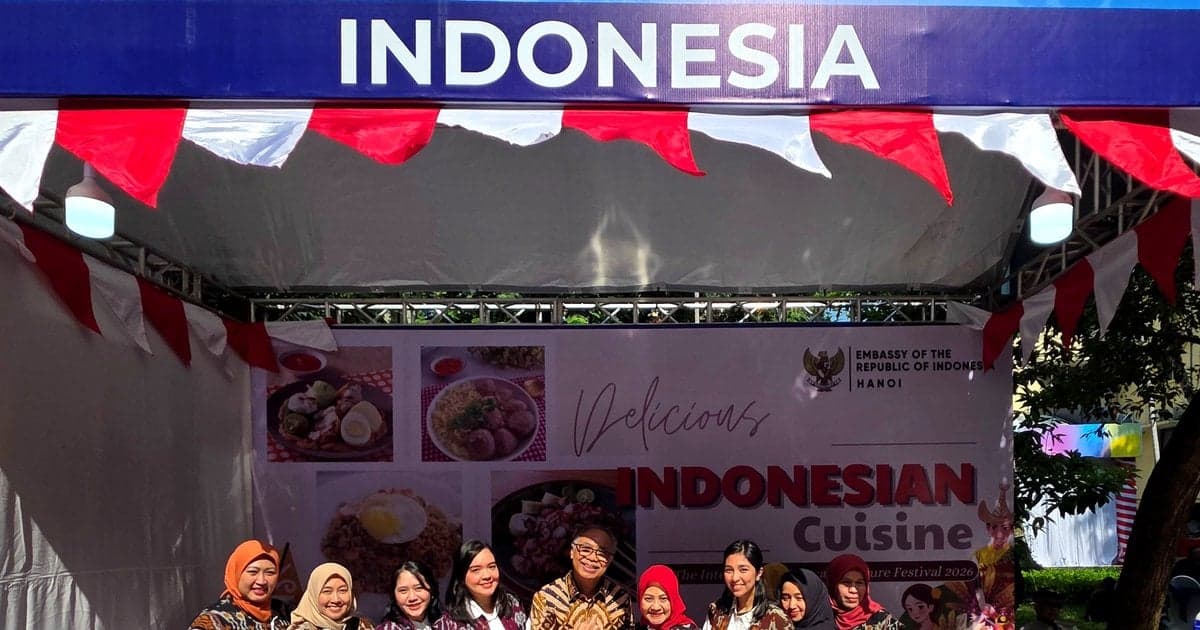
Developing Vietnamese restaurants abroad should be seen as a long-term cultural promotion activity. Each restaurant can become a space to showcase Vietnamese cuisine, ingredients, culinary art, and lifestyle.
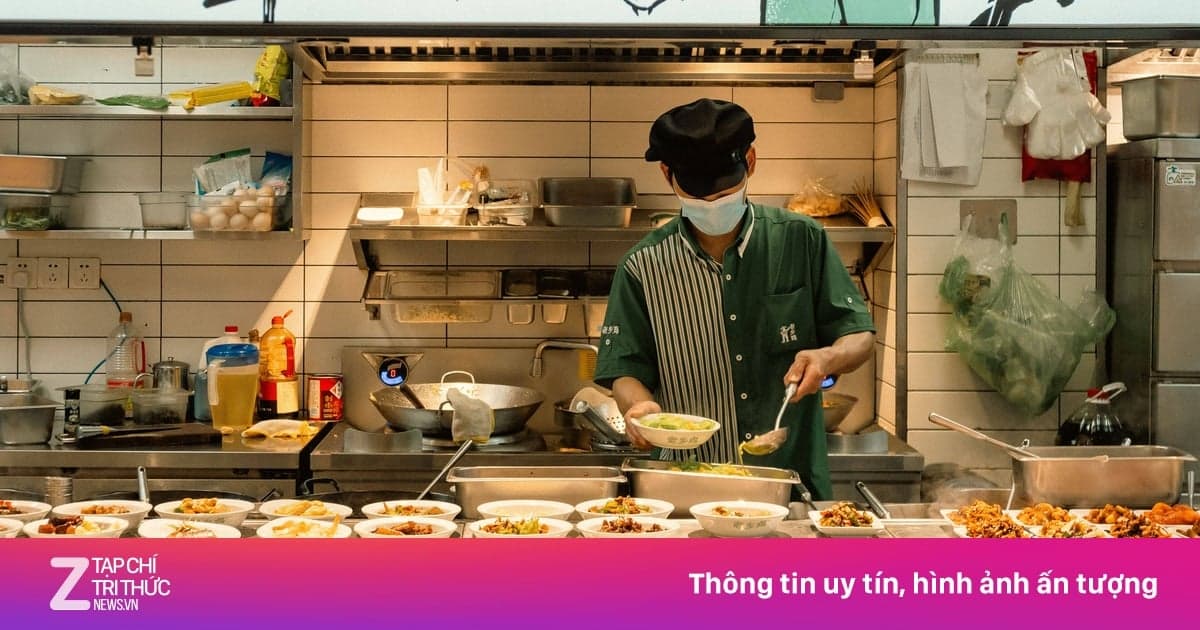
The team of chefs plays a crucial role in this process. They need to be equipped with knowledge of traditional cuisine, professional skills, food safety, foreign languages, and the ability to introduce the culture. A chef's creativity can innovate dishes, but it must be based on a deep understanding of their origins and identity.
Promotional activities must also take into account the characteristics of each market. Asian, European, or Middle Eastern customers have different consumption habits and requirements.
For the Halal market, standards for ingredients and processing must be strictly adhered to. Adaptability will expand access opportunities, while identity is what creates differentiation.
Digital technology can support promotion through culinary maps, booking platforms, videos showcasing dishes, and stories about the source of ingredients and artisans. The more convenient the information, the easier it is for tourists to find what they're looking for and turn their interest into real-life experiences.
Vietnamese cuisine has the advantage of richness and local character. But to become an influential cultural ambassador, each dish needs to be presented with the story behind it; each tourism product needs to bring practical benefits to the community; and each brand needs to be backed by quality and professionalism.
A traveler might remember Vietnam through a bowl of pho, a banh mi sandwich, or a regionally flavored meal. If that memory sparks a desire to return, to learn more about the people and the country, then cuisine has fulfilled a role far beyond a mere dining experience. That is the power of culture when told through taste.