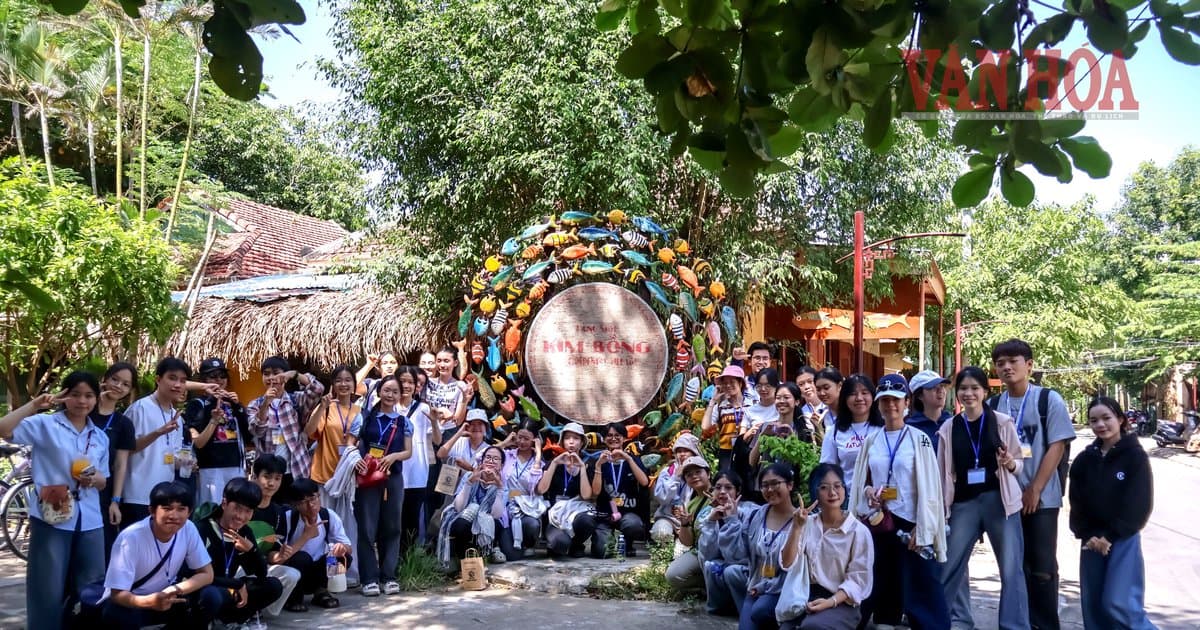
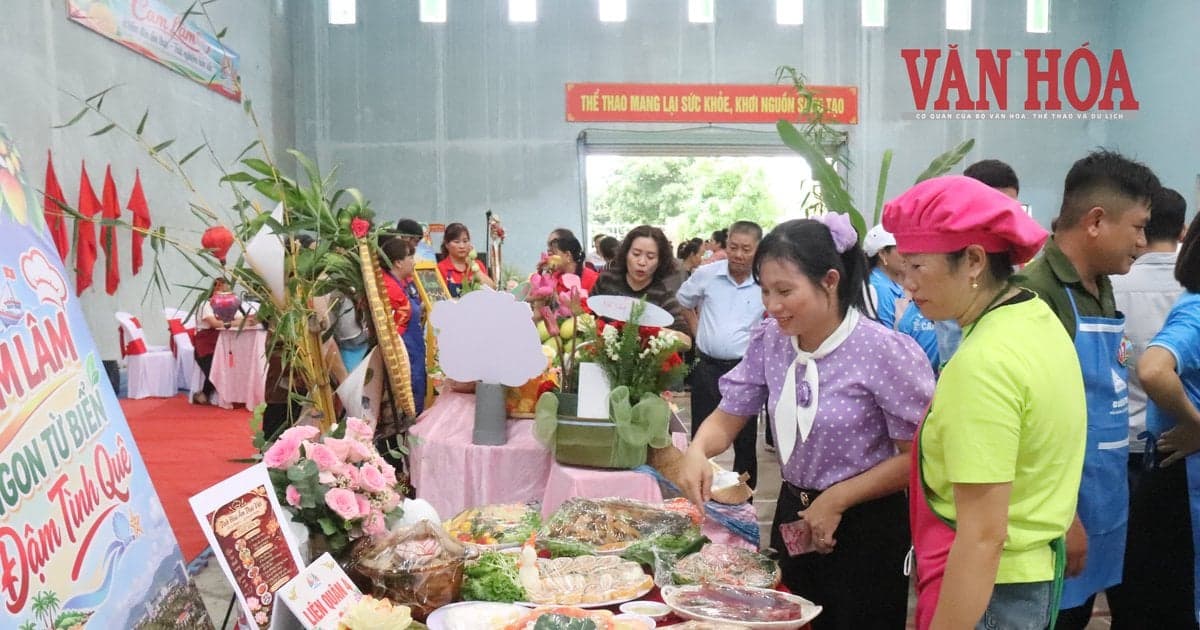
On November 23rd, the Dong Nai Tourism Association organized a seminar titled "Green Tourism in Dong Nai - From Awareness to Action to Reduce Emissions." The event was held within the framework of the Dong Nai City Culture and Solidarity Week 2026.

According to Ms. Nguyen Cao Thuy Trang, representative of Saigon Tourism College, after the merger, Dong Nai possesses many advantages for developing green tourism. Notable examples include Cat Tien National Park; the Dong Nai Nature and Culture Conservation Area, part of the World Biosphere Reserve, with a planned 51 ecotourism sites covering over 42,500 hectares; and other destinations such as Tri An Lake, Ba Ra Mountain, and Chua Chan Mountain.
Besides natural resources, the development of Long Thanh International Airport and Phuoc An Port, capable of receiving international cruise ships, opens up more opportunities for connectivity and attracting tourists. This also forms the basis for Dong Nai to position itself as a low-carbon tourism destination in the Southeast region.
However, the increasing number of tourists also places considerable pressure on the environment. In 2025, Dong Nai is expected to welcome over 5.2 million tourists, generating more than 3,900 billion VND in tourism revenue. In the first nine months of 2026, the locality welcomed over 4.45 million tourists. According to the orientation in Resolution No. 10-NQ/TU, Dong Nai aims to welcome 11.5 million tourists and generate nearly 12,000 billion VND in revenue by 2030.
Ms. Trang believes that the gap between awareness and green action in many businesses remains quite large. Through surveys and training, Ms. Trang pointed out four main limitations: businesses lack specific emission data; there is still a reluctance to invest in green solutions due to the high cost; there is a lack of tools for calculating emissions in Vietnamese, suitable for domestic conditions; and the workforce directly involved lacks knowledge about greenhouse gases (CO2e) and resource-saving practices in their daily work.

From a research perspective, Dr. Duong Duc Minh – Deputy Director of the Ho Chi Minh City Institute for Economic and Tourism Development Research – views green tourism as a process of forming and maintaining a two-way relationship between supply and demand within a suitable institutional environment. Specifically, tourist demand provides the impetus for businesses to innovate products, while green services that are high-quality, reasonably priced, convenient, and transparently informationed also contribute to guiding customer choices.
According to Dr. Duong Duc Minh, in this process, institutions play a constructive role through a system of regulations, standards, support policies, and destination governance, thereby removing obstacles related to infrastructure and coordination mechanisms.
Applying this to the situation in Dong Nai, Dr. Duong Duc Minh suggested that it is necessary to compare the characteristics of the customer market with the supply capacity and current policies to identify areas for improvement. Notably, increasing the number of green products or participating businesses is not enough to confirm that environmental impact has decreased. Environmental effectiveness, especially the reduction in greenhouse gas emissions, must be assessed in parallel with economic effectiveness based on operational data, inventory scope, and accurate calculation methods.

Sharing the same view, Mr. Huynh Quoc Bao - Vice Chairman of the Dong Nai Tourism Association - affirmed that businesses can begin the green transformation with specific actions such as monitoring electricity, water, and fuel consumption; reducing food waste; and improving service processes.
"It's necessary to distinguish between improving general environmental sanitation and the resulting reduction in greenhouse gas emissions. Determining the level of emission reduction requires accurate data and calculation methods, rather than relying solely on subjective changes," Mr. Bao emphasized.
To support the transition process, the Dong Nai Tourism Association said it will compile the recommendations from the seminar and coordinate with management agencies, research institutes, and universities to help businesses access knowledge, measurement tools, and appropriate green practices.
According to Mr. Tran Van Tan, General Director of Vinh Phuc Joint Stock Company and owner of the Golden Cashew Nut Tourism Farm, the value of agricultural tourism lies not only in revenue from sightseeing, accommodation, or services, but also in its ability to increase economic value based on existing resources, while preserving agricultural land, ecosystems, and natural landscapes. Therefore, emission reduction needs to be implemented immediately in operational activities, from transportation, accommodation, and food to the use of electricity, water, and waste treatment, with specific measurement and evaluation.