For generations, flax, looms, beeswax, and fermented rice wine have been intimately connected to the lives of the Hmong people in Cat Cat village, Ta Van commune. Under the pressure of industrial goods, many traditional crafts faced the risk of extinction. A turning point came when the Cat Cat Tourist Area in Ta Van commune received systematic investment, focusing on cultural preservation. Ancient wooden houses were preserved; spaces for demonstrating flax spinning, weaving, beeswax painting, fermented rice wine making, silversmithing, and folk art were restored almost to their original state, transforming traditional identity into a highlight for sustainable tourism development.

Ms. Vang Thi Sung, from Cat Cat Tourist Area, shared: “I came here to work spinning flax and weaving fabric, mainly to demonstrate traditional crafts to tourists. The work isn't as strenuous as working in the fields, but it provides a stable monthly income, helping my family make ends meet and allowing us to provide for our children's education.”
Reportedly, the community engagement model at Cat Cat Tourist Area currently provides regular employment for approximately 200 local workers, with an average income of about 250,000 VND per person per day. For the people in the highlands, this is a significant source of income, proving that when culture is properly valued and invested in, it directly creates practical economic value.
Mr. Nguyen Trung Kien, Deputy Director of Cat Cat Tourism Co., Ltd., affirmed: “Investing in the restoration of traditional crafts and folk cultural practices has created a beautiful landscape for tourists and built a sustainable tourism ecosystem. When people clearly see the economic value derived from their own ethnic identity, they will naturally and wholeheartedly become the main subjects of cultural preservation.”

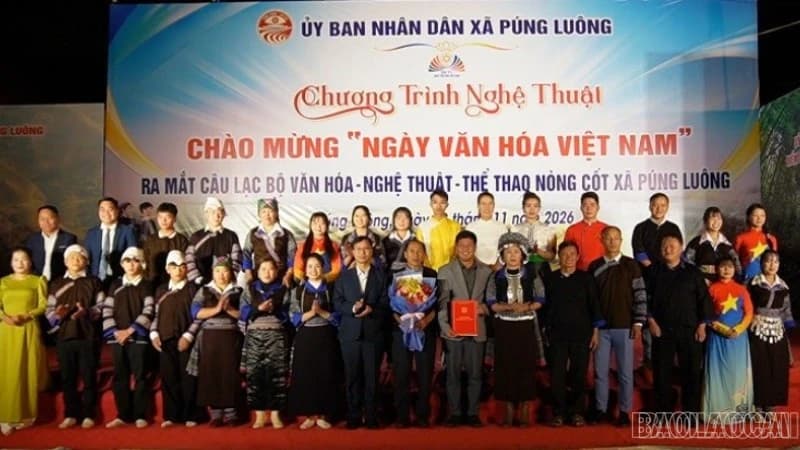
In Lam Thuong commune, recognizing the importance of preserving traditional cultural identity, the commune has implemented a comprehensive set of solutions to improve the quality of tourism activities over the years, gradually affirming its position as a safe, friendly, and hospitable destination. Recently, Lam Thuong commune organized the Ethnic Culture Festival with a series of unique activities aimed at raising awareness of heritage preservation within the community and attracting tourists from all over. Ms. Tran Thi Tuoi from Kheo Leng village, Lam Thuong commune, said: “Most women in Lam Thuong know how to weave and basketry... Although preserving traditional crafts is very hard work, we are determined to stick with them because of our passion. The most rewarding thing is that our handcrafted products contribute to attracting tourists to visit, experience, and buy them as souvenirs, thereby helping our families earn extra income.”
Reportedly, Lam Thuong commune currently maintains six effective homestay and farmstay models, combining accommodation services with experiences such as exploring nature, traditional crafts, bathing in waterfalls, and enjoying local cuisine . From the beginning of the year until now, Lam Thuong has welcomed more than 47,000 visitors, bringing in nearly 39 billion VND in revenue.

Over the years, recognizing culture as both the spiritual foundation and the driving force for socio-economic development, Lao Cai province has allocated significant resources to preserving heritage and restoring unique traditional festivals of ethnic minority communities.
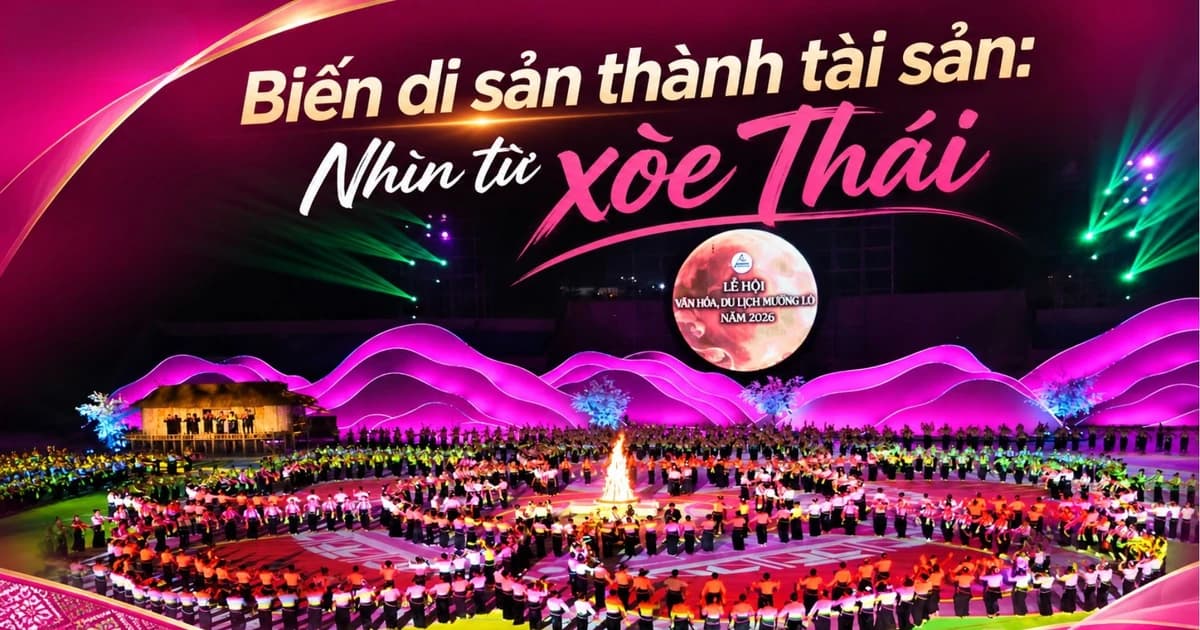
A series of typical festivals such as: the Gầu Tào Festival of the Hmong people, the Roóng Poọc Festival of the Giáy people, the Going Down to the Fields Festival of the Tày people, the Coming-of-Age Ceremony of the Dao people, or the Thượng Temple Festival, the Bảo Hà Temple Festival... are organized on a large scale and solemnly, gradually becoming attractive cultural and tourism events.

From a practical perspective, the "profit" from investing in culture is clearly evident; it's a double profit, strategic and long-term. Economically, culture is the material that creates differentiation, preventing Lao Cai tourism from being lost among many other destinations. International tourists come to Lao Cai not only to admire the majestic natural landscapes, but also to "touch" the depth of culture of the ethnic minority communities. This depth creates added value, extends the length of stay, increases tourist spending, thereby bringing sustainable revenue to businesses and stable livelihoods for the people.
According to representatives from the Provincial Department of Culture, Sports and Tourism, recognizing culture as the spiritual foundation and driving force for socio-economic development, Lao Cai province has allocated significant resources to preserving heritage and restoring traditional festivals in conjunction with sustainable tourism development. Simultaneously, the province aims to harmoniously address the challenges of preservation and development, resolutely avoiding commercialization or the dilution of cultural identity. Close collaboration between the State, businesses, and the people is key to preserving heritage and creating livelihoods.
During the period 2020-2025, prior to the merger, Lao Cai and Yen Bai invested in culture by mobilizing local budgets, social resources, and capital from the National Target Program for socio-economic development in ethnic minority and mountainous areas. Thanks to the effective implementation of specialized projects, resolutions, and policies supporting artisans and grassroots arts, the two provinces have revived many festivals and intangible cultural heritage, improved cultural institutions, linked preservation with tourism, and created livelihoods for the people.

Following the merger of Lao Cai and Yen Bai provinces, the new Lao Cai province possesses a vast development space and a diverse treasure trove of cultural heritage. Facing these new opportunities, the province has issued Project No. 14 (attached to Resolution No. 35-NQ/TU) aimed at preserving and promoting the local cultural identity and people during the period 2026-2030. Accordingly, the total investment for cultural development is estimated at 5,282.1 billion VND, mobilized from the local budget, the National Target Program on Culture, and other legitimate sources of funding.
Project 14 focuses on building iconic structures and infrastructure systems such as: the Provincial Cultural and Exhibition Center, cultural spaces in Sa Pa , monuments to famous figures, a system of parks, sports areas/villages, museums, libraries, 18 commune/ward-level cultural centers, 15 urban cultural houses, and 600 cultural and artistic clubs. Simultaneously, the province prioritizes the restoration and prevention of degradation of dozens of historical sites; the preservation of tangible and intangible heritage and 3 traditional cultural villages linked to community tourism development. In addition, the locality is also promoting the digitization of heritage (3D technology, digital databases), maintaining 4 characteristic cultural events annually, and implementing policies to support artisans and grassroots cultural movements...
Investing in culture requires patience, subtlety, and absolute respect for authenticity. The close collaboration between the "three stakeholders"—the State creating mechanisms and protecting heritage spaces, businesses investing in infrastructure and connecting markets, and the people as creators and beneficiaries—is the key to preserving the core values of cultural identity, thereby generating long-term profits.
Total tourism revenue in Lao Cai province during the first 10 months of 2026 is estimated at 45,150 billion VND, equivalent to 88.4% of the annual plan (51,100 billion VND).