There is no evidence of causing more severe illness.
Regarding information about the PJ.2.1 variant causing an increase in COVID-19 cases in many countries, the Ministry of Health stated that on November 19th, the World Health Organization (WHO) published an initial risk assessment report for this variant. Specifically, it is a subtype of the JN.1 variant belonging to the Omicron strain; and is classified as a variant requiring monitoring.
Accordingly, the detection rate of the PJ.2.1 variant in sequenced samples increased in several countries, mainly in the Americas, especially Canada and the United States .
The WHO notes that this rate does not reflect the prevalence in the community and may be influenced by differences in sampling, sequencing, and reporting between countries.
Some laboratory studies have noted that PJ.2.1 has a higher binding capacity to the human ACE2 receptor than some of the comparable variants, but there is insufficient evidence to confirm higher transmissibility. Existing studies have not shown a significant increase in antibody evasion compared to the controlled variants studied.
The WHO assesses the increased risk to global public health from PJ.2.1 as low, but the reliability of this assessment is low. There is currently no evidence to confirm that this variant causes more severe illness; clinical data are insufficient to conclude on the risk of hospitalization, intensive care treatment, or death associated with PJ.2.1.
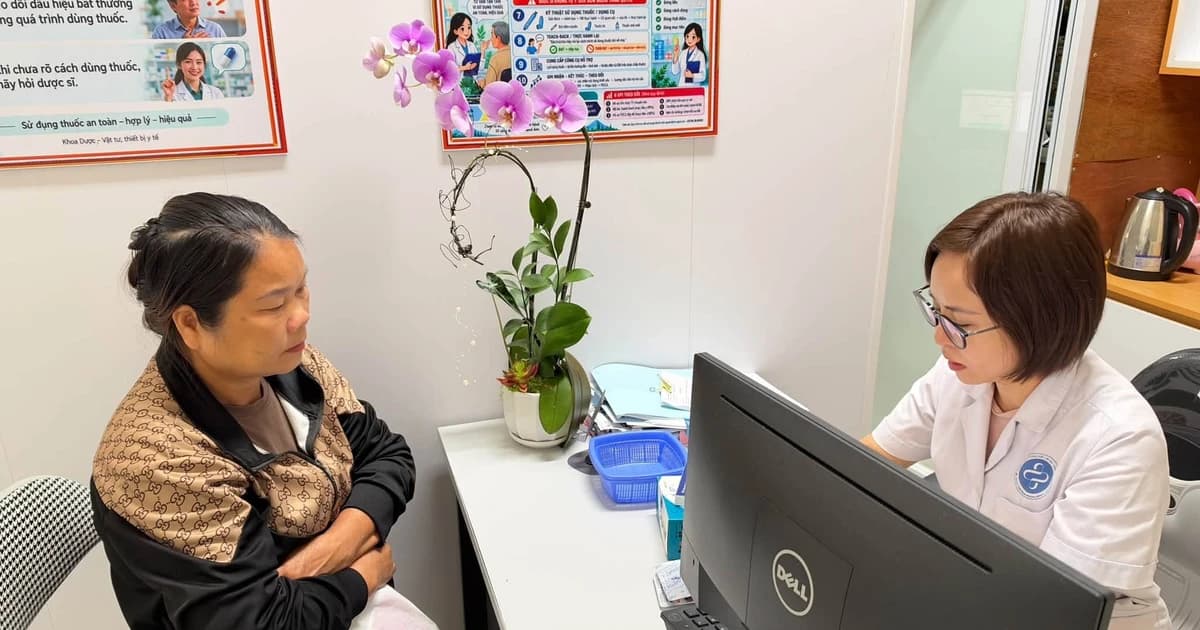
Accordingly, COVID-19 can still be severe in high-risk groups such as the elderly, people with underlying conditions (cardiovascular disease, chronic lung disease, diabetes, kidney disease, etc.), pregnant women, immunocompromised individuals, or those undergoing immunosuppressive drug treatment. These individuals need to proactively prevent the disease and seek timely medical examination and treatment when symptoms appear.
In Vietnam, the Department of Disease Prevention and Control, Ministry of Health, is continuing to coordinate with localities, medical examination and treatment facilities, and specialized institutes to monitor the COVID-19 situation, supervise the circulation of SARS-CoV-2 variants, the number of cases, hospitalizations, severe illness, and deaths in order to assess risks and promptly implement appropriate epidemic prevention and control measures.
People with underlying health conditions should still be vigilant.
According to the Department of Disease Prevention, it is currently the winter-spring season, with changes in temperature and humidity; social activities, travel, and large gatherings also tend to increase during the end of the year and Tet holiday. These factors can increase the risk of transmission of respiratory diseases, including COVID-19, especially in crowded places, enclosed spaces, and poorly ventilated areas.
To proactively protect the health of yourself, your family, and the community, the Department of Disease Prevention, Ministry of Health, recommends that people properly implement measures such as: wearing masks correctly when going to medical facilities, on public transport, in crowded places or in enclosed, poorly ventilated spaces; people with respiratory symptoms should wear masks when in contact with others; frequently washing hands with soap or disinfectant; covering your mouth and nose when coughing or sneezing with a tissue or your elbow; and avoiding touching your eyes, nose, and mouth.
People should keep their homes and workplaces well-ventilated; improve ventilation, especially in enclosed spaces and areas with large crowds; maintain a balanced diet, engage in appropriate exercise, get enough sleep, and manage underlying health conditions effectively.
In particular, when people experience symptoms such as fever, cough, sore throat, runny nose, or fatigue, they should limit contact with others; proactively contact medical facilities for advice, examination, and appropriate treatment, and avoid self-medicating without a prescription.
When severe symptoms such as shortness of breath, persistent chest pain, altered consciousness, or worsening symptoms occur, especially in high-risk individuals, immediate medical attention is necessary for prompt examination and treatment.
The Department of Disease Prevention and Control advises people not to be complacent but also not to panic about information regarding new variants of SARS-CoV-2. The WHO's inclusion of PJ.2.1 under monitoring is a routine surveillance activity aimed at detecting and assessing changes in the virus in a timely manner; it does not mean that the identified variant causes more severe illness.
The Department of Disease Prevention, Ministry of Health, will continue to closely monitor the disease situation, update WHO assessments and domestic surveillance data, provide timely information, and guide appropriate disease prevention and control measures to protect public health.