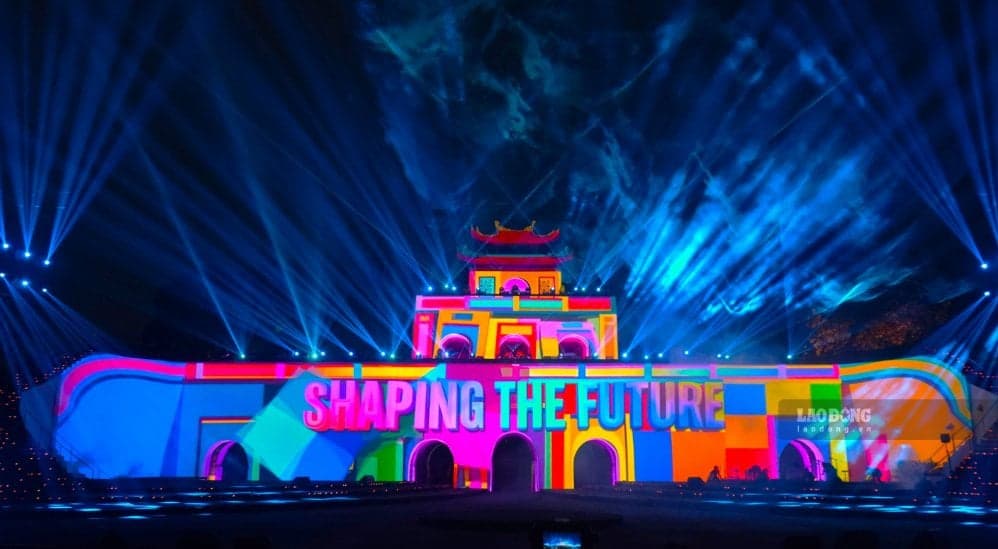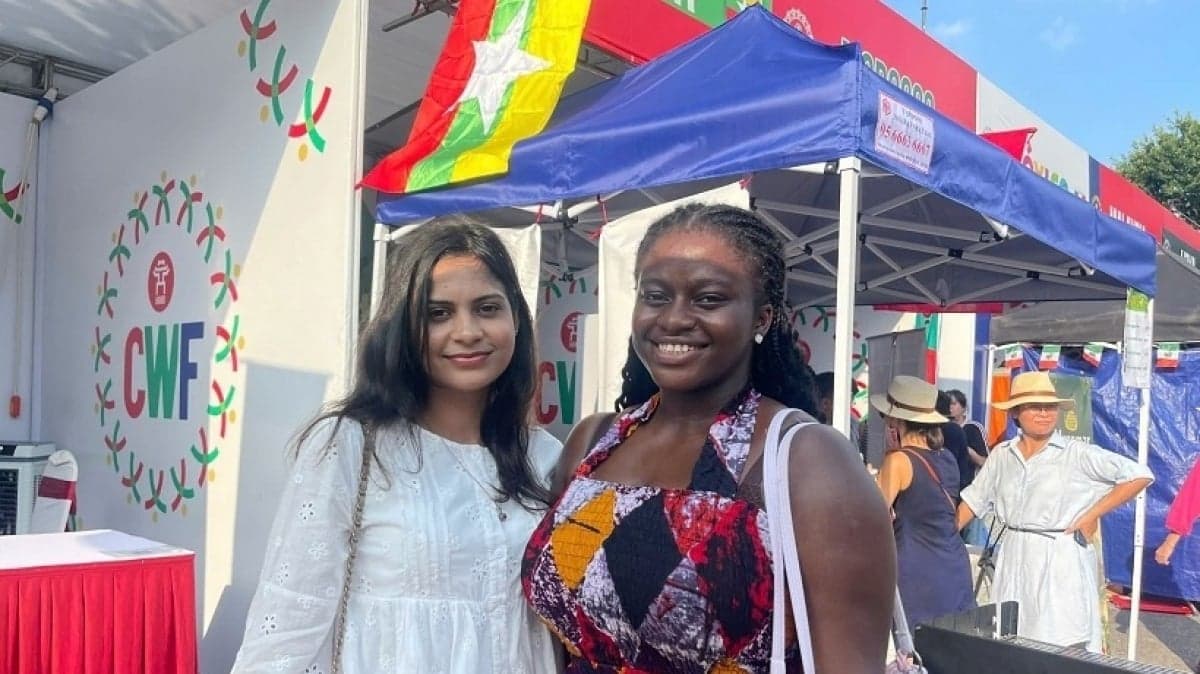

With the theme "Convergence of Heritage – Shaping the Future," this year's festival brings together 50 countries, with 45 cultural spaces, 19 international art troupes, 35 food stalls, and a program showcasing films from nearly 20 film industries. Over the four days, Thang Long Imperial Citadel becomes a vibrant meeting place where heritage, performing arts, film, fashion, cuisine, tourism, and creative forms coexist, interact, and connect.
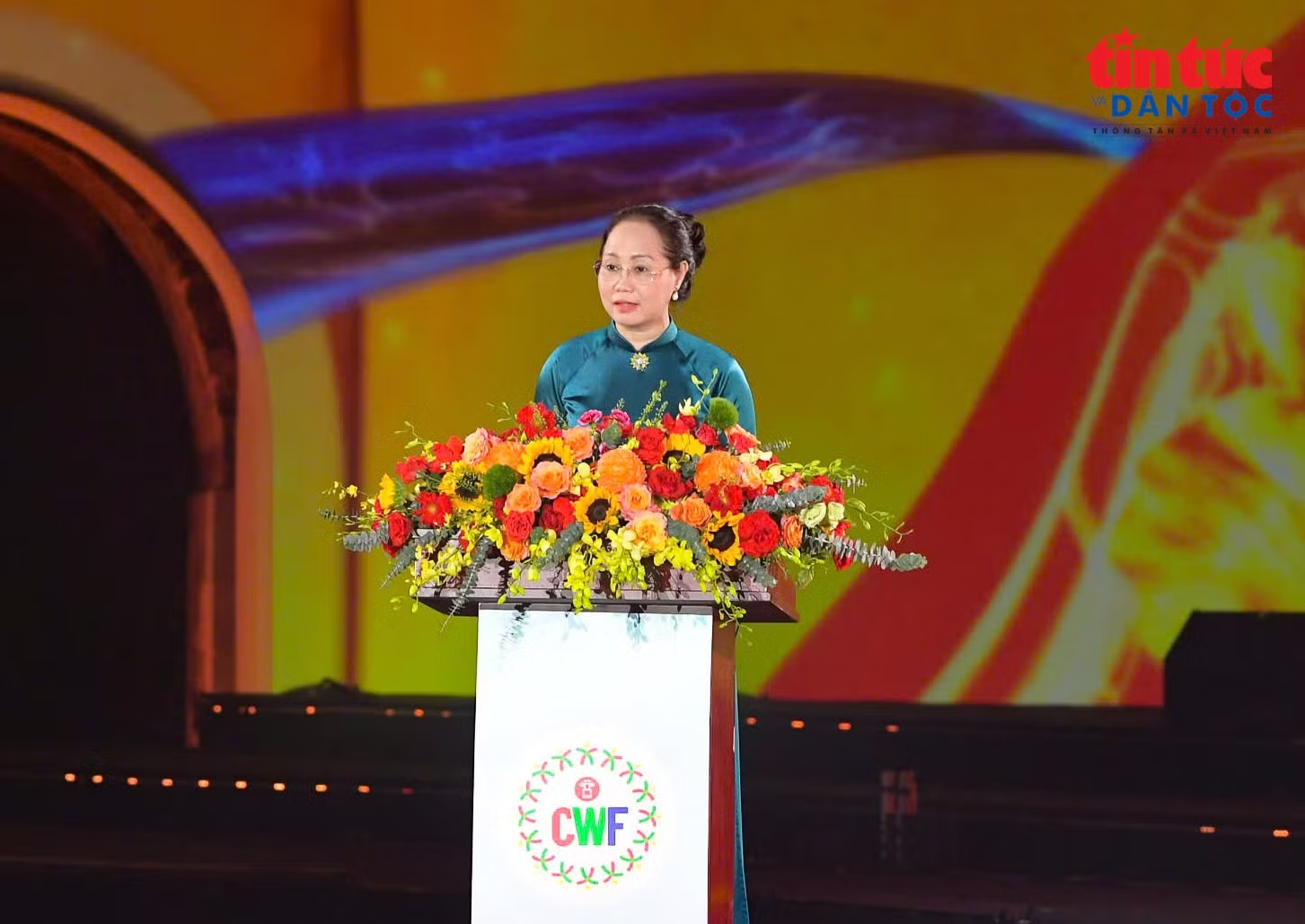
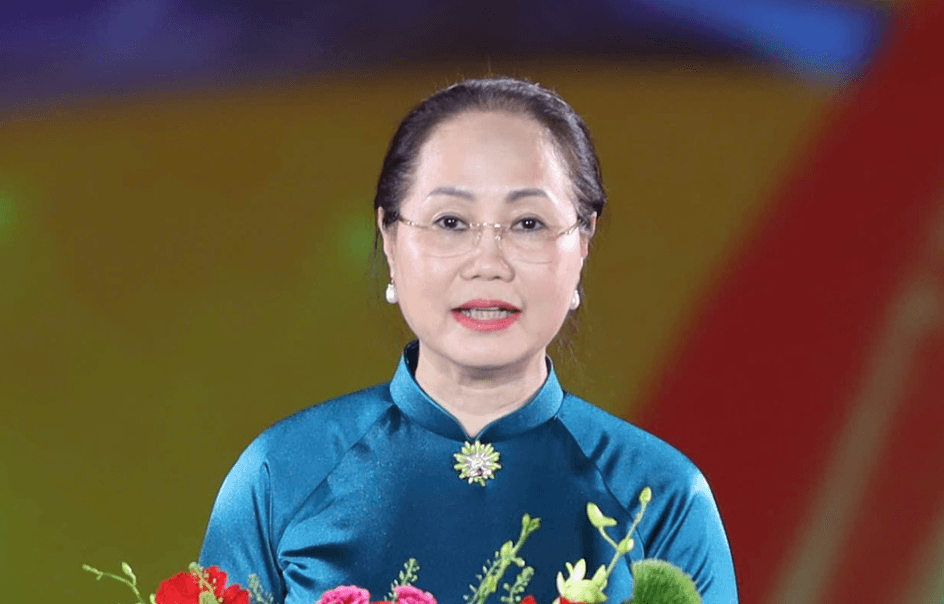
Minister of Culture, Sports and Tourism Lam Thi Phuong Thanh delivered the closing remarks at the festival.
Speaking at the closing ceremony, Minister of Culture, Sports and Tourism Lam Thi Phuong Thanh shared that this year's festival took place at a particularly significant time, as Vietnam celebrated its 50th anniversary of joining UNESCO.
The past half-century has witnessed a significant shift in Vietnam's standing: From a country emerging from war, Vietnam has gradually become an active and responsible member of UNESCO; not only participating in the preservation of cultural values, but increasingly proactively contributing initiatives to global issues. The "International Decade of Culture for Sustainable Development 2027-2036" initiative clearly demonstrates this spirit.
Minister Lam Thi Phuong Thanh affirmed that, for Vietnam, culture is both the spiritual foundation of society and a goal, driving force, and resource for national development. Preserving heritage is not just about safeguarding what belongs to the past, but about ensuring that heritage continues to live in contemporary life, continues to be created, generates new values, and is passed on to future generations. This is also the theme of the festival, "Gathering Heritage - Shaping the Future."
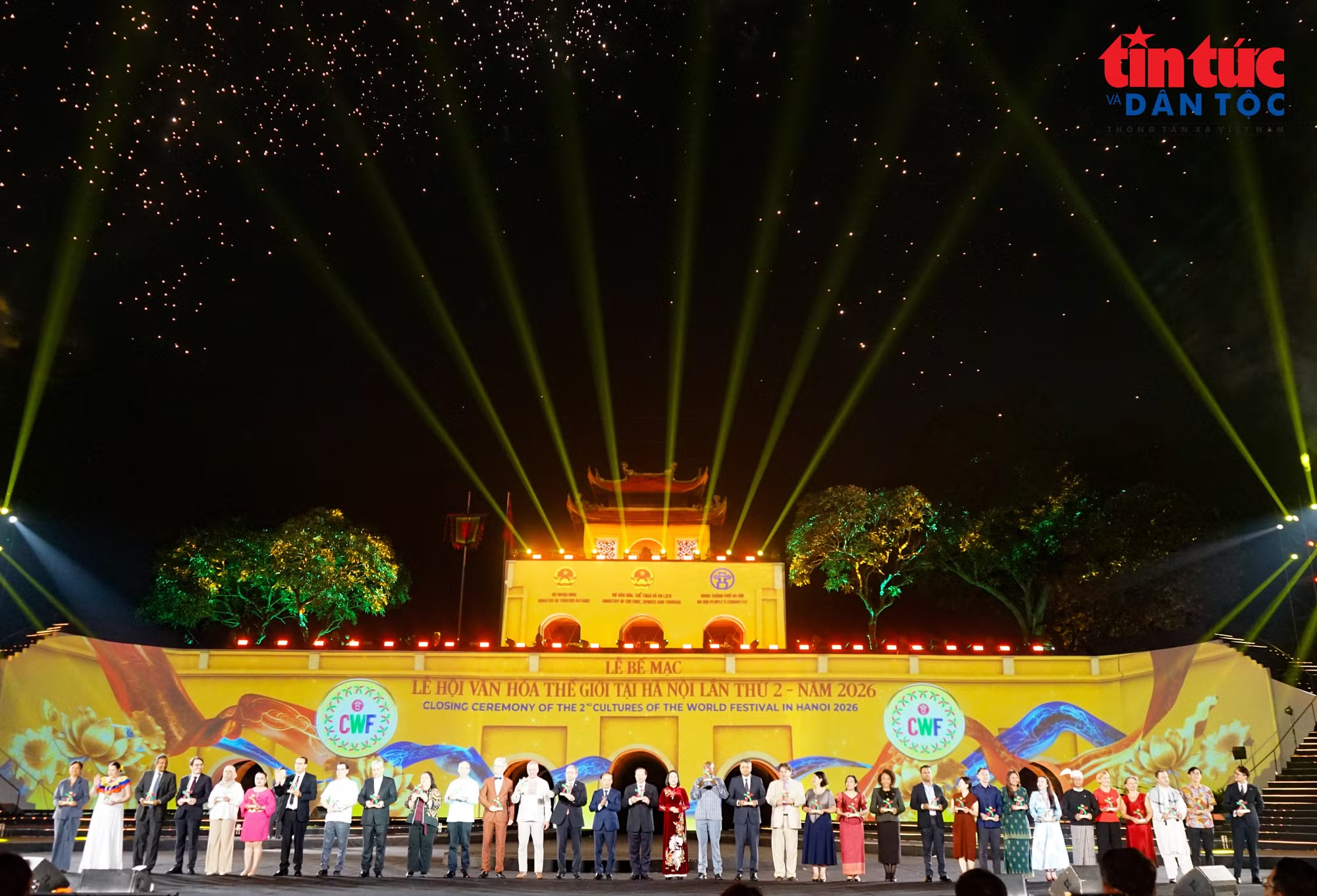
Countries participating in the artistic performances within the framework of the World Cultural Festival receive commemorative plaques from the Organizing Committee.
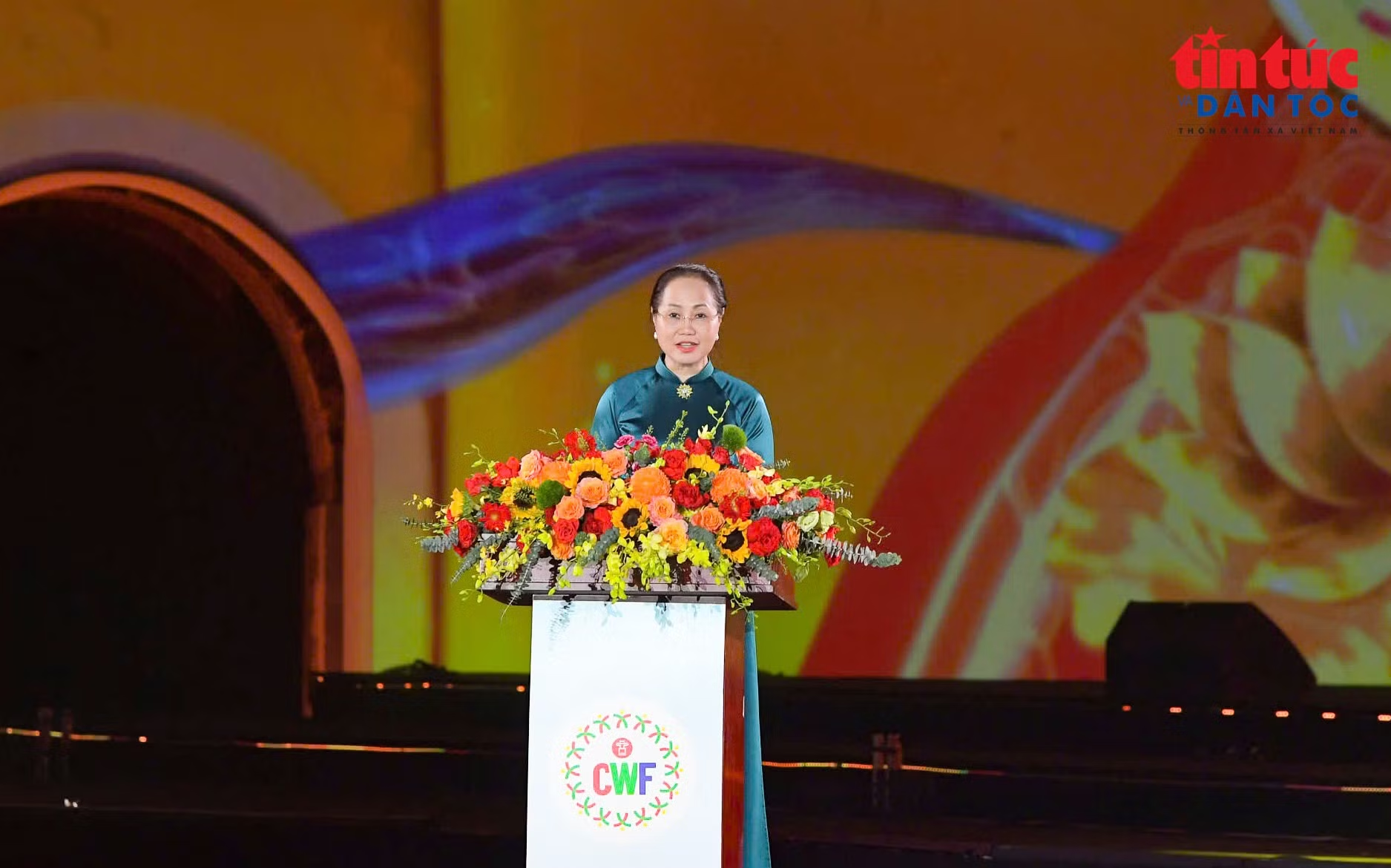
Minister of Culture, Sports and Tourism Lam Thi Phuong Thanh delivered the closing remarks at the festival.
The past four days have also shown that when heritage, art, film, fashion , cuisine, tourism, and creativity are placed in the same space, cultural values are not only introduced and preserved but also have the potential to create new experiences, products, and values. This is also a concrete way to promote the role of cultural industries, transforming creative capacity, identity, and cultural assets into endogenous strength, competitiveness, and national soft power.
A prominent feature of this year's festival is its widespread reach to the public, not only within the Thang Long Imperial Citadel but also across public spaces and media platforms.
The parades on the pedestrian streets brought the vibrant cultures of various countries closer to the people and tourists; the Opening and Closing Ceremonies were broadcast live on VTV, expanding their reach to audiences nationwide.
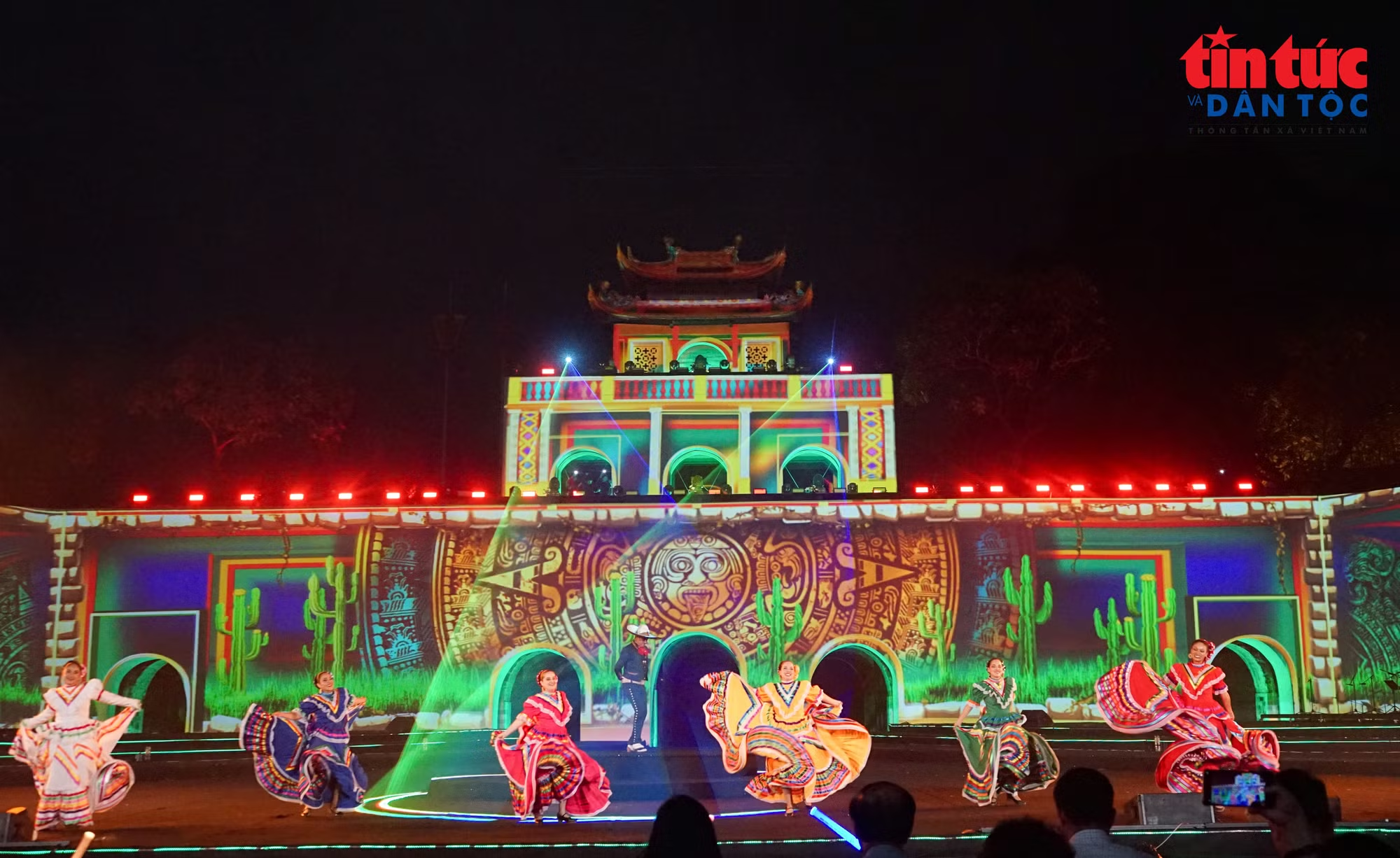
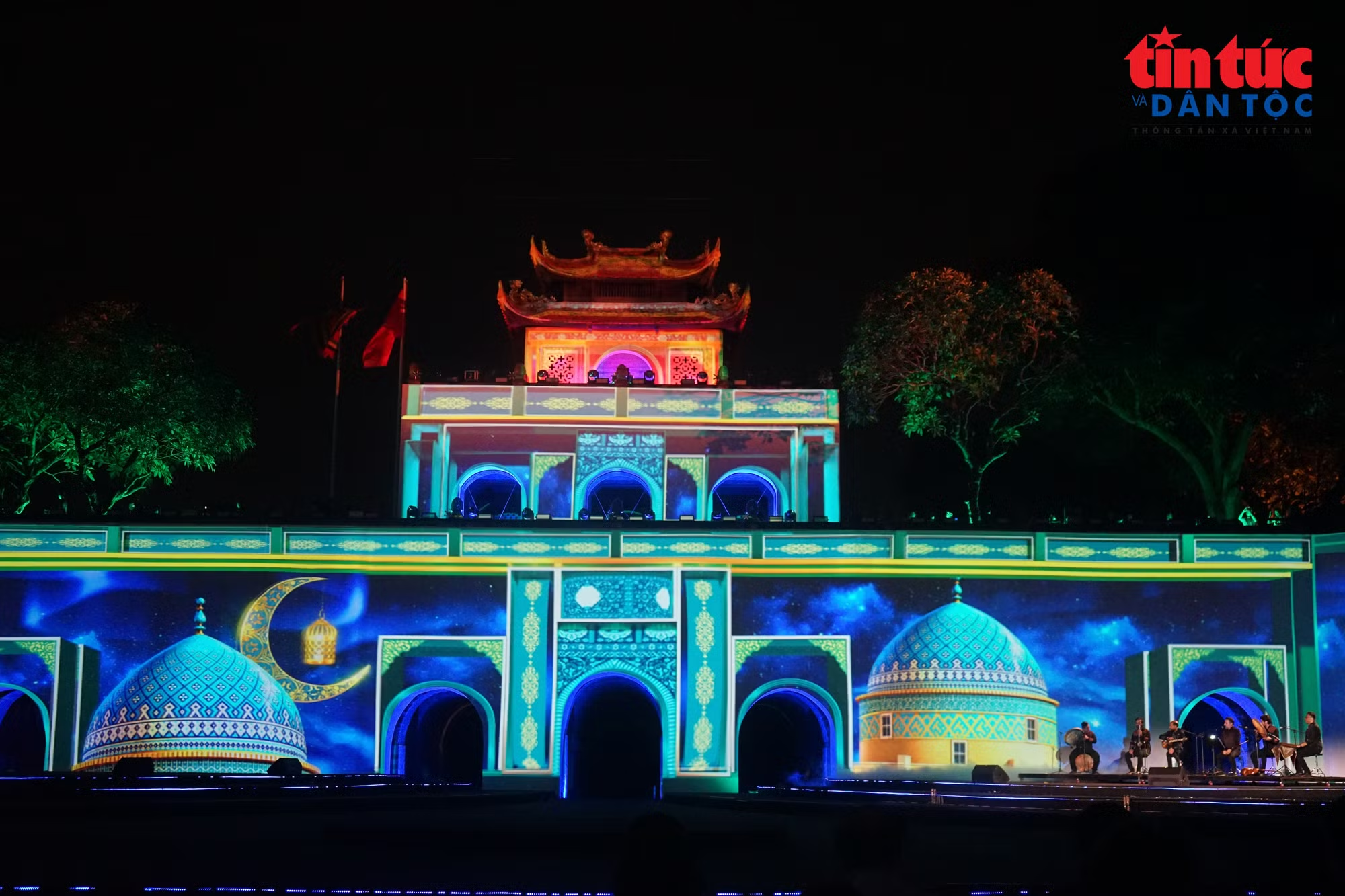
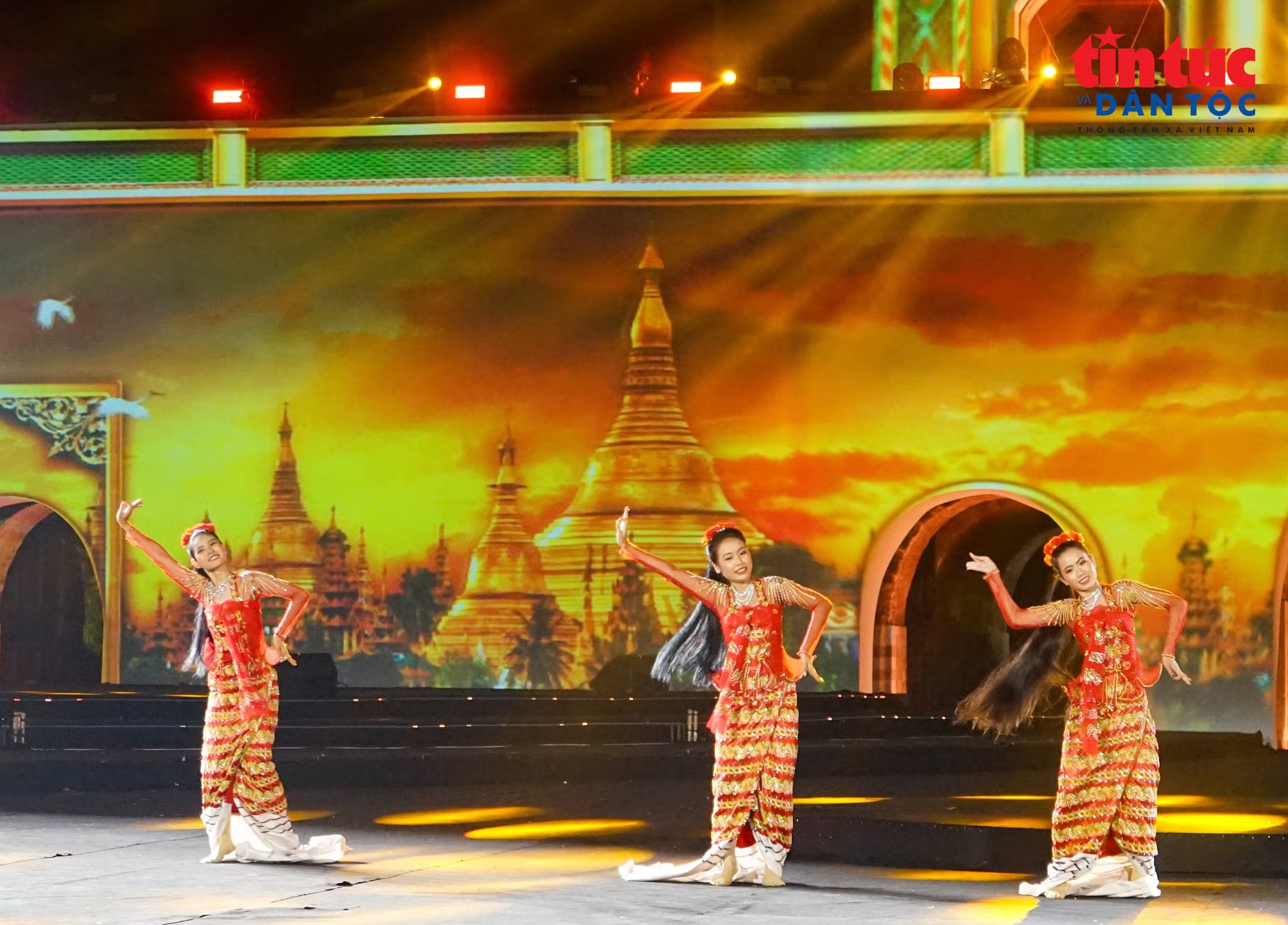
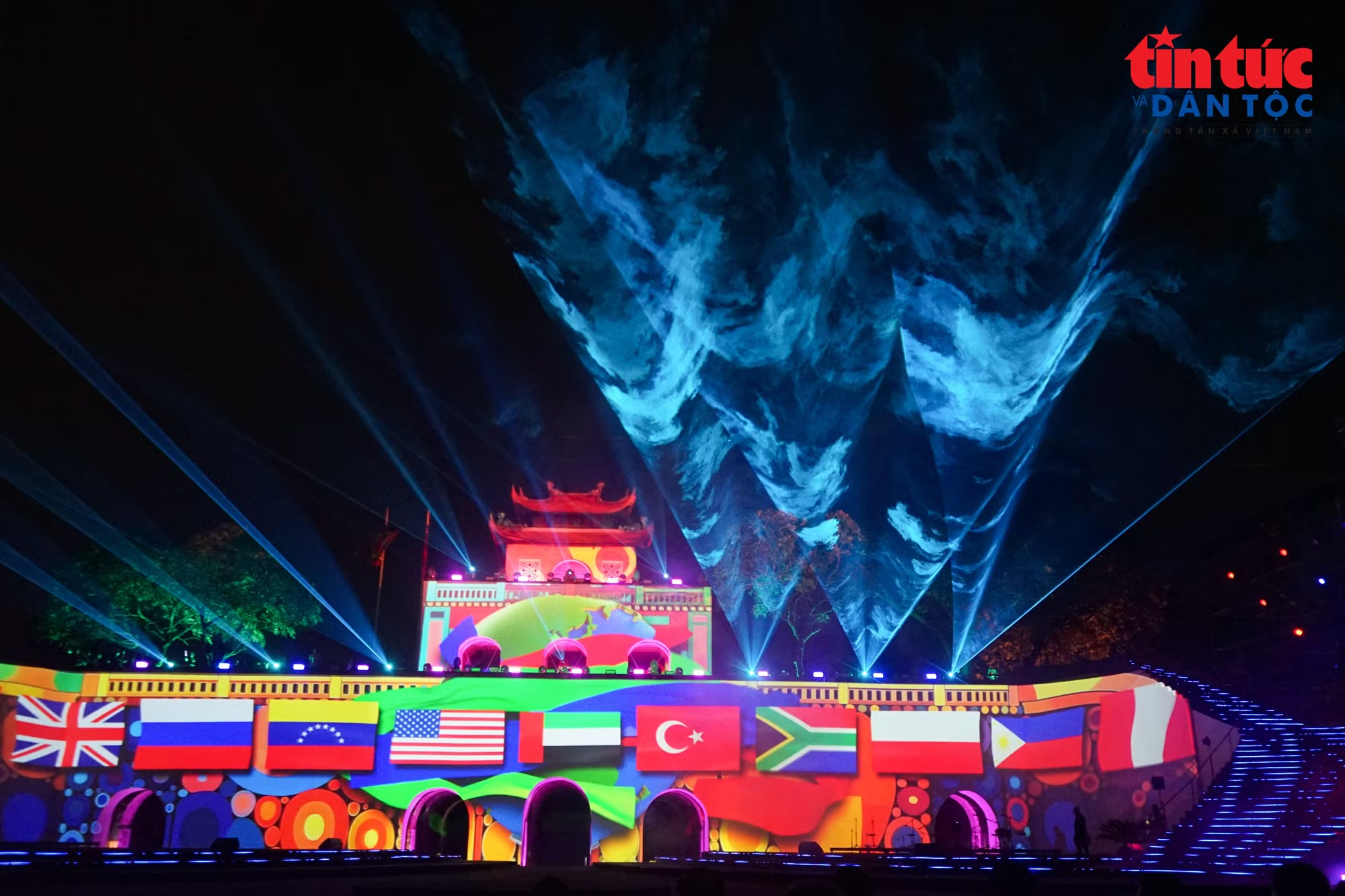
The closing arts program, themed "Convergence of Heritage - Shaping the Future," featured performances by Vietnamese and international artists.
Furthermore, Meta's participation and support have contributed to spreading the festival's activities, images, and stories more widely across digital platforms, thereby expanding the festival's reach from a live event in Hanoi to a cultural gathering accessible to a large domestic and international audience.
Beyond showcasing the unique cultural identities and values of various nations, the festival also fosters encounters between artists, artisans, creators, and the public; contributing to enhanced understanding, fostering friendship, and opening new connections through culture.
The 2026 festival is even more significant as it coincides with Vietnam's 50th anniversary of joining UNESCO, marking half a century of Vietnam's journey from a country emerging from war to an active, responsible member, increasingly proactively contributing initiatives to common issues of UNESCO and the international community.
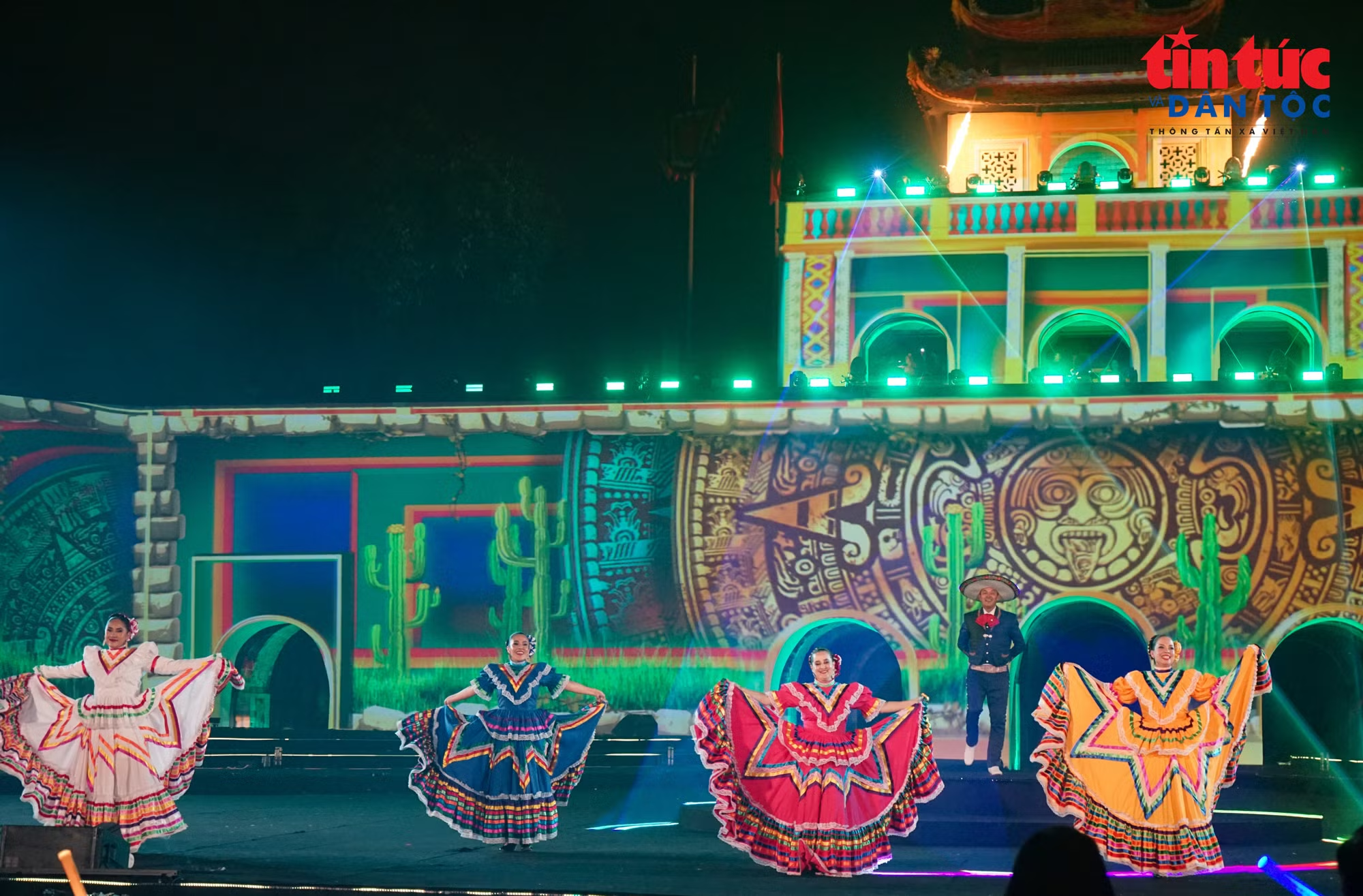
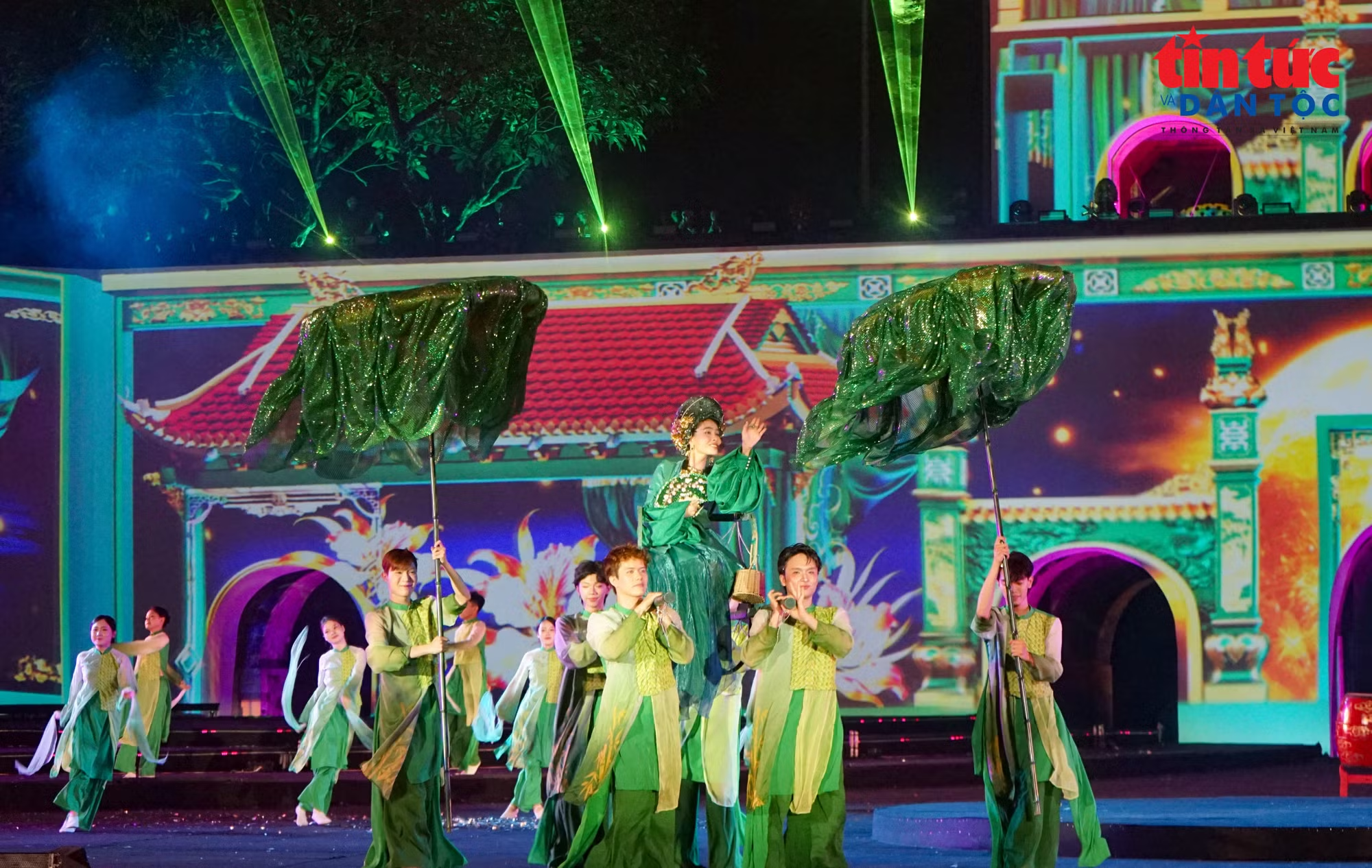
Vietnamese and international artists presented spectacular performances, showcasing the cultural identities of many countries to the public in the capital city.
An encounter through the language of art.
The closing ceremony of the 2nd Hanoi World Culture Festival featured international art troupes and numerous Vietnamese artists, concluding a series of colorful cultural and artistic exchange activities in the capital city.
Art troupes from Belgium, Mexico, Bulgaria, Cambodia, India, Myanmar, the Philippines, Russia, Iran, and the United Arab Emirates (UAE) presented unique artistic performances, contributing to showcasing the cultural identities of their respective countries and strengthening cultural exchange and connection.
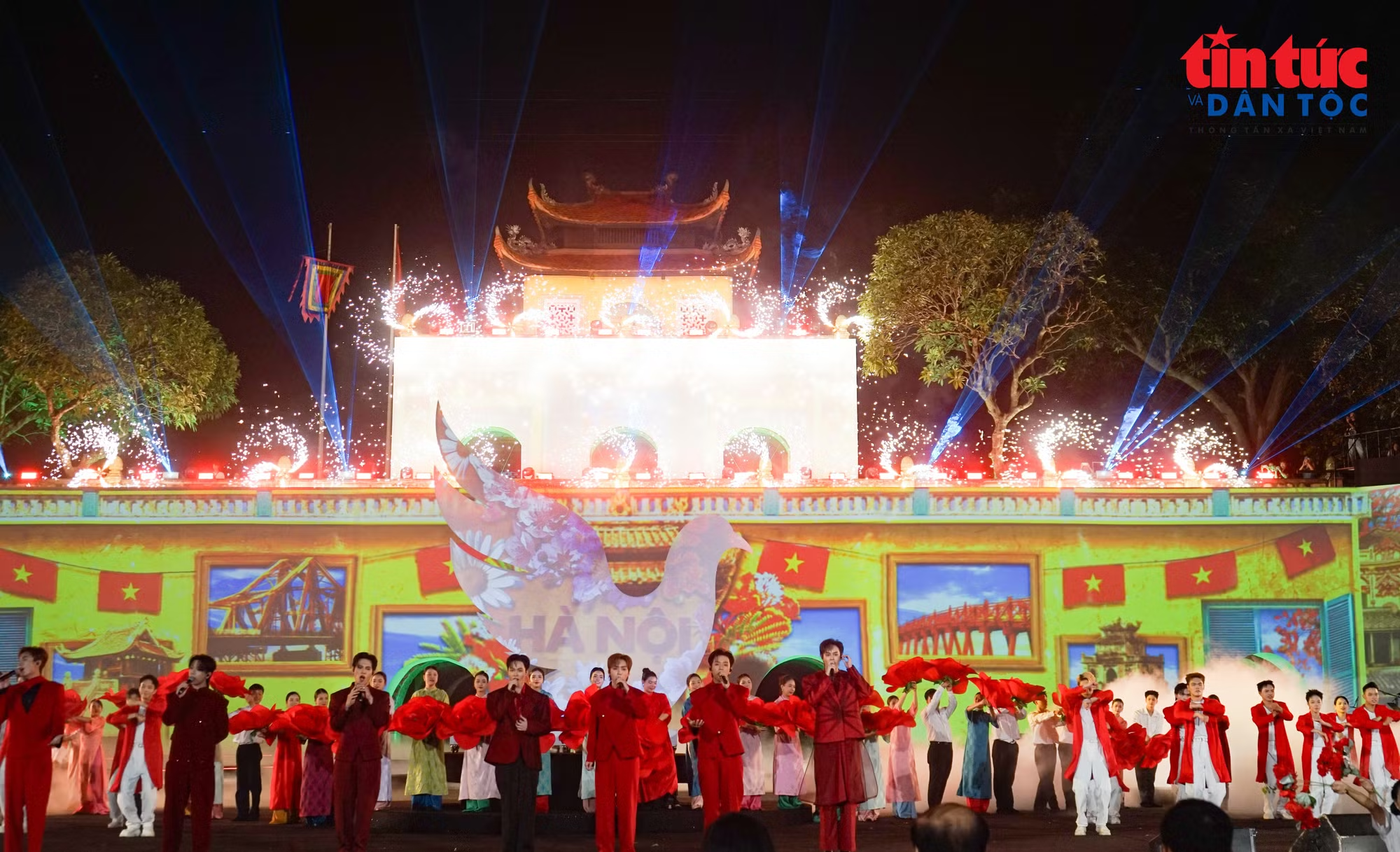
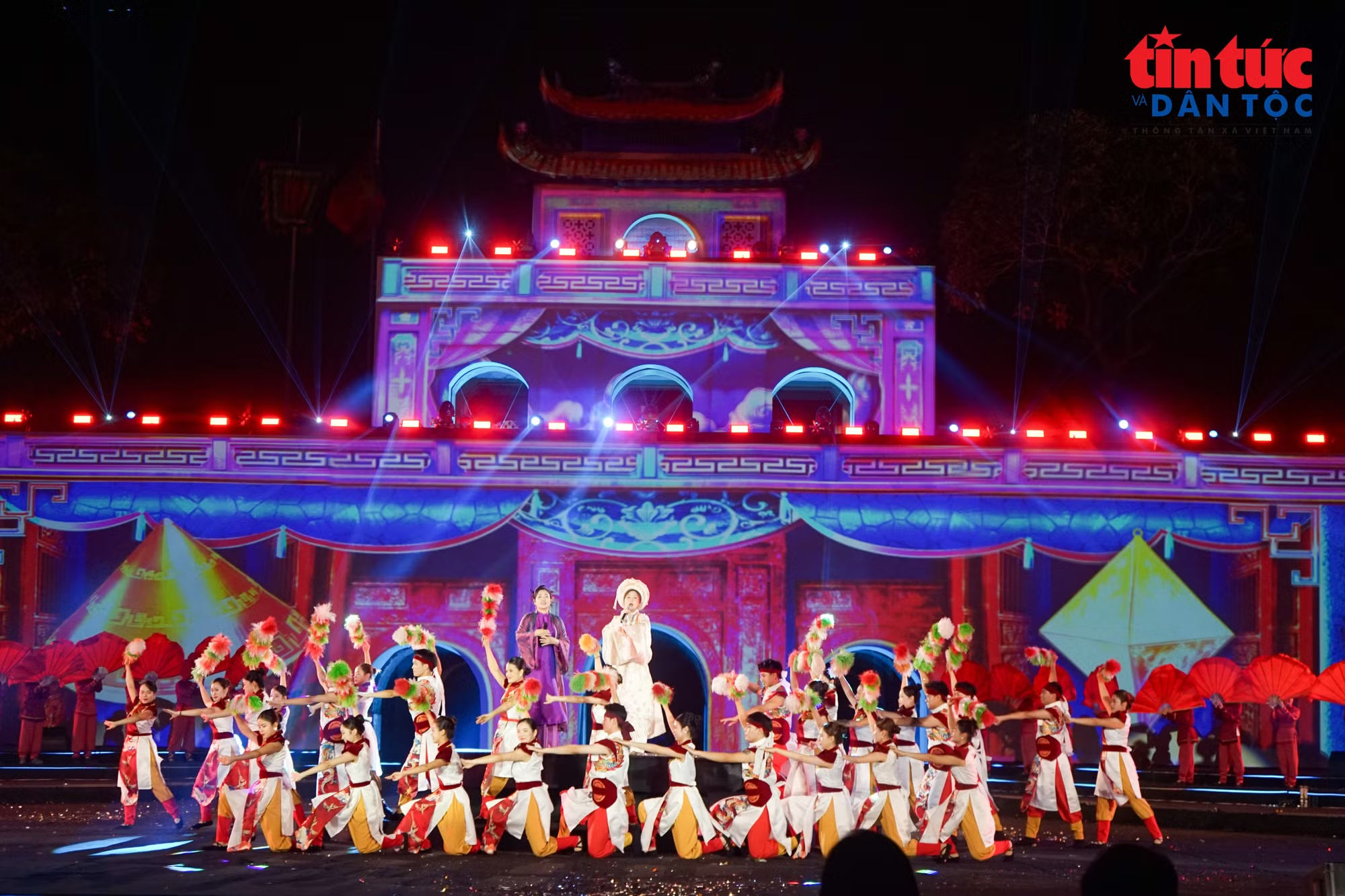
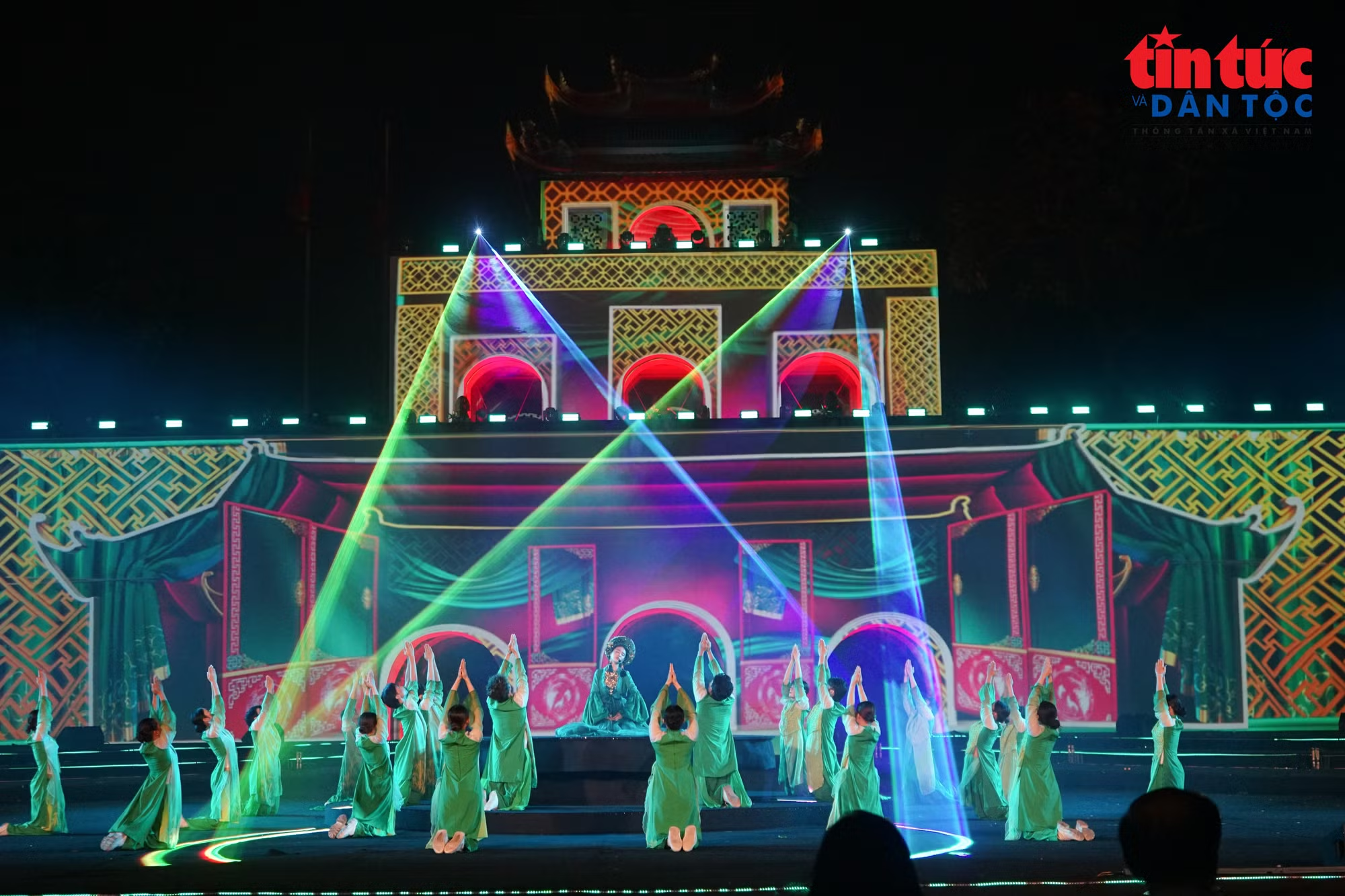
Vietnamese artists, along with their international counterparts, created vibrant performances, spreading a spirit of exchange and friendship.
Representing Vietnam in the program were People's Artists Dieu Huong and Que Tran; Meritorious Artist Vo Minh Lam, along with artists Huong Tram, Anh Tu, singer Kieu Anh, the UPRIZE group, the Star of Childhood Club, the TRE dance troupe, MC Thien Vu, MC Khanh Vy, the Moc Cam National Orchestra, and the Central Puppet Theatre.
The art program consists of two parts, "Colors Meet" and "Greetings from Vietnam," featuring international art troupes and many Vietnamese artists.
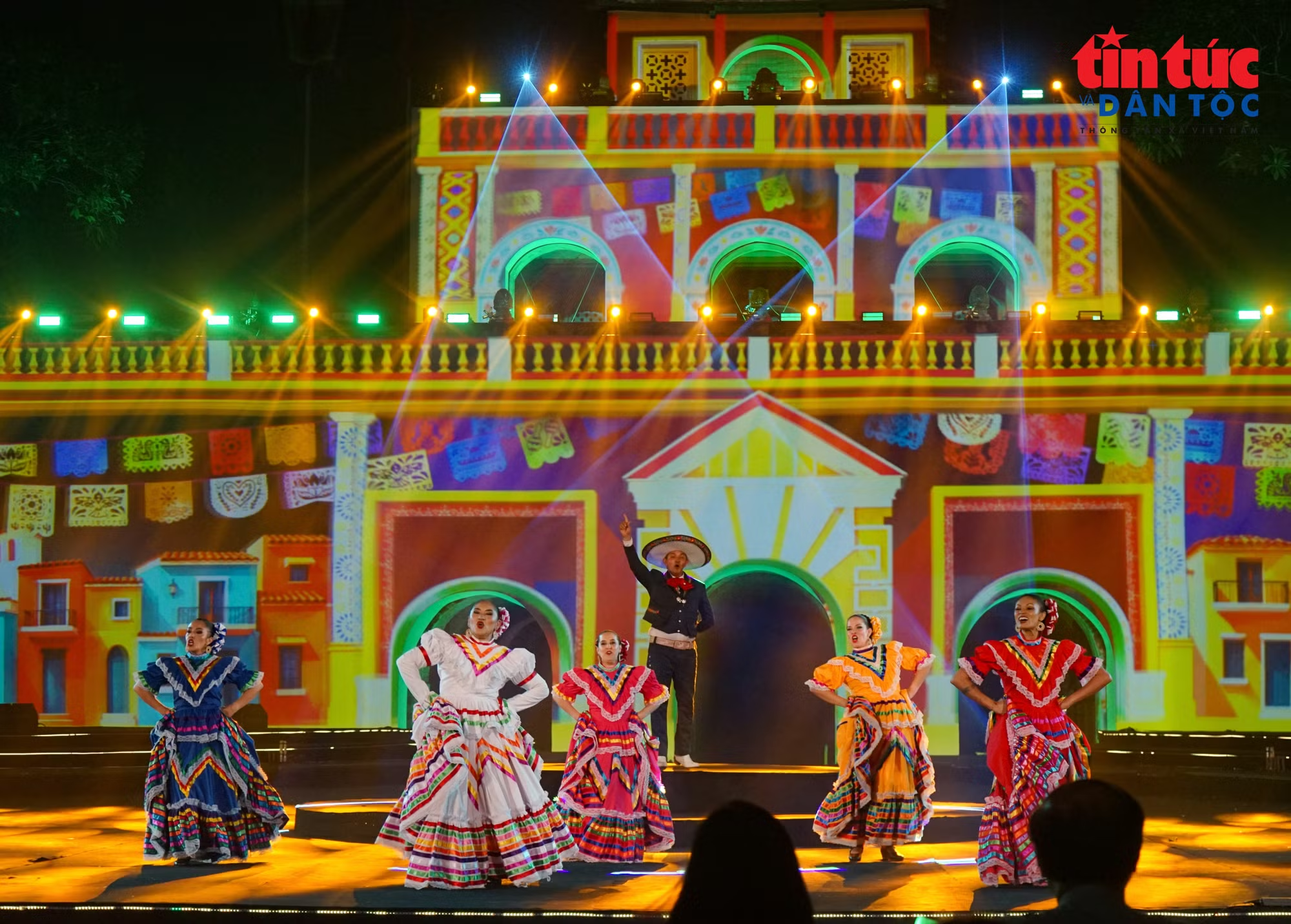
In the segment "Colors Meet," sounds and dances from Iran, the Russian Federation, Mexico, Myanmar, and Belgium, along with the youthful energy of Vietnamese artists, create a vibrant stage where differences in language and tradition meet in a spirit of openness, respect, and sharing.
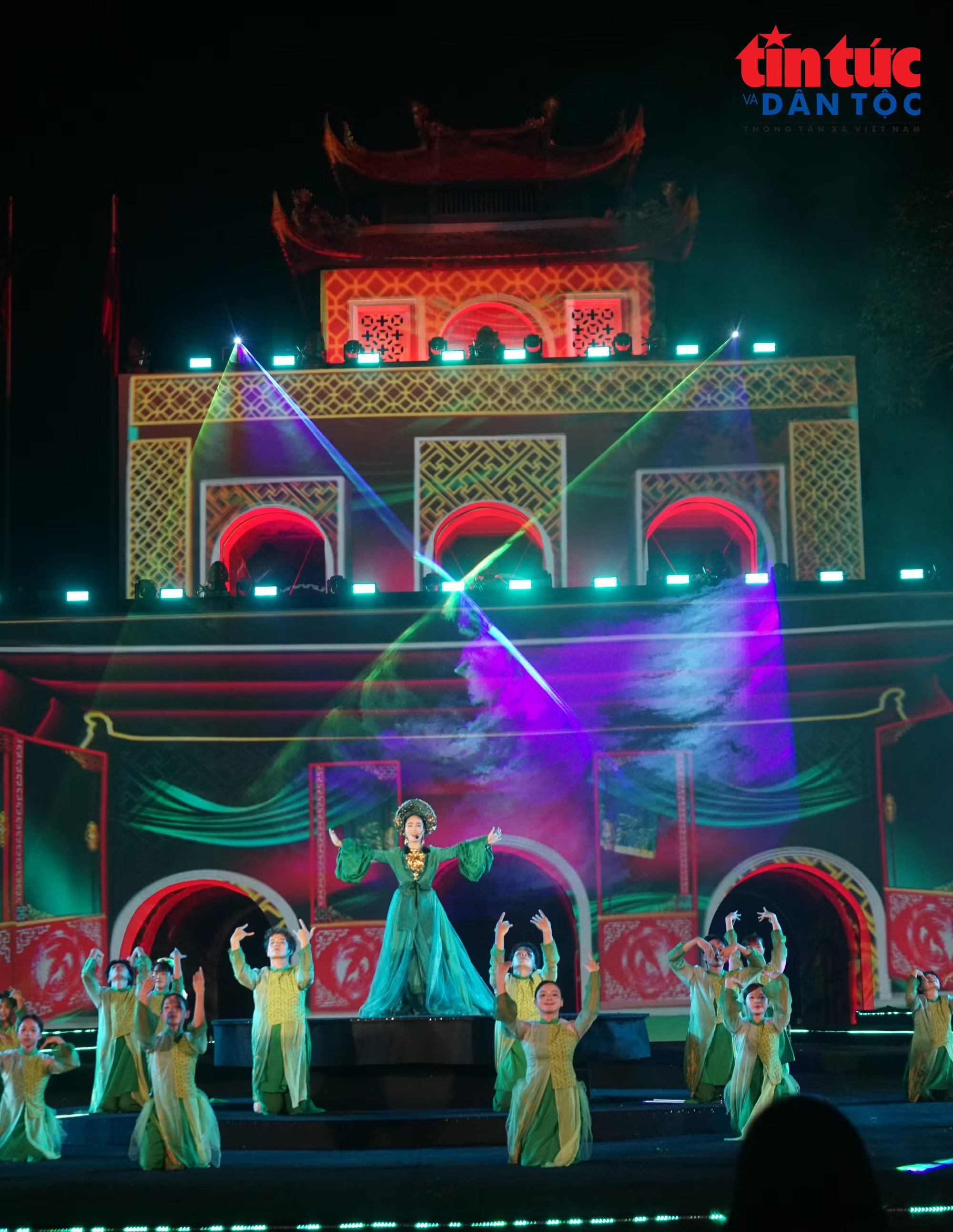
Traditional Vietnamese art forms were combined with contemporary expression in the closing ceremony.
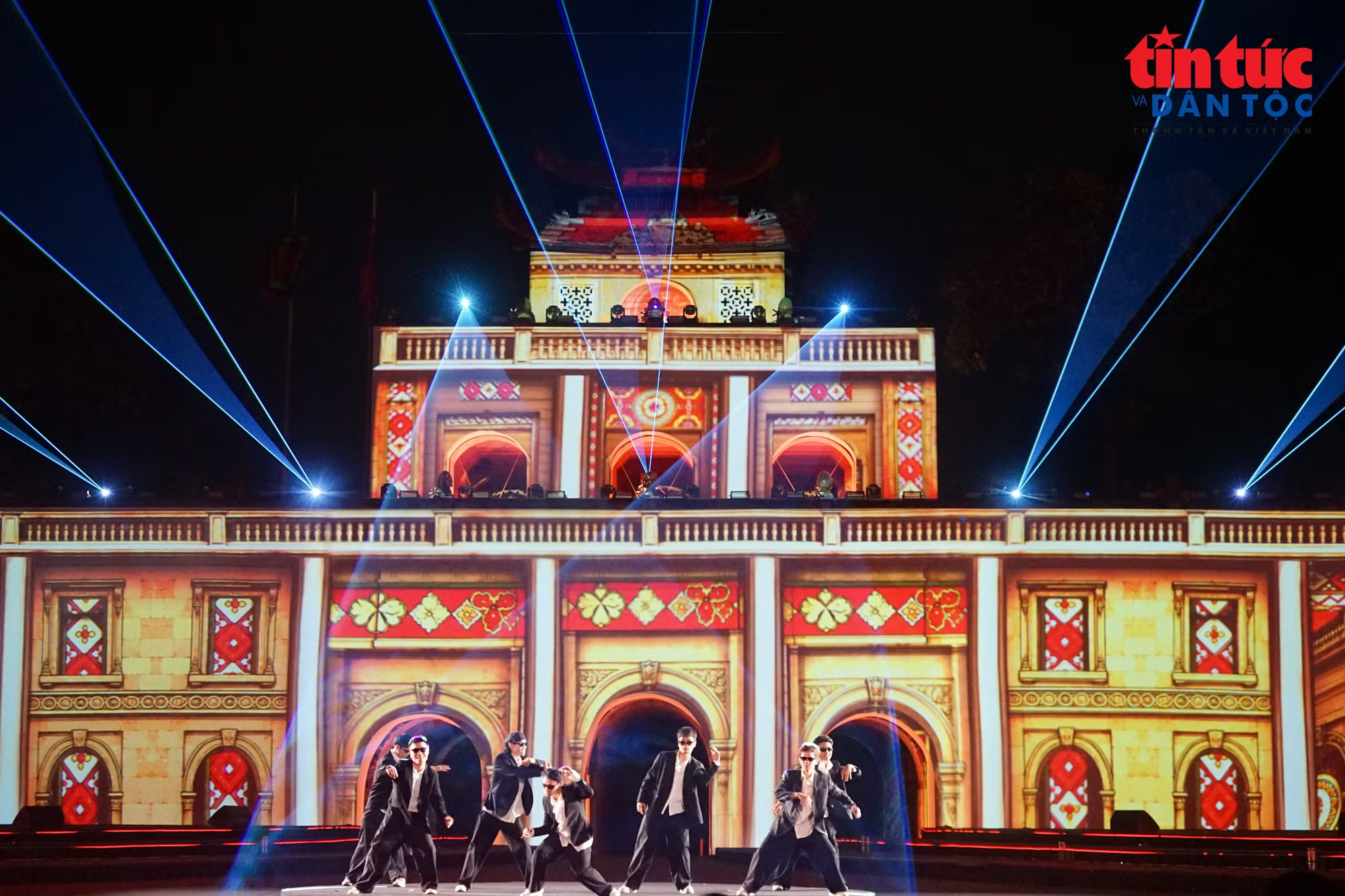
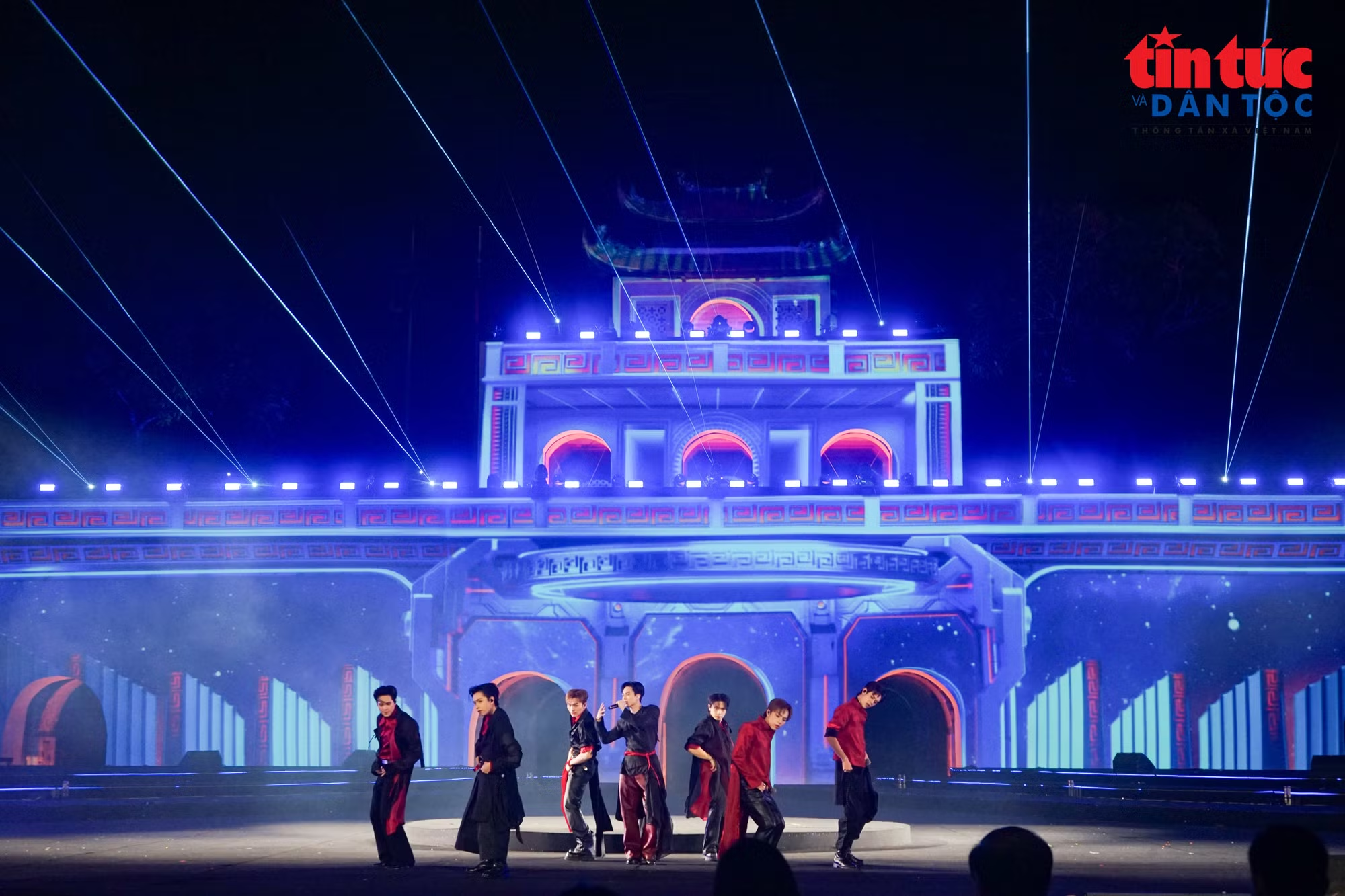
Vietnamese artists performed at the closing ceremony, presenting to international friends an image of a Vietnam rich in identity, dynamic, and creative.
Following this is "Greetings from Vietnam," taking the audience on an artistic journey from its roots, through heritage regions to contemporary Vietnam. Traditional music and art from various regions are presented in a new performance space, conveying to international friends an image of a Vietnam rich in identity, dynamic, creative, open, and connected to the world.
With the convergence of traditional and contemporary art forms, the closing ceremony continued to spread the message of respecting differences, celebrating identity, and strengthening connections between nations through culture and art.
Annual international cultural meeting point in Hanoi
Building on the success of the two previous editions, the Ministry of Culture, Sports and Tourism will continue to coordinate with the Ministry of Foreign Affairs, the city of Hanoi, UNESCO, diplomatic missions, and international partners to gradually develop the World Cultural Festival in Hanoi into a prestigious international cultural exchange and cooperation platform, held annually, with its own unique identity, and producing concrete collaborative results each year.
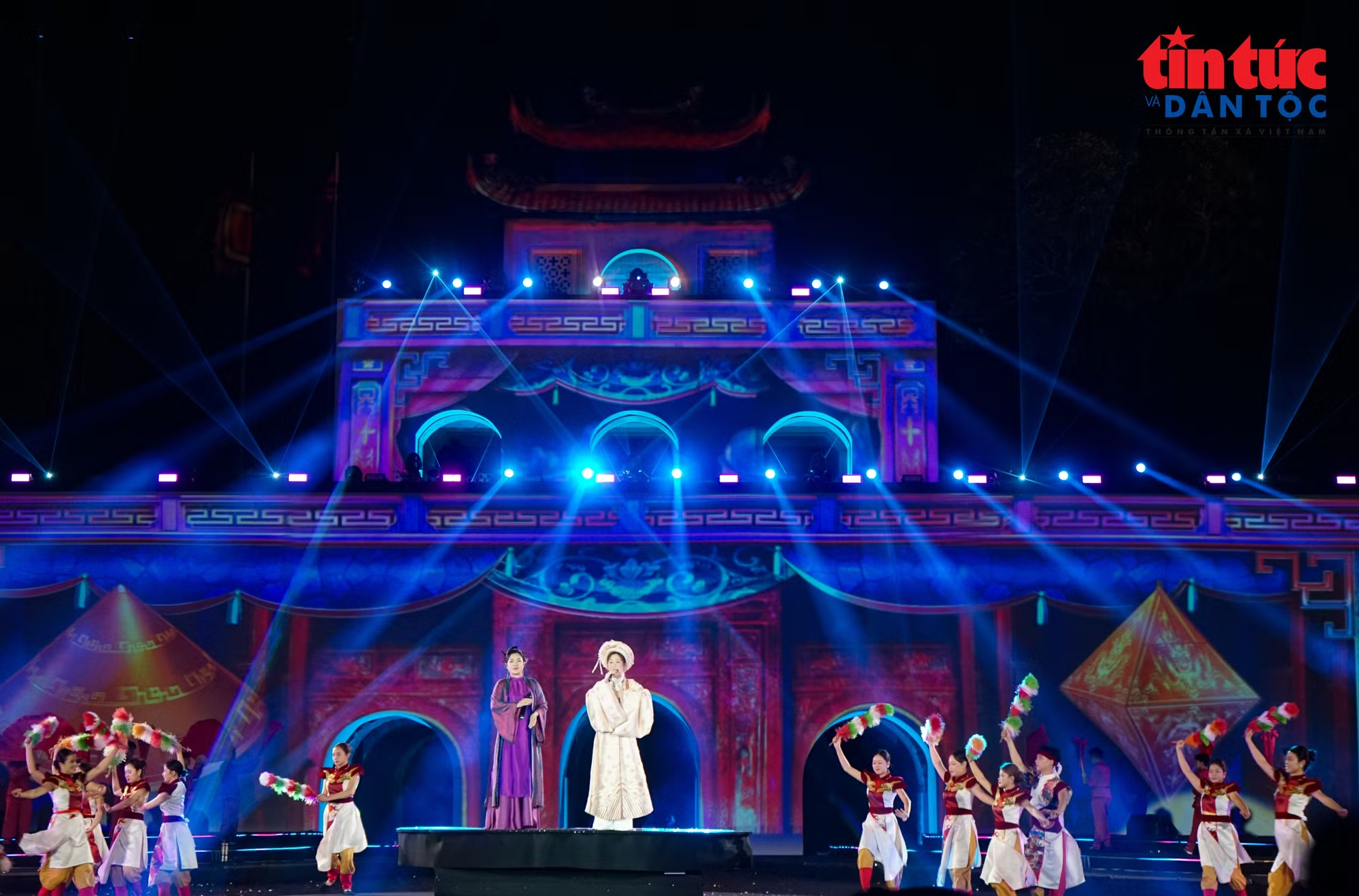
The combination of music, dance, and performing arts creates a space for the intersection of cultures.
Through this, Hanoi aims not only to be the venue for the festival but also to become a regular meeting point for cultures, where initiatives related to heritage, creativity, cultural industries, and sustainable development are connected and disseminated.
Concluding four days of gathering, from Hanoi – City for Peace, the World Cultural Festival sends a message to international friends: “Respect differences to understand each other better; share values to connect with each other more; and cooperate culturally to jointly build a civilized, peaceful, cooperative, and developed world.”
The festival has ended, but the journey of connection continues. The sounds, colors, stories, and friendships forged in Hanoi will continue to spread, carrying the image of a Vietnam rich in identity, friendly, creative, and open to friends around the world.
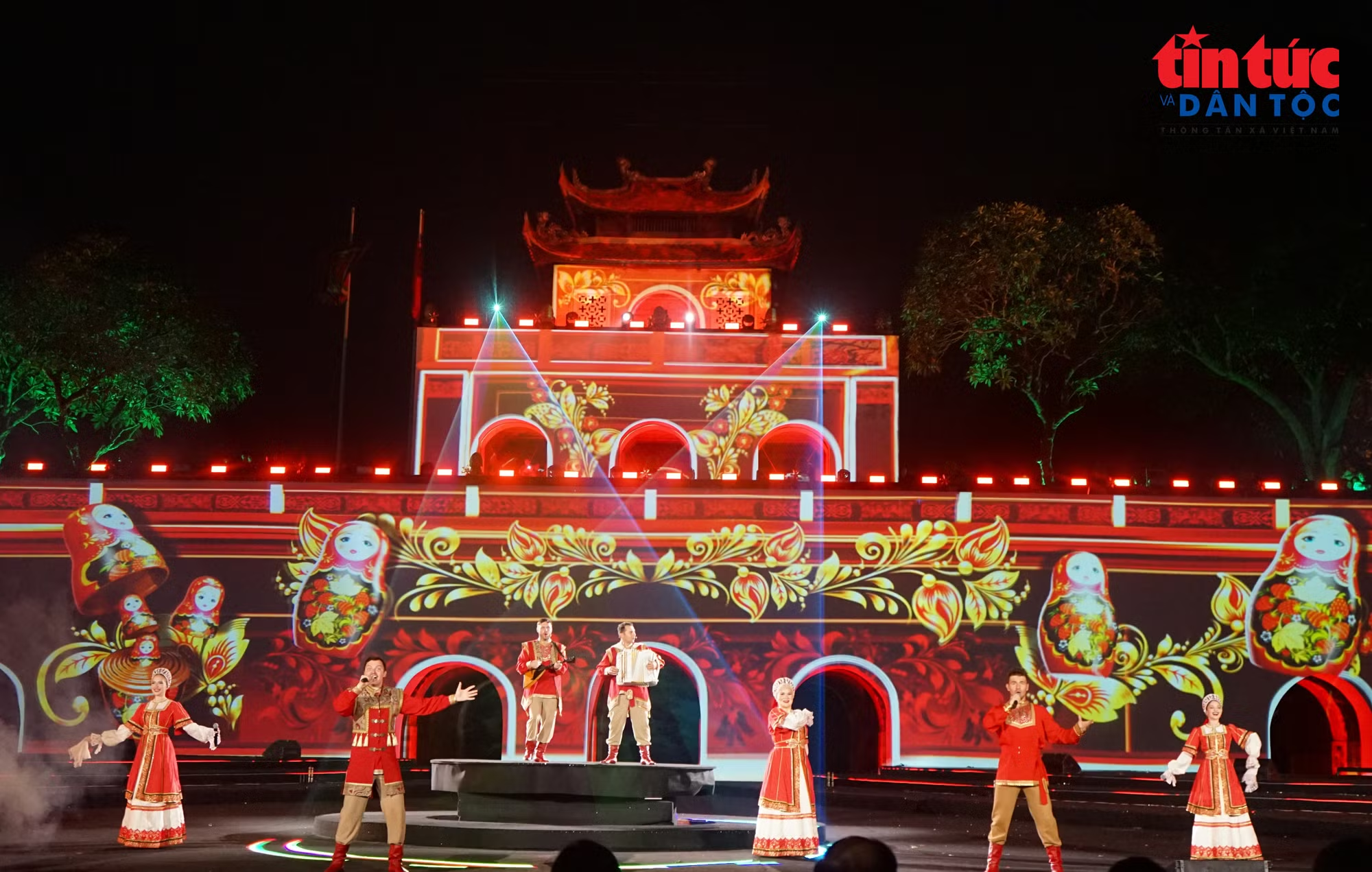
The artistic performances by the Russian delegation contributed to creating a vibrant and diverse cultural exchange atmosphere at Thang Long Imperial Citadel.
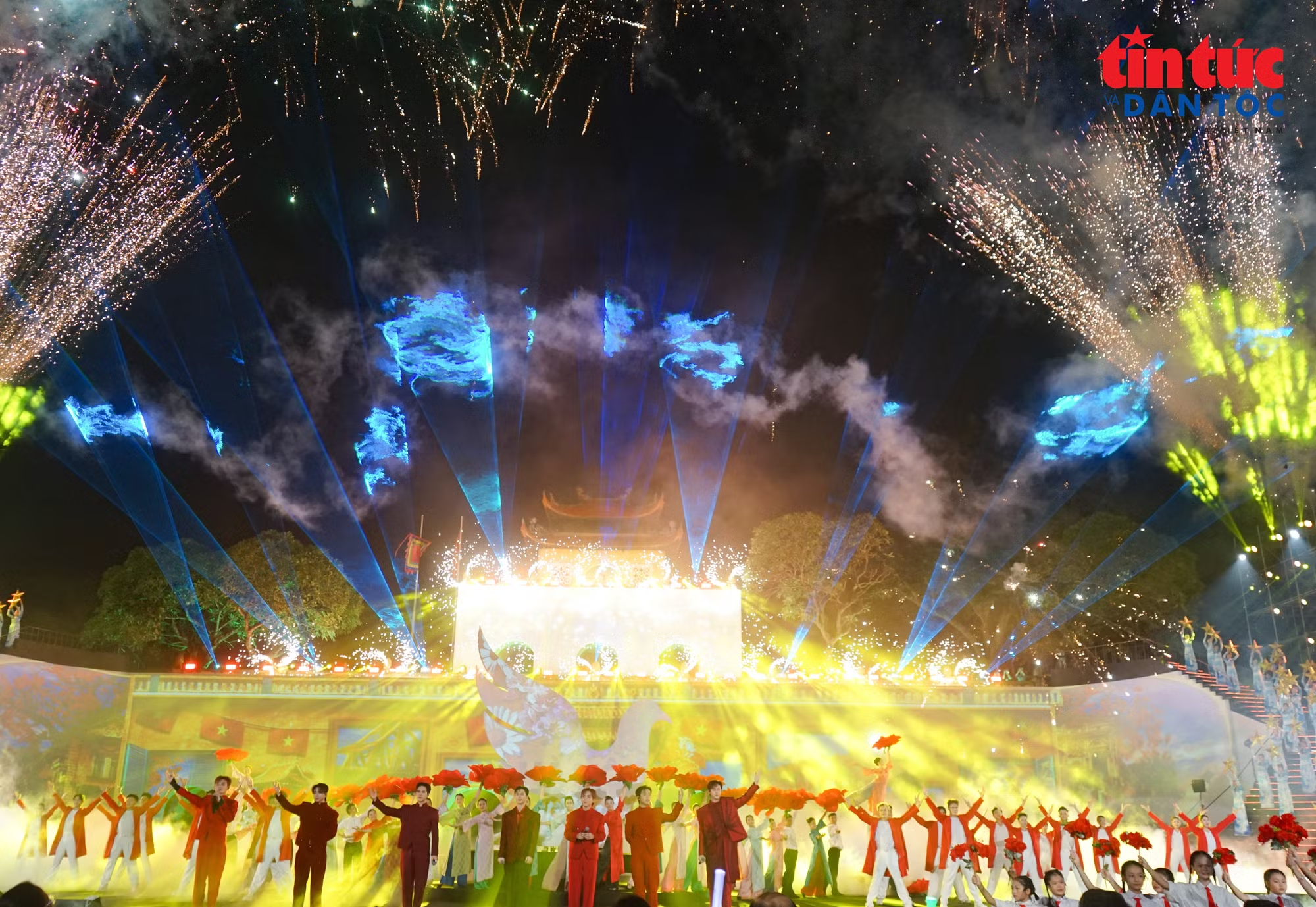
Numerous Vietnamese artists and international art troupes participated in the closing ceremony at Thang Long Imperial Citadel.
Mexican artists perform in the program "Colors Meet," where cultural differences are connected through the language of art.
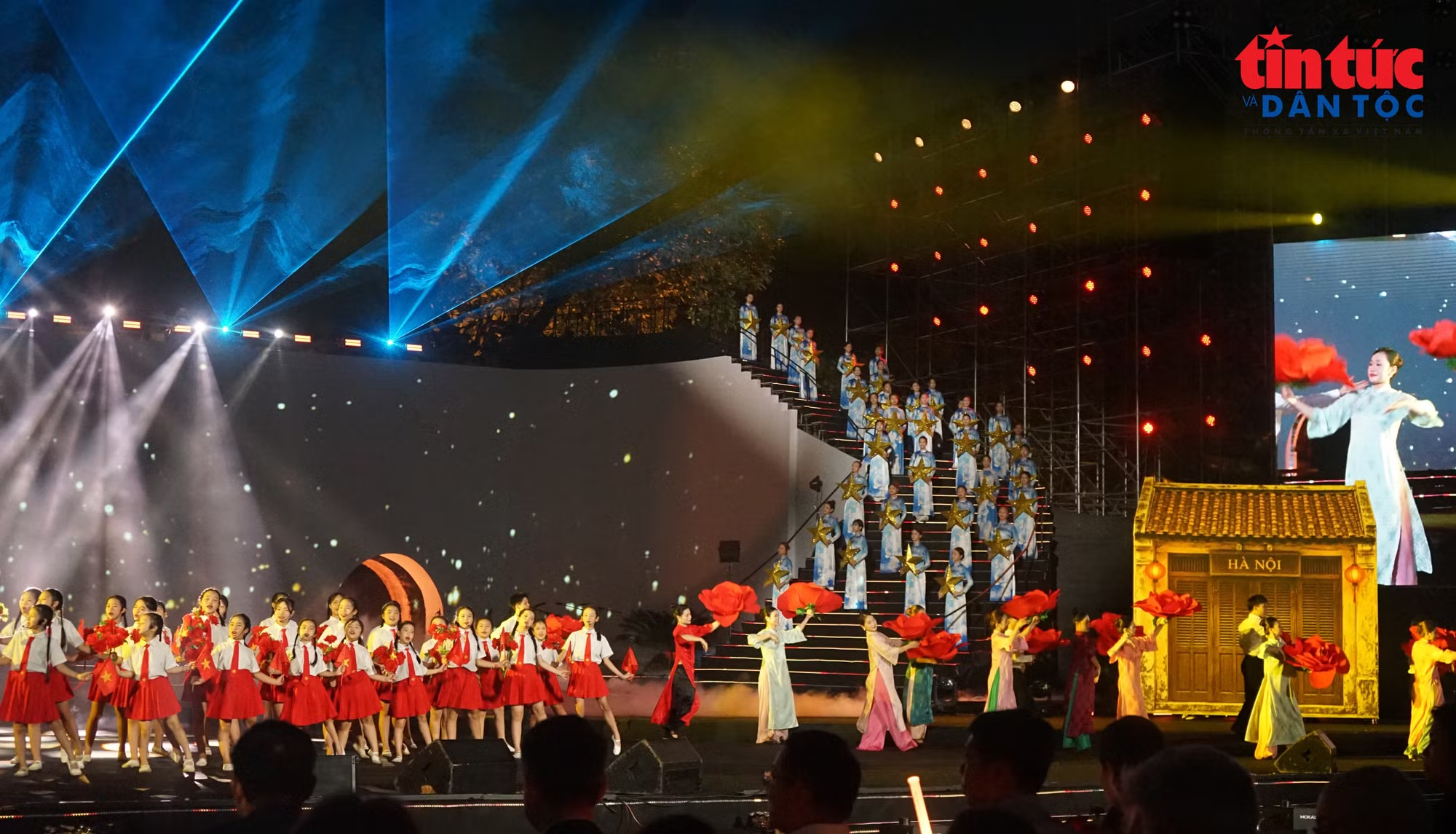
Artists from Myanmar presented a performance rich in cultural identity at the closing ceremony of the 2nd World Cultural Festival in Hanoi.
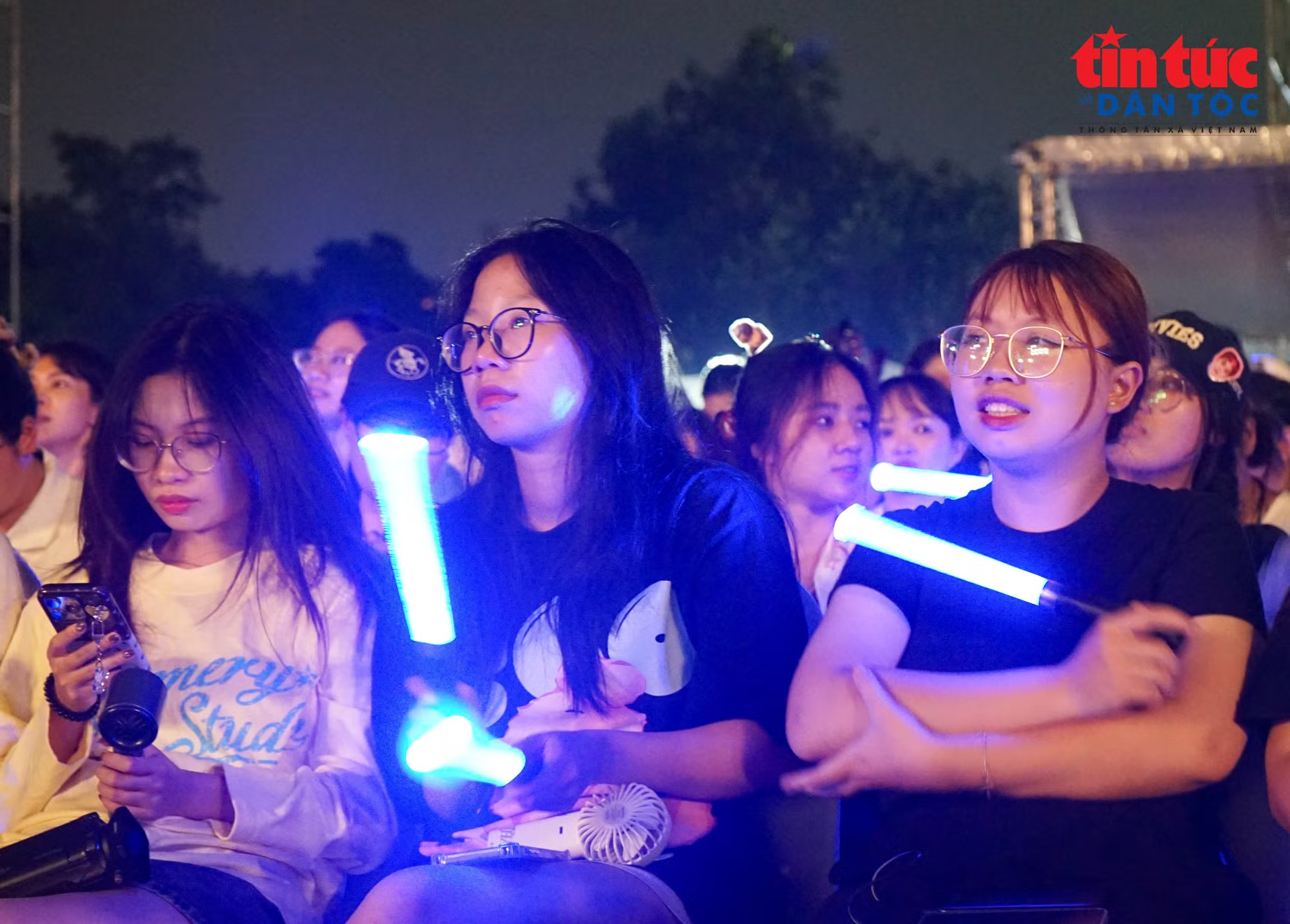
The audience immersed themselves in the music at the Closing Ceremony.
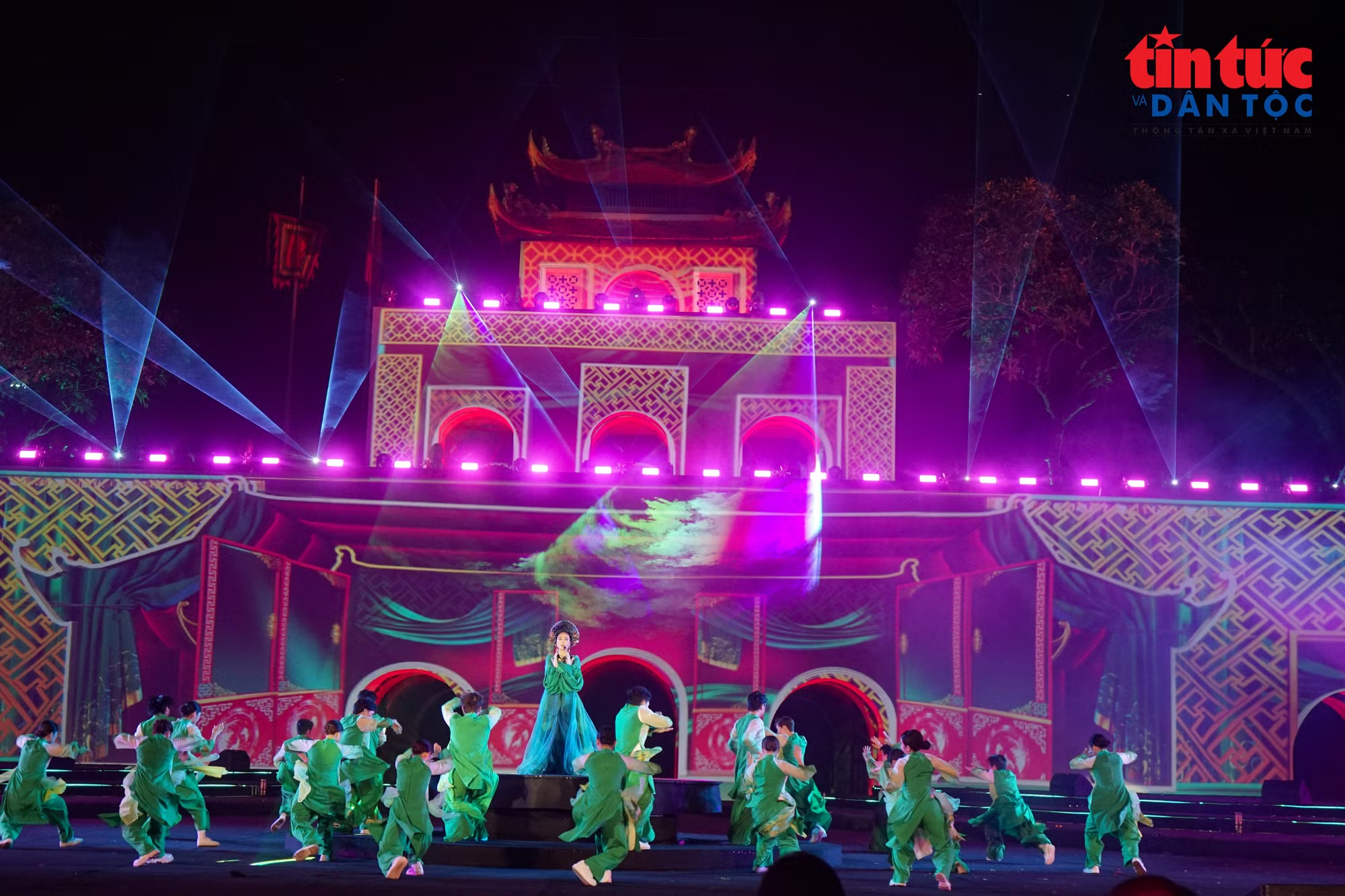
Thang Long Imperial Citadel has become an international cultural hub, where heritage, art, cinema, cuisine, and creativity intertwine.
Hong Phuong/News and Ethnic Groups Newspaper
Source: https://baotintuc.vn/be-mac-le-hoi-van-hoa-the-gioi-tai-ha-noi-lan-thu-2-post1391389.html