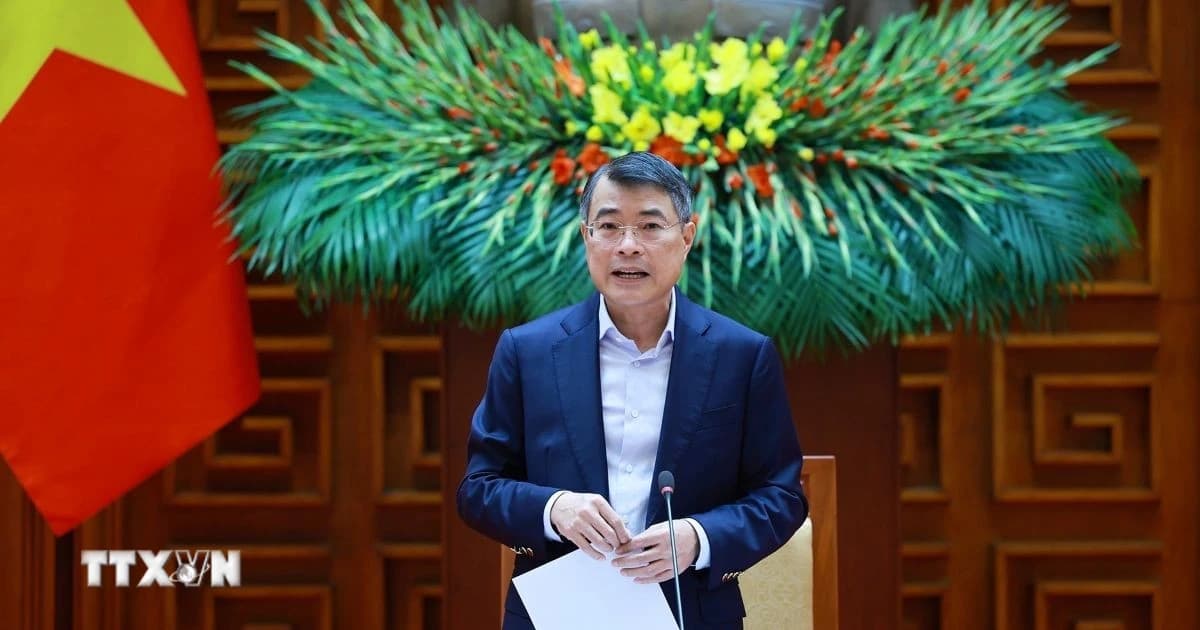
Also attending were: Bui Thi Minh Hoai , Member of the Political Bureau, Secretary of the Central Committee of the Party, Chairwoman of the Central Committee of the Vietnam Fatherland Front; Pham Thi Thanh Tra, Secretary of the Central Committee of the Party, Deputy Prime Minister; and members of the Central Committee of the Party: Nguyen Thi Thanh, Vice Chairwoman of the National Assembly; and Nguyen Hai Ninh, Chief of the Central Party Office.
On behalf of the 428 delegates attending the Congress, Comrade Pham Viet Thu, President of the Vietnam Association of the Blind, reported: During the past term, the Association united and actively organized the implementation, successfully completing and exceeding the set goals and targets. The organization of the Association was strengthened, and its operating methods were gradually reformed; the work of advising, critiquing policies, and protecting the rights of the blind was maintained. Vocational training, job creation, loan programs, and social welfare activities were implemented synchronously, contributing to improving the lives of members. Positive progress was also seen in the fields of communication, education , information technology, culture and sports, international cooperation, and care for women and children…
However, following the reorganization of the administrative apparatus and units, some localities lack staff and have not yet fully established the Association at the commune and branch levels. Many places have not created conditions for developing Party members among the blind. The implementation of loan programs faces difficulties; funding for vocational training in localities is limited, there is a lack of textbooks and easily accessible learning materials, and support for students is insufficient. The lives of some visually impaired women and children remain difficult.

Speaking at the meeting, General Secretary and President To Lam highly appreciated the efforts of the Vietnam Association of the Blind in its development. The Association has effectively played its role in representing, gathering, and uniting blind people nationwide, illuminating their lives with determination, willpower, and a beautiful aspiration. The General Secretary and President shared the difficulties, concerns, and legitimate aspirations of the members; acknowledging that the Association's officials and members have always been at the forefront of patriotic emulation movements, making many innovations in caring for and protecting the legitimate rights and interests of blind people, and assisting members. Overcoming difficulties and rising to the top.
The General Secretary and President stated that digital transformation and artificial intelligence open up many opportunities for blind people to access knowledge, employment, and social integration. However, barriers still exist in very everyday matters. Directive No. 14-CT/TW of the Party Central Committee on strengthening the Party's leadership over the work of people with disabilities in the new situation clearly demonstrates a renewed mindset, placing equality and opportunities for integration and development at the center. The recommendations and proposals regarding operating conditions, Party membership recruitment, policies and regulations for cadres and members at all levels, and the need for financial support, equipment, and specialized learning materials are very relevant. The National Assembly, the Government, the Central Committee of the Vietnam Fatherland Front, central ministries and agencies, and local Party committees and authorities need to urgently consider these proposals and recommendations; Review and improve mechanisms, policies, and laws on social assistance, especially in healthcare, education, social insurance, and vocational training for people with disabilities in general and the blind in particular, ensuring effective implementation.
Highly appreciating the 10 specific targets of the Association's work in the new term, the General Secretary and President suggested continuing to consolidate and build a strong Association; innovating the content and methods of operation in a practical and effective direction, focusing on the grassroots and members; and building the Association into a truly reliable support and a warm common home for blind people nationwide. All levels of the Association should pay attention to building a team of cadres with the qualities, capabilities, and dedication to protect the legitimate rights and interests of members; and focus on identifying and nurturing capable and reputable cadres.

The Association must prioritize caring for the well-being of its members; paying attention to and supporting blind people in difficult circumstances, especially in remote areas, ethnic minority regions, and border areas. It should develop vocational training models, create jobs, provide loan support, and facilitate production and business activities; strengthen connections with businesses and social organizations to expand employment opportunities, helping blind people achieve stable incomes and gradually become economically independent. The Association needs to coordinate with relevant agencies to remove barriers to accessing transportation, public facilities, education, healthcare, culture, information, and communication, ensuring that blind people have convenient, safe, and equal access.
The General Secretary and President emphasized the need to continue to thoroughly understand and effectively implement the Party and State's policies, focusing on Directive No. 14-CT/TW of the Party Central Committee; to promote solidarity, awaken the will and determination to overcome difficulties, and encourage members to proactively study, work, and participate in social activities, cultural, artistic, and sports movements. The Association should expand opportunities for members to learn, access information, and access online public services by promoting advancements in science and technology, applying artificial intelligence, and using appropriate assistive devices; and to maintain and develop Braille education, audiobook libraries, and easily accessible learning materials.
The association must promptly report the difficulties and suggestions of its members to the competent authorities; proactively participate in the development and monitoring of policies for people with disabilities, propose solutions to address shortcomings, eliminate prejudice, discrimination, and unfair treatment; and disseminate exemplary blind individuals, successful models, and effective practices. It should strengthen its external relations, expand international cooperation, and leverage resources, experience, and technical support to serve vocational training, job creation, education, digital transformation, and capacity building for the blind.