Vietnamese culture is enriched by the values of the 54 ethnic groups, reflecting history, labor experience, knowledge, and spiritual life across generations.
Through the process of cultural exchange and transformation, diverse cultural nuances blend together, contributing to the rich and distinctive cultural landscape of Vietnam, unified in diversity. The cultural treasures of various ethnic groups are a unique source of material for artistic creation, the development of cultural products, and the building of the national image.
Cultural resources nurture creativity.
Inheriting traditional elements, many young artists are exploring new ways of expression, bringing national culture into contemporary art. In 2025, singer Hoa Minzy explored the culture of Kinh Bac in her music video "Bac Bling," incorporating Quan Ho folk songs, festivals, Dong Ho paintings, and rural landscapes into modern music . On November 18th, singer Hoang Thuy Linh released the song "Vo Luong Kiep," combining music, painting, and performance art. The work explores the cultural elements of Vietnamese ethnic groups through images of landscapes, costumes, festivals, and community life, expressed through hand-painted artwork, motion graphics, and staged settings.
Building upon traditional elements, many young artists are exploring new ways of expression, incorporating national culture into contemporary art.
Creativity also stems from the cultural life of each community. Ly Mi Cuong, a young man of the Hmong ethnic group born in Tuyen Quang, is one of the young talents who draws on ethnic cultural heritage in his musical compositions. Growing up surrounded by the sounds of the Hmong flute and reed pipe, Ly Mi Cuong brings traditional instruments into new performance spaces. In his music project "Thanh Canh," the Hmong flute blends with beatbox rhythms, creating an intersection between folk music and contemporary sounds. Together with the Hmong Culture group, Ly Mi Cuong undertakes projects to preserve and promote the value of traditional music, combining research, education , and the promotion of Hmong culture to the domestic and international communities.
These innovations demonstrate that traditional materials have entered modern life, reaching young audiences and sparking interest in national heritage. The unique values of each community become a source of inspiration for creativity, development, and storytelling about Vietnamese identity. Sharing his views on promoting heritage values in the new era, Associate Professor, Dr. Bui Hoai Son, Deputy Head of the Central Propaganda Department , stated : Culture exerts its power when positive values are present in life, nurturing the human soul. Heritage must be preserved as a lifeline, simultaneously becoming a resource for creativity and national soft power. The most effective preservation is maintaining the vitality and values of heritage in daily life.
Building a brand for Vietnamese culture.
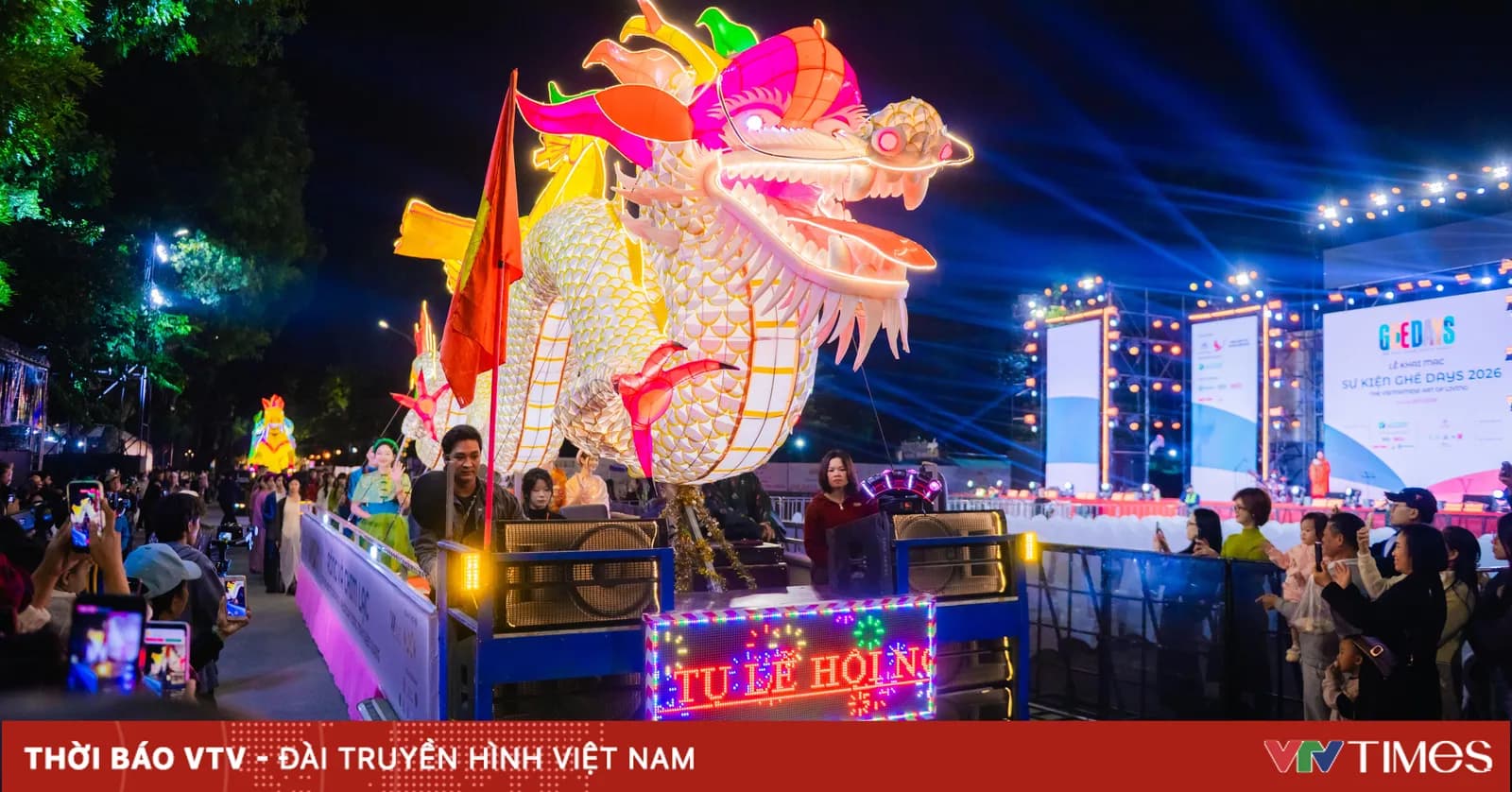
Promoting cultural diversity and community solidarity, the Vietnam Ethnic Groups Cultural and Tourism Village has recently been bustling with activities celebrating Vietnam Culture Day. Taking place in November with the theme "Great Unity - The Roots of the Nation," the series of activities at the Vietnam Ethnic Groups Cultural and Tourism Village showcases a colorful tapestry of culture, depicting the diverse cultural landscape and the spirit of unity among ethnic groups.
Each ethnic group has its own unique beauty and identity, but all are united, cohesive, and work together to build their homeland.
Mr. Dang Chi Quyet, a respected figure, represents the Cham community in Khanh Hoa province.
During the weekend activities, "The Scent of the Great Forest" showcased the distinctive culture of the Central Highlands people; "Dance of Unity" combined the sounds of Muong gongs and Hmong flutes with traditional dances and circle dances, demonstrating the interaction between communities. In particular, the "Colorful Cultures of Ethnic Groups" exchange program, in celebration of Vietnamese Culture Day, created an open atmosphere and attracted a large number of visitors. Artisans and Cham people from Khanh Hoa province and Dao people from Quang Ninh province enthusiastically performed and shared their cultural beauty; visitors learned about customs and traditions, enjoyed folk songs and dances, and experienced traditional crafts.
Through these gatherings, each community introduces its own unique identity and learns about the culture of its fellow ethnic groups. These diverse cultural features coexist in a shared space, strengthening solidarity among ethnic groups and fostering pride in Vietnamese cultural identity. Mr. Dang Chi Quyet, a respected representative of the Cham people in Khanh Hoa province, shared: “Each ethnic group has its own unique beauty and identity, but all are united and work together to build our homeland.”
The cohesion between communities also contributes to the vitality of culture in social life. Each identity preserved and promoted within a community enriches the shared cultural heritage, becoming a resource for the development of tourism and the local economy. Mr. Pham Tuan Long, Director of the Hanoi Department of Culture, Sports and Tourism, emphasized: The city identifies culture as an important resource and driving force for sustainable development, a bridge connecting communities, spreading humanistic values, compassion, and civic responsibility. Preserving the cultures of ethnic groups is preserving our roots; spreading the cultures of ethnic groups is building strength for the country to confidently move into a new era.
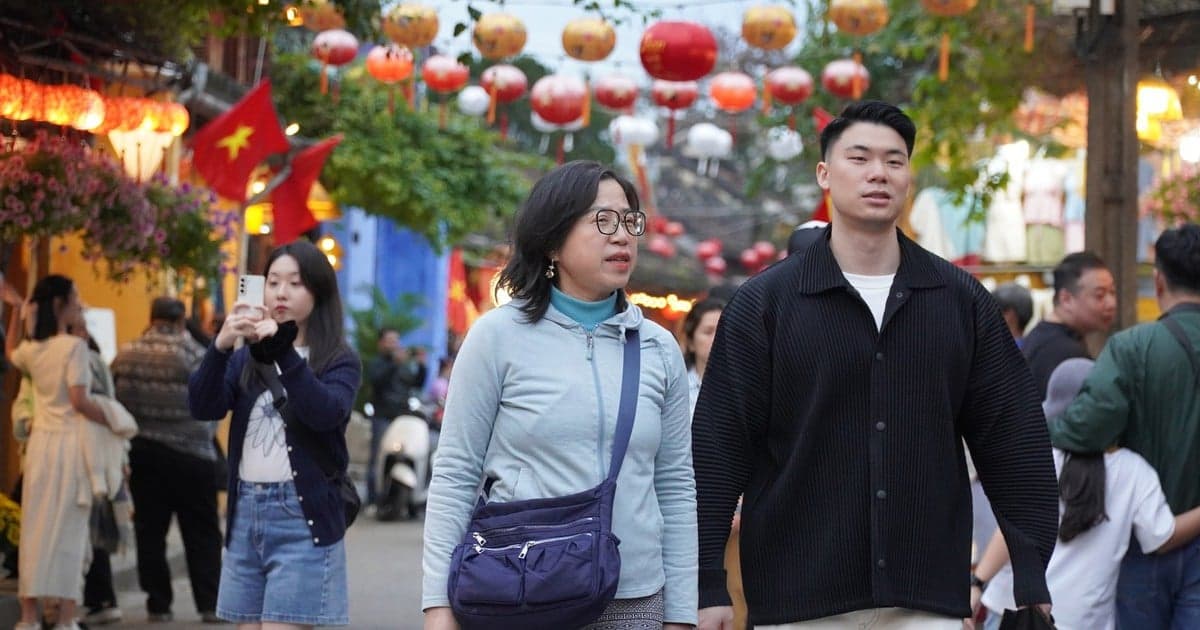
It is evident that each locality leverages its cultural strengths in its own way, yet together they portray the image of a Vietnam rich in identity. The cultural imprint from each region forms the cultural face of the nation. Heritage values and community culture are increasingly integrated into economic and social life, becoming a resource for local development. The close ties between the 54 ethnic groups affirm the strength of unity and the unique cultural identity of Vietnam.