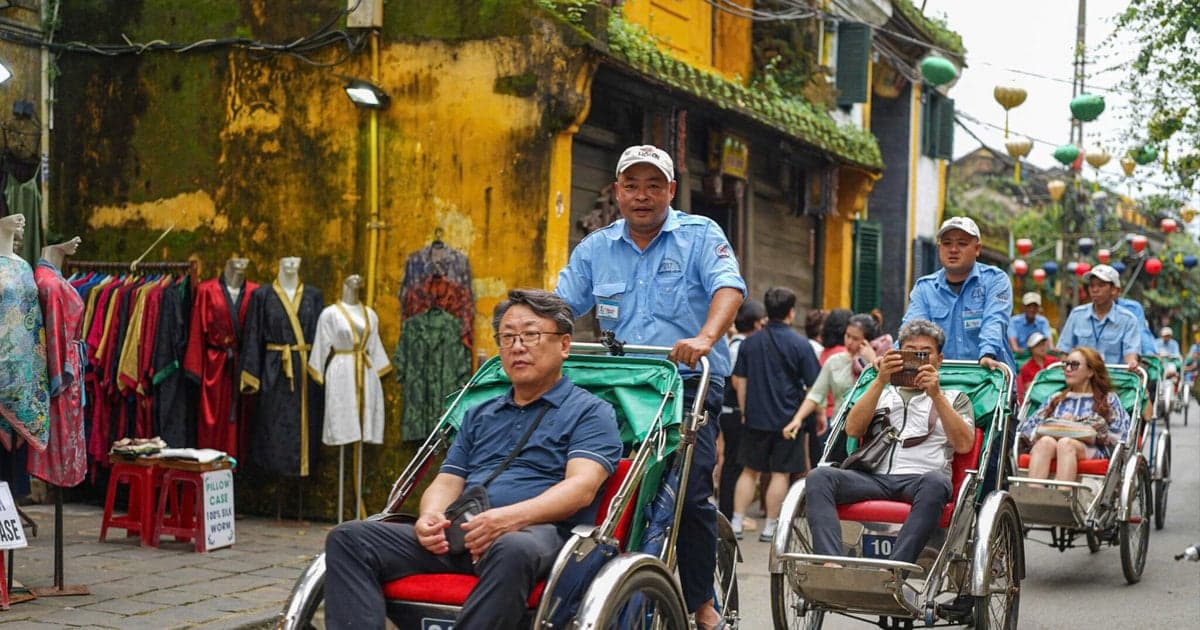
Ho Chi Minh City welcomes international tourists with a variety of tourism products, focusing on combining tourism with health and wellness.
Each group of customers requires a different payment plan.
The inability to search for and book services remotely is the first barrier that needs to be overcome when Vietnam develops medical tourism. Before traveling, international visitors need to know exactly which facilities can meet their medical needs, the estimated total cost, and whether the length of stay matches their personal plans. When this data is vague or difficult to verify, visitors are easily discouraged even after finding a hospital with good expertise.
Dr. Duong Duc Minh, Chairman of the Council for Science and International Cooperation (Institute for Economic and Tourism Development Research), analyzed that the medical tourism market needs to be categorized according to both treatment needs and payment methods. Self-paying clients need to know the total cost to proactively manage their budget. Those using insurance need to know which agency will verify benefits and which items they must pay for themselves. Meanwhile, businesses sending employees for routine health checkups need a group reception process and flexible payment methods based on contracts.

Dr. Duong Duc Minh, Chairman of the Council for Science and International Cooperation at the Institute for Economic and Tourism Development Research.
This differentiation requires service providers to design separate product structures for each customer group. For routine health check-up packages, hospitals can pre-list the procedures, implementation time, and unit price for each item. For cases requiring a doctor's direct examination to determine a treatment plan, hospitals should provide an estimated cost and clearly explain factors that may change the quoted price. On the part of travel agencies, fees for transportation, interpretation, and accommodation must be clearly separated so that customers know which agency directly provides, collects, and is accountable for these services.
According to Dr. Minh, Ho Chi Minh City needs to accelerate its connection with insurance companies and international payment gateways, allowing tourists to confirm their reimbursement claims before booking flights and accommodations. Simultaneously, the city needs to operate an official medical tourism portal with continuously updated data and an online team to answer questions. Through this channel, customers can easily find booking points, verify the credibility of medical facilities, and understand the payment process.

Every year, Ho Chi Minh City welcomes thousands of tourists who come to visit and experience its attractions.
Analyzing the market structure, Dr. Huynh Minh Chin, Deputy Director of the Ho Chi Minh City Department of Health, noted that the city can effectively target three main customer groups: overseas Vietnamese and people living abroad; visitors from Southeast Asia and other Asian countries; and high-spending customers from developed countries. Overseas Vietnamese often combine visiting relatives with health check-ups; while customers from developed countries are particularly interested in dentistry, cosmetic surgery, and reproductive support. Regarding these price-sensitive segments, Dr. Chin emphasized that medical facilities must still prioritize professional standards, human resources, and safety.
From a business perspective in the service industry, Mr. Pham Cong Tuan Ha, Assistant to the Founder of the Doi Dep brand, believes that international tourists always weigh the value of the actual experience against the amount of money spent. For those seeking medical treatment, the expertise of the doctor plays a decisive role; but for those recovering from illness or on vacation, the quality of service throughout their stay is what keeps them coming back. A complete experience will turn the tourists themselves into the most effective advertising channel for the destination.
Service quality must be verified.
Dr. Nguyen Phan Tu Dung, Director of JW Korean Hospital, frankly acknowledged that it is very difficult for foreign patients to assess the actual capabilities of a medical facility based solely on advertising information on social media. He suggested that regulatory agencies publicly disclose the list, addresses, and licensed areas of expertise of each unit so that patients have a basis for comparison. Hospitals, for their part, need to establish strict quality management procedures and closely monitor their implementation, because even a single medical incident at one facility can damage the overall reputation of the entire institution.
Another important measure of quality lies in the ability to adapt when treatment schedules change. Dr. Dung cited the example of many foreign patients who come to Vietnam for surgery and need to stay for 2 to 3 weeks or longer for post-operative monitoring. If the doctor prescribes an extended monitoring period, the patient is forced to change their flight tickets and extend their stay. He suggested that authorities study a mechanism to provide flexible support regarding the length of stay for this group of patients; at the same time, hospitals and travel agencies should communicate early so that patients can plan their time and budget accordingly before departure.

Tourists experience healthcare services and medical tourism in Ho Chi Minh City.
The quality of a medical journey also largely depends on the communication skills of the frontline team. Interpreters must accurately convey medical terminology and prescriptions. Travel agents need to understand the boundaries of their roles to immediately direct specialized questions to the appropriate medical facility. Hotel reception staff must also understand the specific needs of patients and have a firm grasp of emergency contact points. Training should focus on handling sensitive situations such as explaining unexpected fees, adjusting appointments, or assisting with follow-up procedures.
To ensure comprehensive standardization, Dr. Huynh Minh Chin, a specialist in internal medicine, stated that the Department of Health will closely coordinate with the Department of Tourism and other relevant units to develop a set of criteria, coordination procedures, and clearly define the responsibilities of each party. The city's health sector is also reviewing hospitals with the potential to approach international standards to support quality upgrades and gradually standardize service packages to match actual capabilities. Service effectiveness will be monitored through response time, the difference between initial quotes and actual costs, and the way customer complaints are handled.
From a business perspective, Mr. Ha believes that environmental, social, and governance criteria should be demonstrated through verifiable actions by guests. Accommodation establishments need to consider cultural differences and customs. Hospitals and travel agencies need to agree on how to receive feedback and the responsibilities for handling it. When a fee changes, guests need a clear explanation of the reason and know who can resolve the issue. These details help guests assess the quality of the service they paid for and feel confident recommending the destination to others.
Final article: Creating momentum to expand internationally
Hoang Tuyet/News and Ethnic Groups Newspaper